Rural Healthcare Access Doctor Challenges: Voices From the Front Lines in 2026
Introduction: A Crisis Playing Out in Real Time
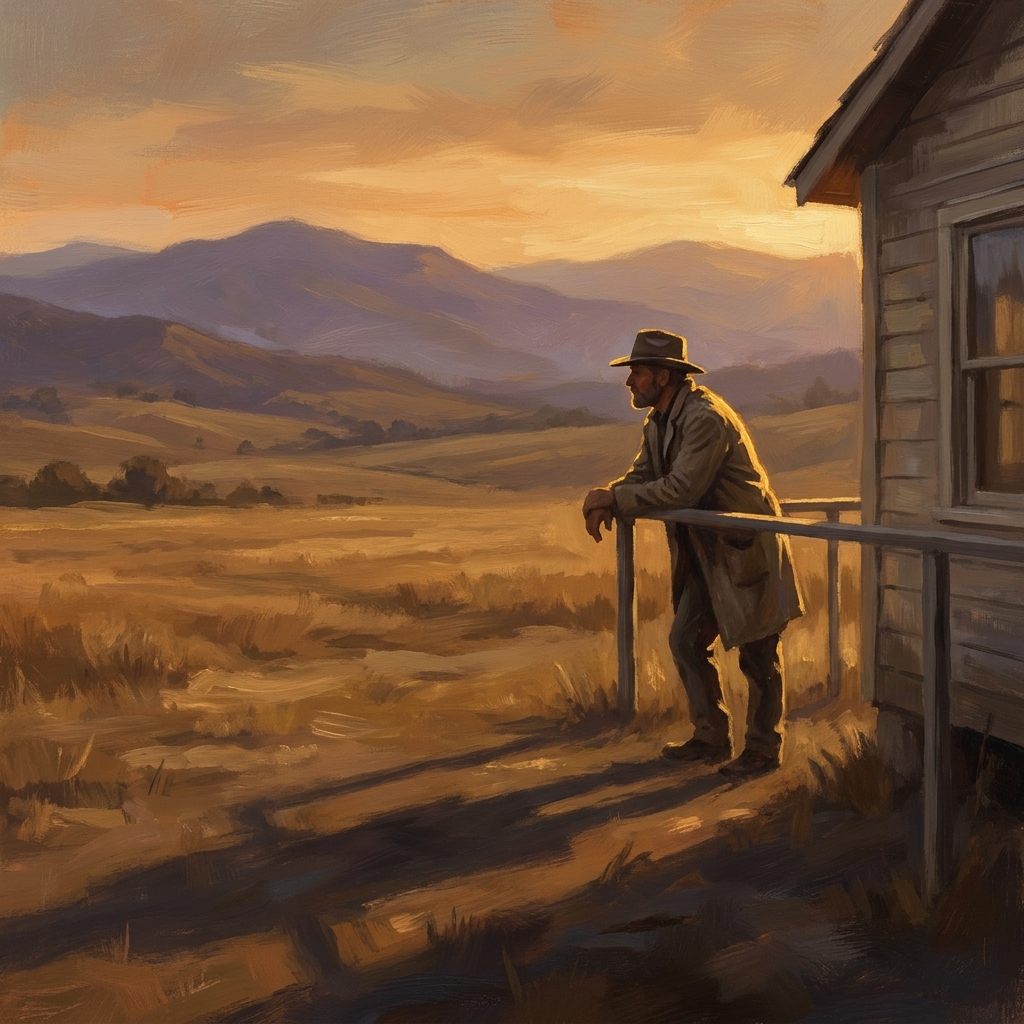
Dr. Maria Chen begins her shift at 5:30 a.m., knowing she will not leave the clinic until well past 7 p.m. As the only physician within 60 miles of this small Montana community, she carries the weight of 2,400 patients on her shoulders. Today, like most days, she will deliver a baby, manage three diabetic emergencies, counsel a teenager struggling with depression, and somehow find time to complete the mountain of paperwork that threatens to bury her.
Her story is not unique. It is the daily reality for thousands of rural physicians across America.
More than 40 million rural Americans live in areas with too few primary care providers, according to the Commonwealth Fund’s November 2025 report. This statistic represents real communities, real families, and real physicians struggling to bridge an impossible gap between need and capacity.
This article centers the voices of rural physicians living this crisis daily. Rather than policy abstractions, readers will hear from the doctors themselves about two core phenomena reshaping rural healthcare: the burnout-to-exodus pipeline and the reverse migration paradox.
TopDoctor Magazine has committed to giving rural physicians a rare public platform to speak candidly about the emotional, professional, and infrastructural realities that rarely make headlines. The timing could not be more critical. The year 2026 brings both a historic federal investment through the $50 billion Rural Health Transformation Program and deepening structural challenges. This is a pivotal moment to listen to those on the front lines.
The Numbers Behind the Narrative: How Severe Is the Rural Doctor Shortage?
The statistics paint a stark picture. Ninety-two percent of rural counties are designated as primary care professional shortage areas, compared to 83 percent of nonrural counties. Nearly half of rural counties had five or fewer primary care doctors in 2023, and roughly 200 rural counties had none at all.
The disparity in physician density is staggering. Rural areas average just 30 physicians or specialists per 100,000 people, compared to 263 in urban areas, representing nearly a nine-to-one gap. Nationally, there is one physician per 2,881 rural residents; in Southern states, that ratio worsens to 3,411 patients per physician.
The trend lines are moving in the wrong direction. The number of rural family physicians declined 11 percent from 2017 to 2023, dropping from 11,847 to 10,544. The Northeast lost the most at 15.3 percent. More than half of rural doctors are aged 50 or older, projecting a 23 percent decline in rural physicians by 2030 due to retirements.
The Association of American Medical Colleges estimates the United States could face a shortage of up to 86,000 physicians by 2036. Rural communities will absorb the sharpest impact. For at least the next 12 years, rural areas will have only about two-thirds of the primary care physicians they need.
These are not abstract data points. They represent the backdrop against which real physicians make daily life-and-death decisions.
The Burnout-to-Exodus Pipeline: When One Doctor Leaves, the Whole Community Pays
The burnout-to-exodus pipeline describes a self-reinforcing cycle unique to rural healthcare settings. Physicians are 82.3 percent more likely to experience burnout than workers in other occupations. In rural settings, this risk compounds through isolation and resource scarcity.
The cascade operates with devastating efficiency. When one physician departs, the patient load immediately increases for remaining colleagues, accelerating their own burnout and departure. Fewer remaining doctors makes the community less attractive to recruits. Lower salaries, limited spousal career opportunities, social isolation, and overwhelming scope-of-practice demands all compound the problem.
In Shasta County, California, the physician shortage shifted from temporary to chronic, prompting a public health crisis declaration. As one local health official noted, “The physician shortages that used to be temporary are now chronic.”
The pipeline itself is geographically biased against rural replenishment. Ninety-nine percent of U.S. medical school residency slots are located in urban areas. This is not merely a healthcare crisis; it threatens economic stability for nearly 60 million rural Americans, as employers cannot attract workers without local healthcare infrastructure.
Voices From the Front Lines: What Rural Physicians Are Actually Experiencing
Behind the statistics are physicians navigating impossible circumstances with remarkable dedication. Their perspectives reveal emotional and professional realities that policy papers never capture.
The Weight of Being the Last Doctor in Town
Being the sole or one of very few physicians in a community means carrying an extraordinary burden. Rural physicians must handle emergencies, obstetrics, mental health, chronic disease, and pediatrics, often simultaneously and without specialist backup.
The psychological toll is immense. Physicians describe the guilt of considering leaving, the fear of what happens to patients if they do, and the grief when colleagues depart. Yet many choose to stay. What keeps them rooted is often the deep relationships they build with patients across generations, the sense of purpose that comes from being essential, and the community bonds that form in close-knit settings.
Why Physicians Leave: And Why Recruitment Is Nearly Impossible
Rural communities face specific barriers in attracting and retaining physicians. Lower compensation is only part of the equation. Limited professional development, career constraints for spouses and partners, and geographic isolation all play significant roles.
International medical graduates via J-1 visa waivers have historically offset rural shortages, but current immigration policy uncertainty adds new workforce risk. The “grow your own” pipeline through rural residency tracks and community-based medical education programs exists but remains severely underfunded and underscaled.
Loan forgiveness programs through the National Health Service Corps serve as partial incentives. However, physicians consistently report these are insufficient on their own to overcome structural barriers. When asked what would actually make them consider rural practice or stay longer, physicians cite meaningful workload sharing, administrative burden reduction, and genuine community investment in their wellbeing. The challenge of bridging the gap between medicine and business for better patient outcomes is one that rural physicians navigate daily with far fewer resources than their urban counterparts.
The Reverse Migration Paradox: More Residents, Fewer Doctors
A striking contradiction defines rural America in 2026. Young adults ages 25 to 44 are moving to rural areas at the highest rate in nearly a century, precisely as the physician workforce shrinks. University of Rochester Medicine research from December 2025 documented this simultaneous trend.
This creates a dangerous demand-supply mismatch. Growing rural populations with expanding healthcare needs are served by a contracting physician workforce. Remote work flexibility, lower cost of living, and quality of life are driving young adult rural migration, while healthcare infrastructure has not kept pace.
The implications for community health outcomes are severe. New rural residents often arrive without established care relationships and find appointment access severely limited. Only 4 in 10 working-age rural adults can get same-day or next-day primary care appointments, and about 1 in 4 rural adults went to the emergency room for something their usual doctor could have handled.
Maternity Care Deserts: The Crisis Within the Crisis
The collapse of rural obstetric care represents one of the most acute and underreported dimensions of this crisis. Since the end of 2020, 133 rural hospitals have stopped delivering babies or announced plans to stop before the end of 2026. This represents a 12 percent reduction in rural labor and delivery units, averaging more than two closures per month.
Only 41 percent of U.S. rural hospitals still offer labor and delivery services. In 12 states, less than one-third do. Over 35 percent of U.S. counties are designated as maternity care deserts, home to 2.3 million reproductive-aged women and more than 150,000 annual births.
Rural OB-GYN physicians carry the emotional and professional toll of being the last provider in a community. They know that their departure ends maternity care for an entire region. Rural women face higher rates of maternal mortality and pregnancy complications directly linked to these care access gaps.
Mental Health Deserts: The Most Invisible Shortage
Rural mental health shortages represent the most severe dimension of the crisis, yet they remain the least visible in mainstream coverage. All 16 rural New York counties studied by the NY State Comptroller in August 2025 were designated mental health Health Professional Shortage Areas.
The shortage connects to measurable community outcomes: higher rates of suicide, chronic disease, and poor maternal health in rural areas. One in 4 rural adults did not go to the doctor when needed because of cost, compounding untreated mental health conditions.
The compounding effect is particularly troubling. Physician burnout itself is a mental health crisis, and the absence of mental health resources for rural physicians accelerates their own deterioration. Rural doctors describe being asked to address mental health needs far beyond their training and capacity, without referral options available. Building mental fitness is a challenge for everyone, but for rural physicians working in isolation without peer support, it becomes a matter of professional survival.
Telehealth: Promise, Limitations, and the Infrastructure Gap
Telehealth is widely cited as a solution. Rural physicians say it is not the silver bullet policymakers often present it as. Only 19 percent of rural residents used telehealth for primary care in the past year, versus 29 percent nationally.
Twenty-eight percent of rural residents lack access to high-speed broadband internet, directly limiting telehealth adoption for video consultations and remote patient monitoring. Additional barriers include digital literacy gaps, reimbursement parity issues, and the limitations of telehealth for hands-on diagnostic and procedural care.
Governors across the U.S. in their 2026 State of the State addresses identified virtual care as a key priority while also flagging regulatory barriers as structural obstacles. Promising technologies funded through the Rural Health Transformation Program include drones for medication delivery, remote pharmacy dispensing, portable diagnostics, and telerobotic ultrasound devices. Physicians express cautious optimism about their real-world feasibility.
Telehealth complements but cannot replace the need for physical physician presence in rural communities.
The $50 Billion Question: Will the Rural Health Transformation Program Make a Difference?
The Rural Health Transformation Program, enacted under the One Big Beautiful Bill Act (Public Law 119-21), represents the largest rural health investment in American history. CMS announced in December 2025 that all 50 states will receive RHTP awards, averaging $200 million per state in 2026 and totaling $10 billion per year from 2026 through 2030.
States can use up to 10 percent of RHTP funding for technology catalyst funds, including drones, remote pharmacy dispensing, portable diagnostics, and telerobotic ultrasound devices.
Rural physicians express cautious optimism tempered by awareness of how slowly federal funding translates to community-level impact. Structural barriers that funding alone cannot fix include the residency slot geographic imbalance, slow licensing processes, and outdated Certificate of Need laws flagged by governors.
The critical question rural physicians are asking is whether this investment will address root causes or provide only temporary relief before the next wave of retirements.
What Rural Physicians Say Would Actually Help
Physician voices point to actionable solutions that would genuinely move the needle. Expanding rural residency programs is essential, as physicians who train in rural settings are significantly more likely to practice there. Reforming licensing reciprocity would allow physicians to practice across state lines more easily in shortage areas.
Increasing and expanding loan forgiveness programs with longer commitment windows and broader specialty coverage would help. Investing in spousal and family support infrastructure, including career opportunities, school quality, and community amenities, would make rural life viable for physician families.
Addressing physician mental health directly through rural-specific peer support networks and workload-sharing models is critical. Expanding scope-of-practice for nurse practitioners and physician assistants as a complementary workforce strategy offers promise. Improving broadband infrastructure is a prerequisite for meaningful telehealth expansion. Advocating for immigration policy stability would protect the J-1 visa waiver pipeline for international medical graduates serving rural communities.
Conclusion: The Front Lines Need More Than Attention. They Need Action.
The rural physicians speaking out through platforms like TopDoctor Magazine are not just sharing frustrations. They are issuing a call to action.
A historic $50 billion federal investment arrives at the same moment the physician workforce is aging out, burning out, and departing. This creates a narrow window for intervention. The reverse migration paradox adds moral and practical urgency: communities welcoming new residents deserve healthcare infrastructure to match.
No single policy, technology, or funding stream solves a crisis decades in the making. However, sustained, physician-informed strategy can begin to reverse it. The doctors who have chosen to stay in rural America are among the most committed in the profession. They deserve a system built to support, not exhaust, them.
TopDoctor Magazine remains committed to amplifying rural physician voices as the RHTP rollout unfolds through 2030.
Are You a Rural Healthcare Provider With a Story to Tell?
TopDoctor Magazine invites rural physicians, nurses, and healthcare professionals to share their experiences. The platform offers a space where healthcare professionals can speak candidly about the realities of rural practice, reaching a national audience of patients, policymakers, and peers.
The TopDoctor Magazine Awards Program recognizes rural healthcare heroes who are making a meaningful difference under extraordinary conditions. Readers, patients, advocates, and community members can nominate rural physicians who deserve recognition for their dedication.
Visit topdoctormagazine.com to submit a nomination, share a story, or subscribe to the biweekly newsletter for ongoing coverage of rural healthcare access issues. Every rural physician’s voice shared publicly helps build the case for the systemic change their communities urgently need.