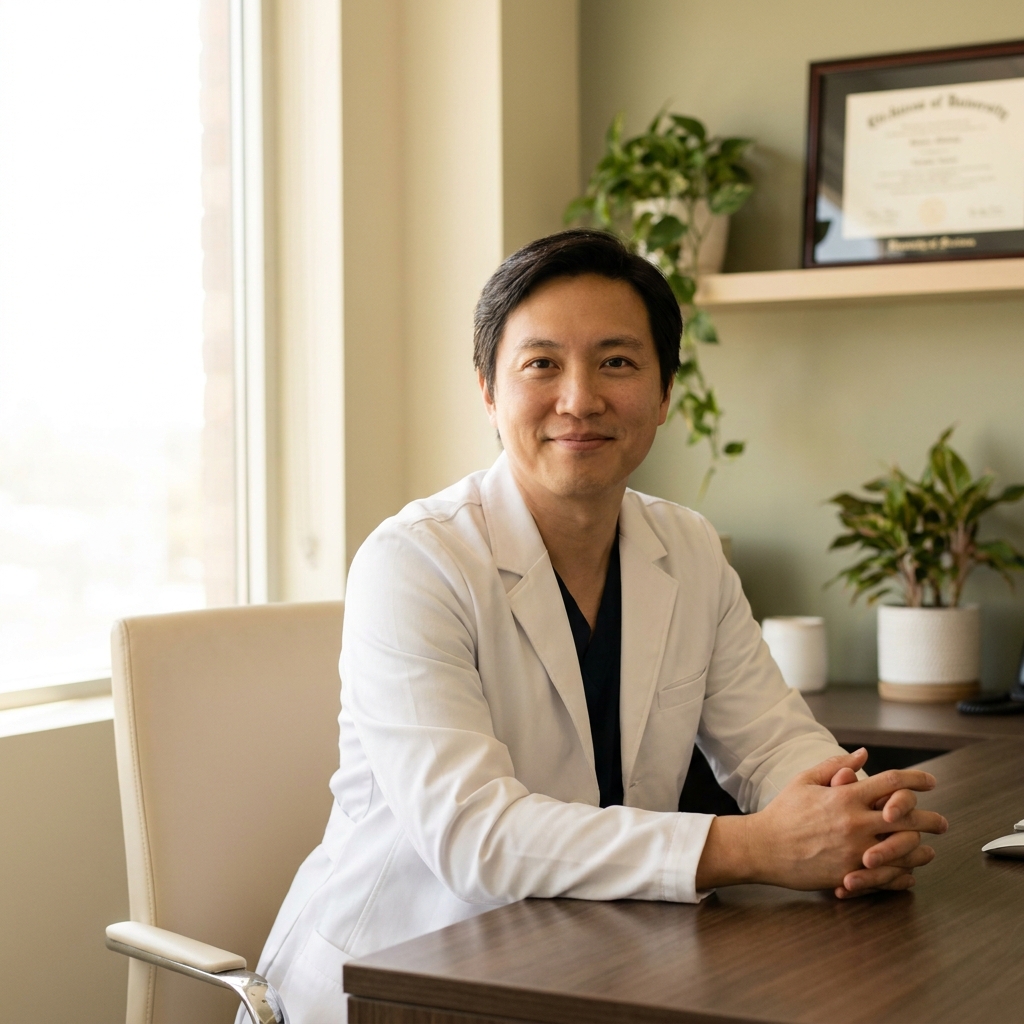
How to Find Regenerative Medicine Doctors Near Me: The 2026 Patient’s Vetting Guide
Introduction: Why Finding the Right Regenerative Medicine Doctor in 2026 Is More Complex Than a Google Search
The U.S. regenerative medicine market is projected to exceed $27 billion in 2026, and nearly one in three Americans may benefit from these therapies. Yet the quality gap between providers remains enormous. For patients searching “regenerative medicine doctors near me,” the journey often begins with chronic pain, a joint injury, or a condition that has not responded to conventional treatment. These individuals deserve a trustworthy guide, not a sales pitch.
The core problem is straightforward: the same search query returns everything from world-class academic medical centers to unregulated clinics making unsubstantiated claims. Most patients lack the tools to distinguish evidence-based practitioners from opportunistic providers capitalizing on a booming market.
This guide provides a transparent, editorial-grade framework covering credentials, red flags, FDA compliance signals, realistic cost expectations ranging from $500 to $25,000 or more, and the exact questions to ask before booking a consultation. TopDoctor Magazine serves as an editorial resource—not a clinic—that profiles and recognizes vetted practitioners in this space, helping bridge the gap between qualified providers and the patients who need them.
The following sections cover treatment definitions, specialist types, credential verification, regulatory compliance, red flags, costs, search strategies, consultation questions, and a step-by-step action plan for finding qualified care.
What Regenerative Medicine Actually Is (and What It Isn’t) in 2026
Regenerative medicine uses the body’s own biological materials—or lab-engineered equivalents—to repair, replace, or regenerate damaged tissues and organs rather than simply masking symptoms. However, not every clinic offering “stem cell therapy” is practicing evidence-based regenerative medicine.
The most common treatments patients encounter locally include:
- Platelet-Rich Plasma (PRP) therapy
- Stem Cell Therapy (autologous vs. allogeneic)
- Bone Marrow Aspirate Concentrate (BMAC)
- Prolotherapy
- Adipose-derived (fat) cell therapy
- Exosome therapy
- Extracorporeal Shockwave Therapy (ESWT)
Understanding the distinction between autologous treatments (using a patient’s own cells) and allogeneic treatments (donor-derived) matters significantly for safety and regulatory compliance. Orthopedics and musculoskeletal disorders represent approximately 33–35% of the regenerative medicine market, making these conditions the most common reason patients seek local providers.
A notable 2025 milestone saw the FDA approve the first U.S. MSC treatment (Ryoncil), signaling the field’s maturation while underscoring why regulatory literacy matters when evaluating local clinics. Regenerative medicine is generally most appropriate for patients who have failed conservative treatments such as physical therapy, NSAIDs, and steroid injections but are not yet surgical candidates.
Which Type of Doctor Should Patients Be Looking For?
“Regenerative medicine doctor” is not a single board-certified specialty—it is a practice area drawing from multiple medical disciplines. The appropriate specialist depends on the specific condition being treated.
The Five Specialist Backgrounds Most Qualified to Offer Regenerative Treatments
Physical Medicine & Rehabilitation (PM&R): Board-certified physiatrists with fellowship training in musculoskeletal medicine are among the most rigorously trained regenerative medicine practitioners, making them ideal for spine, joint, and soft tissue injuries.
Sports Medicine Physicians: Fellowship-trained sports medicine doctors frequently specialize in orthobiologics and PRP for athletic injuries.
Orthopedic Surgeons with Orthobiologics Training: Surgeons who have added regenerative protocols to their practice—particularly those affiliated with academic centers—often follow evidence-based protocols.
Interventional Pain Medicine Specialists: Board-certified pain management physicians use regenerative injections as alternatives to steroid injections or opioid management.
Rheumatologists: Relevant for autoimmune-related joint conditions where regenerative approaches may complement disease management.
Patients should exercise caution when regenerative treatments are offered by providers without relevant specialty training, including some chiropractors, naturopaths, and nurse practitioners operating outside their clinical scope.
Credentials and Training: The Non-Negotiable Vetting Checklist
Credentials verification is the single most important step before booking a consultation—and it takes less than 15 minutes using free public tools.
Step 1: Verify Board Certification
Patients should use the American Board of Medical Specialties (ABMS) Certification Matters tool at certificationmatters.org. Relevant board certifications include ABPMR (Physical Medicine & Rehabilitation), ABOS (Orthopedic Surgery), ABPM (Pain Medicine), and ABFM with CAQ in Sports Medicine.
There is no standalone ABMS board certification in “regenerative medicine.” Any doctor claiming board certification through a non-ABMS body warrants careful scrutiny. Legitimate non-ABMS credentials that carry weight include fellowship training through TOBI (The Orthobiologic Institute), ACGME-accredited sports medicine fellowships, and musculoskeletal ultrasound certifications (RMSK).
Step 2: Confirm State Medical Licensure
Patients should verify active, unrestricted licensure through their state medical board—all state medical board license lookup tools are free and publicly accessible. Active status with no disciplinary actions or practice restrictions is essential. Disciplinary history is a serious red flag warranting investigation before proceeding.
Step 3: Evaluate Training in Regenerative Techniques Specifically
Patients should confirm whether the physician has completed formal fellowship or advanced training in orthobiologics—not merely a weekend course. Affiliation with academic medical centers or research programs serves as an additional quality signal.
Patients should also confirm whether the doctor uses image-guided injection (ultrasound or fluoroscopy), a critical quality differentiator endorsed by leading academic medical centers. Blind injections carry a higher risk of misplacement.
FDA Compliance: What Every Patient Must Understand Before Choosing a Provider
The FDA regulates cell and tissue products under 21 CFR Part 1271 and the biologics framework. The “same surgical procedure” exception (Section 361 HCT/Ps) allows autologous, minimally manipulated treatments like PRP and BMAC without a Biologics License Application—this is the legal basis for most in-office regenerative treatments.
Treatments falling outside this exception—including allogeneic stem cell products, exosome products, and “more than minimally manipulated” cells—require FDA approval. Many clinics offering these products operate outside legal boundaries.
The FDA’s September 2025 draft guidance on expedited programs for regenerative medicine therapies updated the RMAT (Regenerative Medicine Advanced Therapy) designation framework. As of September 2025, the FDA had received nearly 370 RMAT requests and approved 184.
Patients should ask providers: “Is this product FDA-approved or operating under the 361 HCT/P exemption?” and “Can you provide the product’s NDC number or lot number?”
Red Flags: How to Identify Predatory or Unqualified Regenerative Medicine Clinics
The growth of the regenerative medicine market has attracted both excellent practitioners and opportunistic bad actors. Recognizing warning signs is essential.
Marketing and Claims Red Flags
- Promises of “cures” for conditions such as ALS, Parkinson’s, MS, or cancer using stem cells
- Guaranteed outcomes without published clinical data
- Heavy reliance on patient testimonials as primary evidence
- Aggressive upselling of multiple treatments without a thorough diagnostic workup
- “Stem cell tourism” packages combining treatment with travel to circumvent FDA oversight
Provider Qualification Red Flags
- Non-physician providers performing stem cell or BMAC procedures
- Physicians offering treatments far outside their specialty training
- No use of image guidance for joint or spinal injections
- Inability to explain the regulatory status of products being used
- No formal patient selection process
Facility and Transparency Red Flags
- No verifiable physician credentials on the clinic website
- Pressure to pay large upfront deposits before a diagnostic consultation
- Absence of a formal informed consent process
- No follow-up protocol or outcome tracking
- Inability to provide references to published clinical literature
The Real Cost of Regenerative Medicine: What to Budget in 2026
The vast majority of regenerative medicine treatments are not covered by standard health insurance. Major insurers including Cigna, Medicare, and Medicaid consider these treatments “experimental” or “investigational.”
Realistic cost ranges by treatment type:
- PRP therapy: $500–$2,500 per session (often requiring multiple sessions)
- Stem Cell Therapy: $3,000–$25,000+ per treatment
- BMAC: $2,000–$8,000
- Prolotherapy: $200–$600 per session
- Exosome therapy: $1,500–$5,000+
- Adipose-derived therapy: $3,000–$15,000
Costs vary based on geographic location, provider credentials, number of injection sites, use of imaging guidance, and whether autologous or allogeneic products are used.
Patients can use Health Savings Accounts (HSAs) and Flexible Spending Accounts (FSAs) to offset out-of-pocket costs. Many clinics offer payment plans or third-party medical financing. Patients should obtain itemized cost estimates in writing before committing.
How to Search for Regenerative Medicine Doctors: A Practical Step-by-Step Guide
“Regenerative medicine doctors near me” is the right starting point but may return mixed results. More targeted search strategies yield better outcomes.
Search Terms That Return Better Results
Condition-specific searches are more effective: “PRP injection specialist near me,” “orthobiologics doctor [city],” “sports medicine regenerative medicine [city],” or “PM&R physician orthobiologics [city].”
Patients should also search for academic medical center affiliates in their region. The TOBI (The Orthobiologic Institute) provider directory offers a starting point for finding fellowship-trained orthobiologics specialists. The American Academy of Physical Medicine and Rehabilitation (AAPM&R) and American Orthopaedic Society for Sports Medicine (AOSSM) member directories also provide qualified candidates.
Using Online Reviews Intelligently
When reading reviews, patients should look for patterns in outcome descriptions rather than star ratings alone. A high volume of five-star reviews posted within a short time window may indicate a review solicitation campaign. Reviews describing the diagnostic process, provider communication, and follow-up care are more valuable than simple satisfaction statements.
Editorial features in credible publications like TopDoctor Magazine can supplement online review research with deeper qualitative information about practitioners.
Questions to Ask During a Consultation: The Patient’s Vetting Script
The right questions reveal a provider’s qualifications, transparency, and patient-centeredness.
Questions About the Provider’s Training and Experience
- “What is your primary board certification, and do you have fellowship training in orthobiologics or regenerative medicine?”
- “How many procedures of this type have you performed, and what outcomes data do you track?”
- “Do you use ultrasound or fluoroscopic guidance for injections?”
Questions About the Treatment and Products
- “What is the regulatory status of the product you are recommending?”
- “Is this an autologous or allogeneic treatment?”
- “What does the clinical evidence say about this treatment for my specific condition?”
- “Am I a good candidate for this treatment?”
Questions About Cost, Coverage, and Follow-Up
- “Can you provide an itemized cost estimate in writing?”
- “Is this treatment HSA/FSA eligible, and do you offer financing options?”
- “What does the follow-up protocol look like?”
The 2026 Action Plan: Finding a Qualified Regenerative Medicine Doctor
- Step 1: Define the condition and goals—identify what is being treated and which conservative treatments have already been attempted.
- Step 2: Use targeted search terms and professional directories to build an initial candidate list.
- Step 3: Verify board certification, state medical licensure, and check for disciplinary history.
- Step 4: Research each candidate’s training, academic affiliations, and use of image-guided procedures.
- Step 5: Check for red flags in marketing materials, claims, and online reviews.
- Step 6: Schedule consultations with top candidates using the vetting questions provided above.
- Step 7: Evaluate cost transparency, HSA/FSA eligibility, and financing options before committing.
- Step 8: Make a final decision based on credentials, communication quality, transparency, and comfort level—not price alone.
Conclusion: The Patient Who Does Their Homework Gets Better Outcomes
In a field growing at 18–31% annually with a market projected to reach tens of billions of dollars, the quality gap between providers is wide. Patients who take time to vet their providers are most likely to receive safe, evidence-based care.
The legitimate promise of regenerative medicine is real—the FDA’s approval of 42+ cellular and gene therapy products and new ASPN guidelines signal the field’s maturation. However, that maturation takes time to reach every local clinic.
The three most important patient protections are: verifying credentials through official channels, asking about FDA compliance and image guidance, and obtaining cost transparency in writing before committing.
TopDoctor Magazine remains committed to serving as an independent, editorial-grade resource helping patients navigate the healthcare landscape with confidence. The right regenerative medicine doctor is out there—and patients now have the tools to find one.
Ready to Find a Vetted Regenerative Medicine Specialist? Start with TopDoctor Magazine
TopDoctor Magazine’s featured profiles of regenerative medicine practitioners offer valuable research starting points—practitioners who have been interviewed, vetted editorially, and recognized for their contributions to patient care. These profiles provide qualitative depth about physician backgrounds and care philosophies that complement independent verification steps.
Subscribing to the TopDoctor Magazine newsletter provides ongoing coverage of regenerative medicine advances, new treatment approvals, and patient education resources. Healthcare professionals specializing in regenerative medicine are invited to connect with TopDoctor Magazine’s editorial team for potential feature consideration.
Patients are encouraged to share this guide with anyone considering regenerative medicine, helping more people access the information needed to make confident healthcare decisions.