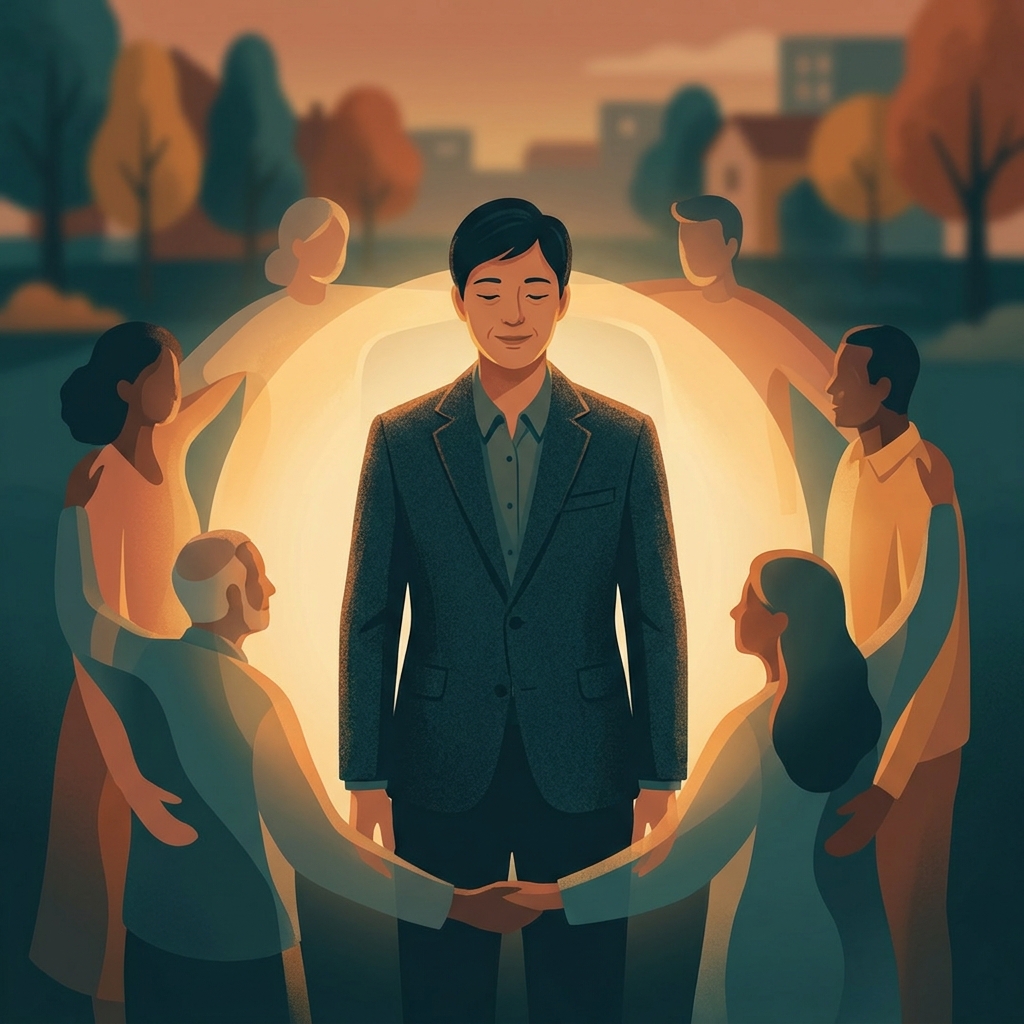
Healthcare Philanthropy Doctor Community Giving: The 2026 Portrait of Physicians Who Heal Beyond the Clinic
Introduction: Medicine’s Most Generous Practitioners
The exam room is empty. It is a Saturday morning, and instead of charting or sleeping in, a family physician is unfolding a portable blood pressure cuff inside a converted church basement, preparing to see the first of forty uninsured patients who have been waiting since dawn. There is no billing department here. There is no insurance verification. There is only a doctor, a stethoscope, and a community that would otherwise go without care.
This scene, repeated in thousands of variations across the United States, captures something essential about a growing cohort of physicians. They are redefining what it means to heal by extending their expertise, their time, and their resources far beyond the walls of any clinic.
In 2026, this movement has never mattered more. Giving to health-related nonprofits reached an all-time high of $61.43 billion in 2025, a 3.3% inflation-adjusted increase year over year. Yet the story is not only about dollars. It is about purpose. Purpose-driven community giving is emerging as a measurable antidote to physician burnout, a crisis that still affects 41.9% of physicians despite four consecutive years of decline.
This article profiles four physician archetypes, the systemic impact of their work, and the surprising personal benefits they receive in return. It tells these stories through the editorial lens of the TopDoctor Magazine Philanthropy Award, which recognizes physicians who demonstrate exceptional generosity, charitable giving, and humanitarian service.
The 2026 State of Healthcare Philanthropy: Why Physician Giving Has Never Mattered More
The financial backdrop makes physician generosity a structural necessity rather than a charitable footnote. The median hospital operating margin was just 1.3% in 2025, with workforce costs rising 5.6%. In an industry running that thin, philanthropy and community giving have become critical to sustainability.
The leverage is striking. According to AHP’s 2025 Report on Giving, hospital foundations return approximately $0.77 for every dollar raised. At a 1.3% margin, a health system would need to generate nearly $77 million in patient revenue to match $1 million in net philanthropic revenue. Giving, in other words, does the work of an entire hospital wing.
The donor base is expanding as well. Nearly 60% of health organizations saw an increase in new donors in 2025, even as 71% identified donor acquisition as their top fundraising challenge.
Physicians occupy a unique philanthropic position. They possess specialized clinical skills, deep community trust, and professional networks that amplify the impact of their giving far beyond what a financial donation alone could achieve. This matters because the AAMC projects a physician shortage of up to 86,000 by 2036. Physician-led volunteer medicine is not optional for underserved populations; it is essential.
Against this backdrop, a distinct portrait of the physician-philanthropist is emerging, one that takes many forms.
Archetype 1: The Free Clinic Volunteer — Healing Without a Bill
The first archetype donates clinical time at free and charitable clinics, serving patients who would otherwise fall through every crack in the system.
The scale is remarkable. Across America’s 1,400 Free and Charitable Clinics and Pharmacies, over 200,000 volunteers help approximately 2 million people through 6 million patient visits annually. Volunteers make up 92% of the total workforce, including physicians, nurses, and dentists.
The typical profile is a practicing physician who carves out evenings or weekends to staff a clinic in an urban or rural underserved community. These doctors donate more than time; they donate supplies, referrals, and follow-up care that no reimbursement code will ever cover.
What sets free clinic physicians apart is their vantage point on the social determinants of health. Standing at the intersection of poverty, housing insecurity, and lack of insurance, they see the root causes that drive health disparities before those causes ever become emergencies.
Consider a composite of dozens of real volunteers. An internist finishes her first Saturday shift exhausted, having treated uncontrolled diabetes in a man who had rationed insulin for six months. She expected relief when it ended. Instead, she found herself circling next Saturday on the calendar. She returned because, for the first time in years, medicine felt uncomplicated by everything except the patient in front of her.
This archetype embodies the TopDoctor Magazine Philanthropy Award’s standard of exceptional generosity and humanitarian service, using expertise to benefit those with nowhere else to turn. Physicians interested in how charity begins at home can find inspiration in the stories of colleagues who have already made this commitment.
Archetype 2: The Veterans’ Advocate: Standing Down for Those Who Served
The second archetype champions healthcare access specifically for veterans, participating in Stand Down events, VA volunteer programs, and veteran-focused free clinics.
Programs like the Minnesota Medical Association’s Physician Volunteerism Program connect physicians with Stand Down events for homeless veterans and safety net clinics serving the uninsured and underinsured. These events bring medical care directly to those who have often stopped seeking it.
The healthcare challenges veterans face are distinct and complex: mental health struggles, chronic pain, traumatic brain injury, and gaps in VA coverage that leave many without consistent care. Physician volunteers become indispensable bridges across those gaps.
This archetype aligns deeply with TopDoctor Magazine’s own identity. The magazine’s charity golf event specifically benefits veterans, and its VP of Development, Mark Carvalho, is a U.S. Marine Corps Veteran. Supporting those who served is woven into the publication’s culture.
Consider a physician who served as a combat medic before medical school. Years later, treating a homeless veteran at a Stand Down clinic, he recognizes not just a patient but a mirror of a life he might have lived. He begins recruiting colleagues, and within two years, the clinic’s volunteer roster has tripled.
That ripple effect is the point. Physicians who advocate for veterans routinely inspire residents and medical students to join, multiplying the impact of a single committed doctor.
Archetype 3: The Disaster-Response Doctor: Medicine in the Field
The third archetype deploys to disaster zones, both domestic and international, providing emergency care, surgical support, or public health intervention in the aftermath of natural disasters, conflict, and humanitarian crises.
These physicians operate within organizational ecosystems like Doctors Without Borders, Direct Relief, Project HOPE, and local disaster medical assistance teams. Their work demands improvisation, triage under extreme pressure, and cross-cultural communication; competencies that make them measurably more effective when they return to their home practices.
The personal cost is significant. Disaster-response physicians often take unpaid leave, fund their own travel, and navigate complex credentialing challenges. The depth of that commitment underscores just how far this form of giving extends.
Consider an emergency physician arriving in a coastal town days after a hurricane, working by headlamp in a school gymnasium. She stabilizes a child in respiratory distress with equipment improvised from what survived the flood. Weeks later, back in her fully stocked hospital, she describes that night as the moment she remembered why she chose medicine at all.
That reconnection to purpose is not incidental. Physicians who engage in high-stakes humanitarian work frequently report a renewed sense of meaning that counteracts the emotional exhaustion of routine practice, a theme that runs throughout this entire portrait.
Archetype 4: The Community Health Fund Builder: Philanthropy as Infrastructure
The fourth archetype moves beyond individual volunteerism to build lasting philanthropic infrastructure: founding community health funds, leading physician philanthropy councils, and establishing charitable foundations.
The Beacon Health Foundation’s Physician Philanthropy Council offers a model. This physician-only giving group supports initiatives impacting at-risk and vulnerable patients, associates, and local communities in meaningful and measurable ways.
These physicians use sophisticated giving vehicles. Donor-Advised Funds, Charitable Remainder Trusts, and Qualified Charitable Distributions allow them to donate appreciated stock, reduce taxable income, and support causes well into retirement. Notably, physicians aged 70½ or older can transfer up to $108,000 tax-free directly from an IRA to a qualified charity via a QCD, counting toward Required Minimum Distributions. It is a powerful tool for legacy giving.
Grateful Patient Programs often intersect with this archetype. Physicians who build strong patient relationships frequently become the catalyst for grateful patient donations, and hospitals that embrace structured programs see higher donor conversion rates and stronger long-term outcomes.
Consider a cardiologist who established a scholarship fund for first-generation medical students from his rural county. A decade later, three of those graduates practice in the same underserved region. The gift did not simply fund an education; it seeded a generation of care.
This archetype represents the pinnacle of the TopDoctor Magazine Philanthropy Award criteria: sustained, systemic, and measurable community impact.
The Burnout Paradox: How Giving More Can Mean Burning Out Less
Here is the counterintuitive finding. At a time when burnout affects 41.9% of physicians, community giving is emerging as an evidence-backed antidote rather than an additional burden.
The Physicians Foundation 2025 Wellbeing Survey found that reported burnout decreased from 60% to 54%, yet stress and anxiety surged to levels not seen since the height of the pandemic. The decline in burnout alone does not signal full wellbeing.
The purpose-recovery mechanism explains why giving helps. Physicians who engage in community philanthropy report higher career satisfaction, a stronger sense of meaning, and reduced emotional exhaustion, because giving reconnects them to the reason behind their vocation. As financial advisors observe, the happiest clients are the most generous ones, a pattern consistent even among high-earning physicians.
Administrative friction is part of the equation. A 2025 study in JAMA Network Open found that after 30 days using an ambient AI scribe, burnout among ambulatory clinicians dropped from 51.9% to 38.8%. Reducing paperwork may free physicians to engage more meaningfully in the giving that restores them.
The takeaway reframes the conversation: physician philanthropy is not a luxury reserved for those who have already solved burnout. It may be one of the most effective tools for addressing it.
The Ripple Effect: How Physician Philanthropy Shapes Patient Trust and Community Health
Physician giving produces measurable downstream effects on patient perception. Research shows 76% of patients would only choose a hospital with high quality ratings, and 63% are more likely to choose an award-winning provider. Philanthropy and recognition directly influence patient trust and provider selection.
The health equity dimension runs deeper. Physicians occupy a unique vantage point to address the social determinants of health, and the World Medical Association’s “Doctors for Health Equity” framework argues that physicians who engage in community giving are practicing health equity medicine at the grassroots level.
There is also a workforce inspiration effect. Physician-philanthropists serve as role models for students, residents, and early-career doctors, seeding a culture of giving that compounds across generations. Visible givers also build deeper patient relationships, higher retention, and stronger referral networks.
As the physician shortage widens toward 86,000 by 2036, the physicians who give back today are sustaining the very communities that will face the steepest shortfalls tomorrow.
Recognizing the Physician-Philanthropist: The TopDoctor Magazine Philanthropy Award
The TopDoctor Magazine Philanthropy Award is the editorial and institutional framework that celebrates all four archetypes profiled here. It recognizes physicians who have demonstrated exceptional generosity, charitable giving, and humanitarian service, using their resources, platform, and expertise to benefit underserved populations and nonprofit organizations.
This category is genuinely distinctive. Other recognition programs honor service and leadership, but rarely frame an award around philanthropy as a standalone, celebrated category. TopDoctor Magazine fills that gap.
The nomination process safeguards authenticity. Nominations must be submitted by someone other than the nominee (another doctor, a patient, or a TopDoctor Magazine representative), require positive patient testimonials, and include a 30 to 45 minute initial interview. This ensures the recognition reflects genuine, sustained community impact rather than performative philanthropy.
That authenticity imperative matters. The award is designed to honor physicians whose giving is woven into the fabric of their professional identity, not performed for visibility. Winners are celebrated at the gala dinner and awards ceremony, held alongside a charity golf event benefiting veterans, reinforcing the publication’s own philanthropic commitments.
How Physicians Can Begin or Deepen Their Philanthropic Journey
Physicians at every stage can find an entry point.
The volunteer pathway. New volunteers can connect with the National Association of Free and Charitable Clinics, state medical association volunteerism programs, or local Stand Down events for veterans. These are immediate, low-barrier starting points.
The financial giving pathway. Donor-Advised Funds and Charitable Remainder Trusts offer tax-efficient vehicles for physicians who want to maximize the impact of financial contributions while managing taxable income.
The QCD option. Physicians aged 70½ or older can direct up to $108,000 tax-free from an IRA to a qualified charity, counting toward Required Minimum Distributions.
Grateful Patient Programs. Structured programs at a physician’s own institution create a natural bridge between exceptional clinical care and philanthropic giving.
Peer giving groups. Physician philanthropy councils amplify individual impact and build accountability, inspiration, and shared purpose among colleagues.
Starting small is not starting insignificantly. A single free clinic shift, a first DAF contribution, or a nomination for a colleague’s work can be the beginning of a giving identity that grows across an entire career. Physicians looking to strengthen their medical practice visibility will find that a reputation for community giving is among the most authentic and enduring ways to build it.
Conclusion: The Physician Who Heals Beyond the Clinic
Return to that church basement on a Saturday morning. The physician packing up her blood pressure cuff is not an exception to her profession; she is its highest expression.
Whether volunteering at a free clinic, advocating for veterans, responding to disasters, or building philanthropic infrastructure, these physicians share one conviction: healing is not confined to the exam room. The paradox holds true as well. Those who give the most often receive the most in return, not in dollars, but in purpose, meaning, and career longevity.
The stakes are systemic. With a projected shortage of 86,000 physicians by 2036 and hospital margins at historic lows, physician-led community giving is not a feel-good story; it is a structural pillar of American healthcare.
The physicians profiled here are not outliers. They are an invitation to every physician reading this to consider what healing beyond the clinic might look like in their own community. Medicine at its best has always been an act of service. These physicians simply refuse to stop serving when the clinic door closes.
Nominate a Physician Who Heals Beyond the Clinic
Do you know a physician whose generosity extends far beyond the exam room? Patients, colleagues, and community members are invited to nominate a physician for the TopDoctor Magazine Philanthropy Award.
The criteria are clear: the nominee must be a force for positive change in medicine and wellness, must make meaningful contributions to their profession and patients, and the nomination must be submitted by someone other than the nominee.
Recognition matters. Because 63% of patients are more likely to choose an award-winning provider, nominating a physician-philanthropist not only honors their service but amplifies their ability to reach patients and sustain their giving work.
Visit topdoctormagazine.com to submit a nomination or learn more about the awards program.
For physicians inspired by these archetypes, consider exploring volunteer opportunities through the NAFC, your state medical association, or local veterans’ organizations, and ask whether your own giving story might be ready to be told.
TopDoctor Magazine is committed to celebrating the physicians who heal beyond the clinic, because the communities they serve deserve to know their names.