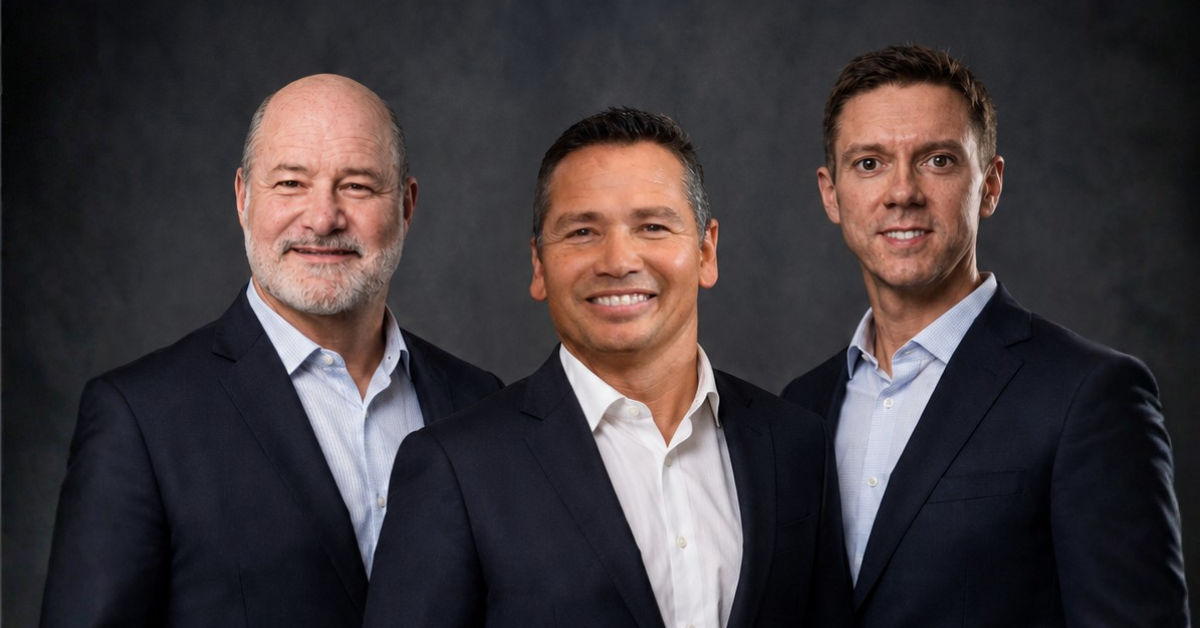
Healthcare Disparities Equity: Doctor Perspectives Driving Change in 2026
Introduction: The Doctors Who Refuse to Look Away
In 2026, racial and ethnic health disparities persist in every U.S. state. Yet a generation of physicians is choosing action over resignation. These doctors are not waiting for perfect policy solutions or ideal circumstances. They are building health equity from the ground up, one patient at a time.
The systemic backdrop is sobering. The Commonwealth Fund’s April 2026 report confirms that disparities are worsening amid federal policy rollbacks, including Medicaid and ACA cuts that could strip coverage from up to 12 million Americans by 2034. While policy debates rage in Washington, individual physicians are constructing a more equitable healthcare system in their clinics, communities, and careers.
This article examines healthcare disparities equity through doctor perspectives, highlighting the data behind persistent inequities, amplifying physician voices confronting them, and exploring real-world strategies making equity tangible in 2026. These physicians are not passive observers of a broken system. They are resilient, frontline architects of change.
The State of Healthcare Disparities in 2026: What the Data Tells Us
Before exploring physician-led solutions, understanding the scope of the problem is essential. The numbers paint a stark picture of inequity that demands attention.
The Commonwealth Fund’s findings reveal that racial and ethnic health disparities exist in every U.S. state, with recent federal policy shifts expected to worsen outcomes further. These are not abstract statistics. They represent real patients experiencing preventable suffering.
Consider the diabetes disparity: Black Non-Hispanic adults carry a 20.7% prevalence rate of Type 2 Diabetes compared to 11.2% for White Non-Hispanic adults. This gap is driven by food deserts, pharmacy deserts, and structural inequities that physicians encounter daily in their practice.
Emergency department data reveals equally troubling patterns. Black ED patients have a 10% lower likelihood of hospital admission and 1.26 times higher odds of ED or hospital death compared to White patients. These disparities persist even when controlling for clinical factors.
The kidney transplant gap is particularly striking. Less than 10% of Black and American Indian/Alaska Native patients with chronic kidney failure received a transplant within three years of renal failure, compared to 17.3% of White patients.
A February 2026 NYC Health Department study of nearly 3,000 adults found that Black and Latino New Yorkers experience worse health outcomes even at similar wealth levels. The contributing factors include residential segregation, discrimination, and the lasting effects of historical redlining.
Perhaps most significant is this finding: social determinants of health account for up to 80% of health outcomes, compared with only 20% driven by clinical care. This reality makes community-level physician engagement not optional but essential.
These numbers represent real patients, and real physicians are responding.
The Political Headwinds: Why Equity Work Is Harder and More Urgent in 2026
Physicians pursuing health equity in 2026 are navigating unprecedented political challenges. Understanding this context illuminates why their commitment stands out.
The 2025 executive orders dismantled federal DEI programs, removed health equity data from CMS and CDC websites, and eliminated the HHS Health Equity Task Force. Researchers and the Association of Health Care Journalists have raised alarms, warning that “what isn’t measured can’t be fixed.”
Medical education has also been affected. The LCME removed Standard 3.3, which required medical schools to maintain active diversity programs. This change raises concerns about future physician training in structural competency and cultural humility.
The “One Big Beautiful Bill” includes nearly $800 billion in Medicaid and ACA cuts over a decade. Nonpartisan estimates suggest these cuts could leave millions of Americans without health insurance, deepening existing disparities.
DEI rollbacks also risk driving minoritized physicians out of the workforce. Research shows that health systems with diverse workforces see up to four times lower staff turnover rates, making diversity both an equity issue and an operational imperative.
Rather than retreating, many physicians are doubling down. They are reframing equity as a patient safety and quality improvement imperative, not a political one.
Physician Voices on the Front Lines: Stories of Equity in Action
The heart of health equity work lies in the physicians who practice it daily. Their stories illuminate what progress looks like in 2026.
Dr. Uché Blackstock: Rewriting the Narrative on “Noncompliance”
Dr. Uché Blackstock, emergency physician and founder of Advancing Health Equity, has challenged the medical community’s language around patient behavior. In her April 2026 writing, she argued that structural barriers like pharmacy deserts are routinely mislabeled as patient “noncompliance,” shifting blame onto patients rather than systems.
Her core message is clear: physicians must understand patients’ social context before making clinical judgments. This practice, called structural competency, requires asking about a patient’s zip code, food access, and transportation as part of clinical assessment.
“Patients don’t experience illness in a vacuum,” Dr. Blackstock emphasizes. When physicians fail to account for social determinants of health, they risk misdiagnosis, undertreatment, and inadvertently perpetuating the very disparities they aim to address.
The AMA and Morehouse School of Medicine: Training the Next Generation of Equity Advocates
The 2026 launch of the Medical Justice in Advocacy Fellowship represents a significant investment in physician-led equity work. This partnership between the AMA Center for Optimal Health Outcomes and Morehouse School of Medicine’s Satcher Health Leadership Institute trains physicians in equity-focused advocacy.
Traditional medical education has historically lacked training on how racism perpetuates health disparities, according to Harvard T.H. Chan School of Public Health. This fellowship addresses that gap directly.
Morehouse School of Medicine, as a historically Black institution, brings unique credibility and perspective to this initiative. The fellowship recognizes that physician advocacy is increasingly a clinical skill, not merely a political act.
Rush University System for Health: When “Food Is Medicine” Becomes Clinical Practice
Rush University System for Health has embedded food insecurity screening and pantry access directly into clinical care in 2026. Physicians and care teams screen patients for food insecurity at intake and connect them to on-site food pantry resources.
This model operationalizes the “food is medicine” principle. Given that food deserts are a primary driver of the Type 2 Diabetes disparity between Black and White adults, food access becomes a clinical intervention rather than just a social service.
The Rush model addresses the 80% of health outcomes driven by social determinants. A prescription pad alone cannot fix these underlying issues. Some payment models in 2026 are beginning to reward progress in reducing disparities, making equity both a clinical and financial priority.
The Power of Racial Concordance: Why Representation Is a Health Intervention
Research findings on racial concordance in care are compelling. A 2018 study found Black physicians were more than 50% more effective than non-Black physicians in encouraging Black male patients to access preventive vaccinations and tests.
Even more striking: in counties where there are more Black physicians, Black people live longer. This makes workforce diversity a direct, measurable health intervention.
Yet the representation gap remains severe. Black, Latinx, and Indigenous physicians account for only 5.0%, 5.8%, and 0.3% of physicians respectively, despite representing 13.6%, 19.1%, and 1.3% of the U.S. population.
Physicians from underrepresented communities often describe their presence in a clinic or hospital as itself a form of health equity work. They build trust, reduce implicit bias encounters, and improve patient engagement simply by being present.
Health systems with diverse workforces see up to four times lower staff turnover, framing diversity as an organizational health metric as well as a moral imperative.
Confronting Implicit Bias: The Uncomfortable Conversation Physicians Are Having
In 2026, studies still show minority patients receive less pain treatment and fewer specialist referrals. Some physicians hold implicit biases, such as the false belief that Black patients feel less pain.
This reality is not an indictment of individual physicians but rather a systemic training and awareness failure. Equity-focused doctors are actively working to correct it.
The American College of Physicians has developed a comprehensive policy framework recognizing that racial and ethnic disparities arise from racism, social drivers of health, access barriers, and implicit physician bias. The framework calls for structural solutions.
Physician education programs in 2026 are incorporating implicit bias training, structural competency, and cultural humility as core clinical skills. Doctors who have undergone bias training describe it as transformative for both patient outcomes and their own professional identity.
The Institute for Healthcare Improvement’s February 2026 framework reframes bias awareness as a patient safety issue. This framing has helped physicians in restrictive institutional environments continue equity work.
Health Equity in the Age of AI: A New Frontier for Physician Vigilance
As AI tools become more embedded in clinical decision-making, they risk perpetuating and even amplifying racial health disparities. The NAACP released a 75-page report in late 2025 calling for “equity-first” standards in health AI, including bias audits and community governance councils.
The mechanism is straightforward: AI trained on historically biased healthcare data can systematically underdiagnose, undertreat, or misroute minority patients at scale.
Equity-focused physicians are increasingly calling for transparency in AI clinical tools. They want to know what populations the algorithms were trained on and whether bias audits have been conducted.
Physicians who understand both clinical care and health equity are uniquely positioned to serve as equity auditors in AI implementation processes. Tech solutions are only as equitable as the humans who design, deploy, and oversee them.
With federal health equity data being erased from public agencies, physician-led data collection and AI bias monitoring become even more critical.
What Every Physician Can Do: Practical Steps Toward Equity in Daily Practice
Health equity work does not require a fellowship or a policy platform. It begins in the exam room.
Screen for Social Determinants as Routinely as Vital Signs
Integrating SDoH screening tools into standard intake processes is essential. This includes assessments for food insecurity, housing instability, transportation barriers, and social isolation.
Rush University’s model demonstrates how social screening can be embedded into clinical workflow. Given that SDoH account for up to 80% of health outcomes, this screening is as clinically relevant as blood pressure or BMI.
Connecting patients to community health workers, social workers, or local resources should become part of standard care plans.
Examine and Address Implicit Biases
Physicians should complete validated implicit bias assessments as a starting point for self-awareness. Continuing medical education courses in cultural humility, structural competency, and anti-racism in medicine are increasingly available.
Peer accountability structures can help normalize conversations about bias and accelerate change. This work represents a professional development investment, not a political statement.
Advocate for Workforce Diversity and Mentorship
The data is clear: in counties with more Black physicians, Black patients live longer. Workforce diversity advocacy is therefore a direct patient care intervention.
Physicians can mentor students from underrepresented communities, participate in pipeline programs, and advocate within their institutions for equitable hiring and promotion practices.
Use Your Voice: Physician Advocacy as a Clinical Tool
The AMA and Morehouse Medical Justice in Advocacy Fellowship provides a model for physician advocacy training. Physicians can engage with local health departments, community organizations, and policymakers on issues like pharmacy deserts, food access, and Medicaid coverage.
A global Sermo poll found that 50% of physicians believe universal healthcare is the most important step to enhancing care equity. Physician voices carry unique credibility in policy debates, and staying silent is itself a choice with consequences for patients.
Med students and early-career physicians can also play a meaningful role; as explored in how med students can help shape the future of health care policy, the next generation of advocates is already making an impact.
The Road Ahead: Fragile Gains and Fierce Determination
The picture in 2026 is mixed. Some fragile gains in health equity metrics have been made, but experts widely fear they will be short-lived given current policy trajectories.
The IHI’s reframing of equity as a patient safety and quality improvement issue provides a politically durable framework for continuing this work. Emerging reimbursement models that reward progress in reducing disparities are beginning to align equity with economic sustainability for health systems.
With federal health equity data being removed from public agencies, physician-led data collection, research, and advocacy become the last line of defense for accountability.
Behind every statistic is a patient. Behind every equity initiative is a physician who chose to see that patient fully, in their social and structural context. The doctors profiled here represent a growing movement that cannot be legislated away.
Conclusion: Equity Is Built One Physician at a Time
Healthcare disparities are systemic, but the solutions are also deeply personal. They are driven by individual physicians who refuse to accept inequity as inevitable.
The physicians featured here are not waiting for Washington to fix the problem. They are building equity in their exam rooms, their communities, and their advocacy. With disparities persisting in every U.S. state, federal data being erased, and coverage cuts looming, the work is urgent and the stakes are high.
The data on racial concordance, community health interventions, and physician-led advocacy all point to a clear truth: when physicians engage with equity, outcomes improve. Healthcare disparities equity through doctor perspectives is not just an academic exercise. It is the pathway to a healthier nation.
The most equitable healthcare system in America’s future will be built by the physicians who are building it today.
Join the Conversation: Top Doctor Magazine Celebrates Physicians Driving Health Equity
Top Doctor Magazine invites readers to nominate physicians doing exceptional health equity work for a feature or award. The magazine’s awards categories, including Philanthropy and Patient Recommendation, provide recognition pathways for equity-focused physicians.
Healthcare professionals are encouraged to share their own equity stories and perspectives with the Top Doctor Magazine community via social media or direct submission. Subscribing to the biweekly newsletter offers ongoing connection to physician stories, medical innovation, and health equity coverage.
Medical practices and equity-focused physicians interested in editorial features or cover profiles can contact Top Doctor Magazine directly. This is the platform where physician stories are told in full, where the human behind the white coat is seen, celebrated, and connected to a community that shares their values.