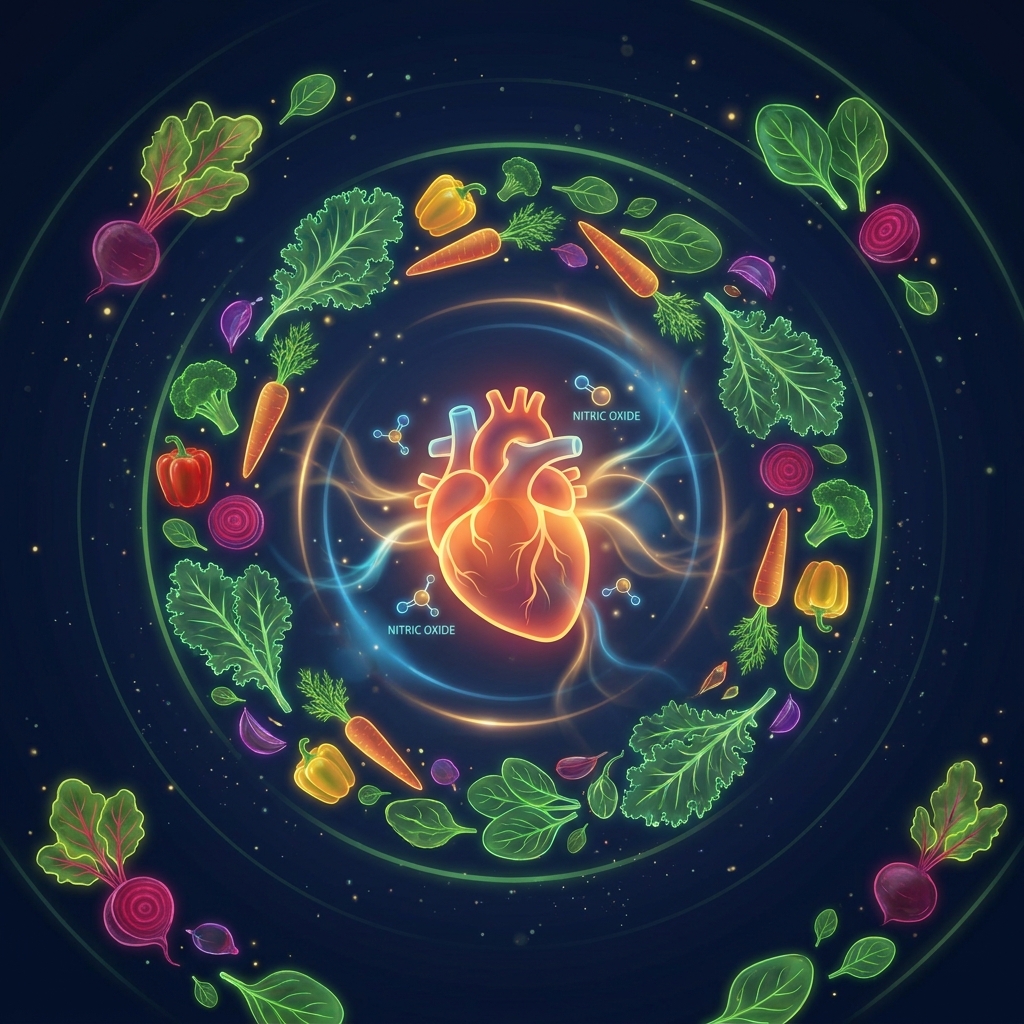
Anti-Inflammatory Diet & Nitric Oxide: The Missing Link for Cardiovascular Health
Introduction: The Hidden Connection Between What You Eat and How Your Heart Functions
Six in ten U.S. adults now live with at least one chronic disease, according to 2025 CDC figures. Beneath conditions as varied as cardiovascular disease, type 2 diabetes, and neurocognitive decline runs a common thread: chronic inflammation. This shared root has pushed food-as-medicine thinking into the mainstream. In 2026, the term “anti-inflammatory diet” commands roughly 550,000 monthly searches with 49% year-over-year growth, making it one of the fastest-rising dietary frameworks in the world.
Most content on the topic stops at food lists. This article goes deeper, connecting dietary choices to a specific and underexplored biological mechanism: nitric oxide (NO) production and endothelial function. Two pillars anchor the discussion. First, chronic low-grade inflammation as a cardiovascular threat. Second, nitric oxide as the vascular signaling molecule that anti-inflammatory eating helps preserve.
Readers will find the science of inflammation, the dietary patterns proven to reduce it, and the critical role nitric oxide plays in translating those choices into measurable cardiovascular protection. (A quick note: the occasional “anti anti inflammatory diet” search variant is simply a data-entry artifact. The intent behind it is identical, and this article addresses it fully.)
Understanding Chronic Inflammation: Why It’s the Root of Cardiovascular Risk
Not all inflammation is harmful. Acute inflammation is a protective, short-term immune response to injury or infection. Chronic low-grade inflammation is different: persistent, systemic, and quietly damaging. This second type is the real target of dietary intervention.
Chronic inflammation contributes significantly to cardiovascular disease, type 2 diabetes, certain cancers, and neurocognitive decline. Chronic diseases are the leading cause of disability and premature death worldwide, with ischemic heart disease and stroke among the top contributors.
The primary drivers are largely modifiable: ultra-processed food consumption, refined sugars, excess omega-6 fatty acids, psychological stress, environmental toxins, and gut microbiome disruption. A 2025 report in the journal Nutrients found that ultra-processed foods alter gut bacteria, damage the gut lining, and activate inflammatory genes, directly linking diet to systemic inflammation.
Clinicians track this process through biomarkers such as C-reactive protein (CRP) and interleukin-6 (IL-6). Reducing them through diet is a clinically meaningful goal, and research shows the right dietary patterns can move these markers within weeks.
The Missing Link: How Nitric Oxide Connects Diet to Vascular Health
Nitric oxide is a critical signaling molecule produced by the endothelium, the inner lining of blood vessels. It regulates vascular tone, blood pressure, and blood flow. A healthy endothelium produces adequate NO, which keeps vessels relaxed, prevents platelet aggregation, and inhibits vascular inflammation.
Here is where the two pillars connect. Chronic inflammation impairs endothelial function and suppresses NO production, creating a vicious cycle: inflammation damages the endothelium, and reduced NO amplifies vascular inflammation. NO production also naturally declines with age, particularly after 30, making dietary support increasingly important.
Anti-inflammatory eating does more than lower CRP and IL-6. It preserves and restores endothelial function, supporting the body’s own nitric oxide pathways. This connection sits at the heart of Dr. Nathan Bryan’s 30-plus years of nitric oxide research, including his work on dietary nitrates, the oral microbiome, and systemic NO bioavailability. Certain oral bacteria convert dietary nitrates from vegetables into nitrite, which the body then converts to NO. This pathway is disrupted by poor diet, antiseptic mouthwash overuse, and oral dysbiosis. Dr. Bryan’s research and its clinical applications are explored in depth in his featured issue.
The Science-Backed Anti-Inflammatory Dietary Patterns
No single food is anti-inflammatory in isolation. The strongest evidence supports overall dietary patterns sustained over weeks and months.
The Mediterranean diet remains the gold standard. A 2016 review found it reduced CRP by 20% and overall heart disease risk by 30%. A 2025 umbrella review concluded that Mediterranean and vegetarian patterns may ameliorate low-grade inflammation in adults with at least one chronic condition.
Plant-based patterns perform strongly as well. A 2025 systematic review of 32 longitudinal studies found associations between plant-based eating and reduced obesity, type 2 diabetes, and systemic inflammation. Plant-based diets are consistently associated with lower CRP and IL-6 versus omnivore diets, though well-constructed omnivore diets rich in fatty fish, vegetables, and olive oil also show robust effects.
A 2025 BMJ Nutrition meta-analysis reinforced the payoff: anti-inflammatory diets increase rates of diabetes remission, reduce cardiovascular disease risk, and significantly improve pain in rheumatoid arthritis. Consistency is key. A single anti-inflammatory meal will not offset a consistently pro-inflammatory diet.
Top Anti-Inflammatory Foods That Support Nitric Oxide Production
The foods below share a dual benefit: they reduce inflammation and support the body’s nitric oxide pathways.
Fatty Fish: Omega-3s and Vascular Protection
Omega-3 fatty acids (EPA and DHA from salmon, mackerel, and sardines) are among the most evidence-backed dietary anti-inflammatory interventions, competing with arachidonic acid to reduce prostaglandin and cytokine production. Fatty fish also reduces oxidative stress, a key inhibitor of endothelial nitric oxide synthase (eNOS), the enzyme that produces NO in vessel walls.
Leafy Greens and Beets: Dietary Nitrates as Direct NO Precursors
Dark leafy greens (spinach, arugula, kale) and beets are among the richest sources of inorganic nitrate, the direct precursor to nitric oxide. In the entero-salivary cycle, dietary nitrates are absorbed, concentrated in saliva, converted to nitrite by oral bacteria, and then reduced to NO in acidic tissues. Cruciferous vegetables and alliums (garlic, onions) also feature in the VA’s June 2025 anti-inflammatory meal planning guide.
Extra Virgin Olive Oil: Polyphenols and Endothelial Health
Extra virgin olive oil (EVOO) contains oleocanthal, a natural COX inhibitor with ibuprofen-like activity, and hydroxytyrosol, an antioxidant that protects NO from oxidative degradation. Its polyphenols upregulate eNOS expression, directly supporting NO production.
Berries: Anthocyanins Against Oxidative Stress
Blueberries, strawberries, raspberries, and blackberries are rich in anthocyanins, flavonoids that reduce NF-κB signaling, a master regulator of inflammatory gene expression. They also reduce oxidative stress, a primary mechanism by which inflammation suppresses NO bioavailability.
Fermented Foods: Gut Microbiome and Systemic Inflammation
Roughly 70 to 80% of immune cells reside in the gut. The microbiome produces short-chain fatty acids (butyrate, propionate, acetate) from fermented fiber, reducing intestinal permeability and systemic inflammation. Fermented foods such as kefir, kimchi, sauerkraut, and yogurt support a diverse microbiome, which in turn supports the oral microbiome’s capacity to convert dietary nitrates to NO.
Turmeric and Ginger: Potent Compounds With Important Caveats
Curcumin has strong anti-inflammatory activity in vitro, inhibiting NF-κB and COX-2 pathways. One nuance most content misses: standard turmeric powder has very poor bioavailability. Formulations with piperine or lipid carriers are required for clinically meaningful effect. Ginger’s gingerols and shogaols provide further anti-inflammatory and antioxidant support.
Walnuts and Other Nuts: ALA, Polyphenols, and Vascular Support
Walnuts are uniquely high in alpha-linolenic acid and ellagitannins, which are converted by gut bacteria into urolithins with endothelial-protective properties. Regular nut consumption is associated with reduced CRP and improved endothelial function.
Pro-Inflammatory Foods to Eliminate: What Damages the Endothelium
The following foods raise CRP and impair endothelial NO production:
- Ultra-processed foods: the single largest dietary driver of chronic inflammation in Western diets.
- Refined sugars: drive glycation, oxidative stress, and NF-κB activation, suppressing eNOS.
- Trans and hydrogenated fats: impair endothelial function and increase LDL oxidation.
- Processed meats: high in advanced glycation end products and saturated fat.
- Refined carbohydrates: spike glucose, driving insulin resistance.
- Excess omega-6 oils: shift the omega-6:omega-3 ratio toward pro-inflammatory eicosanoids.
A note on sweeteners: aspartame, erythritol, and sucralose may trigger inflammation and are not automatically healthy sugar replacements. Stevia and monk fruit are potential exceptions.
The Gut-Brain-Heart Axis: Protection Beyond the Cardiovascular System
The gut-brain axis is a bidirectional network between the microbiome, enteric nervous system, and central nervous system, mediated partly by inflammatory signaling. A 2026 study in Frontiers in Cellular and Infection Microbiology reported that Mediterranean-inspired diets reduce amyloid-related pathology and microglial activation, while maladaptive patterns promote dysbiosis and susceptibility to depression.
Chronic low-grade inflammation is increasingly recognized as a factor in depression, anxiety, and neurodegenerative disease. Because depression and chronic stress are independent cardiovascular risk factors, anti-inflammatory eating may reduce cardiovascular risk through multiple pathways simultaneously. A 2025 Frontiers in Nutrition study linked an anti-inflammatory diet combined with physical activity to reduced biological (phenotypic) age acceleration. Evidence for mental health benefits is promising but still developing.
Anti-Inflammatory Eating Across Life Stages and Health Conditions
Adults 30+: Preserving Nitric Oxide as Production Declines
NO production begins declining measurably after age 30, making dietary support critical for cardiovascular health, energy, and vascular function. For this group, anti-inflammatory eating is about preserving the biological machinery of healthy aging: endothelial function, microbiome diversity, and antioxidant capacity. Nitrate-rich greens and beets, polyphenol-rich berries and EVOO, and omega-3s form the core strategy. Strategies for anti-aging and super-ager approaches offer additional context for adults seeking to extend their healthspan.
Cardiovascular Disease and Metabolic Health
The evidence is strongest in this area. Anti-inflammatory diets reduce cardiovascular disease risk and increase diabetes remission rates. For those with hypertension, elevated CRP, or metabolic syndrome, targeting inflammation and NO production represents a modifiable, evidence-based strategy.
Arthritis and Inflammatory Conditions
Anti-inflammatory diets significantly improve rheumatoid arthritis pain compared with usual diets. Omega-3s and polyphenol-rich foods are particularly relevant for joint inflammation.
Fertility and Reproductive Health
A 2025 meta-analysis of over 17,000 participants confirmed that women following anti-inflammatory patterns experience significantly fewer fertility problems. Adherence improves assisted reproductive technology success and sperm quality, and is associated with lower risks of preeclampsia, gestational diabetes, and premature birth.
Practical Implementation: Building an Anti-Inflammatory Plate
The U.S. Department of Veterans Affairs’ Anti-Inflammatory Meal Planning guide (June 2025) offers a high-authority framework. It emphasizes colorful vegetables (especially dark leafy greens and cruciferous varieties), fatty fish two to three times weekly, whole grains, legumes, nuts, and EVOO as the primary fat.
Budget-conscious options include frozen fatty fish and berries, which retain nutritional value at lower cost, as well as canned sardines and mackerel as affordable omega-3 sources. A practical weekly structure might include fatty fish twice weekly, daily dark leafy greens, berries at breakfast, and legumes as a protein anchor several times per week.
When whole foods fall short (vitamin D at northern latitudes, for instance), targeted supplementation may help, but whole foods should remain the foundation. One science-backed consideration from Dr. Bryan’s research: avoiding antiseptic mouthwash overuse helps preserve the oral microbiome and the nitrate-to-nitrite-to-NO conversion pathway.
The Role of Nitric Oxide Support in a Comprehensive Anti-Inflammatory Strategy
Anti-inflammatory eating and nitric oxide production are not parallel strategies; they are interconnected pathways that reinforce each other. Even a well-structured diet may not fully restore NO production in adults whose endothelial function has already been compromised by years of inflammation, aging, or cardiovascular risk factors.
This is where targeted NO support complements, rather than replaces, dietary intervention. N1O1’s science-based approach reflects Dr. Nathan Bryan’s decades of academic research and its proprietary NO2U™ technology, validated in published clinical trials and distinct from L-arginine-based competitors. Products such as the nitric oxide lozenges and N.O. Beetz fermented beet root powder drink mix are designed to work synergistically with an anti-inflammatory dietary pattern. The Breath of Life toothpaste further addresses the oral microbiome’s role in systemic NO production, consistent with Bryan’s research on preserving beneficial oral bacteria.
Conclusion: Inflammation, Nitric Oxide, and the Path to Lasting Cardiovascular Health
Chronic low-grade inflammation and declining nitric oxide production are two sides of the same cardiovascular risk coin, and anti-inflammatory eating addresses both. Mediterranean and plant-forward patterns reduce CRP, IL-6, and cardiovascular risk while preserving endothelial function and supporting NO pathways.
Lasting protection comes from sustained patterns, not short-term interventions. The evidence base is expanding into mental health, longevity, and fertility, though some areas require further large-scale research. The foods on the plate remain among the most powerful tools available for protecting vascular health. For adults 30 and older whose NO production has naturally declined, a dietary strategy combined with science-backed NO support represents a comprehensive, evidence-grounded approach to cardiovascular longevity.
Take the Next Step: Support Your Cardiovascular Health With Science-Backed Nitric Oxide Solutions
Readers ready to complement their anti-inflammatory eating can explore N1O1’s science-based nitric oxide products. Grounded in Dr. Nathan Bryan’s 30-plus years of research, 94-plus published papers, and clinical validation, N1O1 stands apart from generic supplement brands.
The product line includes the nitric oxide lozenges and N.O. Beetz fermented beet root powder drink mix. Dr. Bryan’s book The Secret of Nitric Oxide: Bringing Nitric Oxide to Life (published February 2025) offers a deeper dive into the science. Every purchase is backed by a 100% satisfaction guarantee, and subscribing to N1O1’s content provides ongoing, science-backed guidance on nitric oxide, cardiovascular health, and anti-inflammatory nutrition.