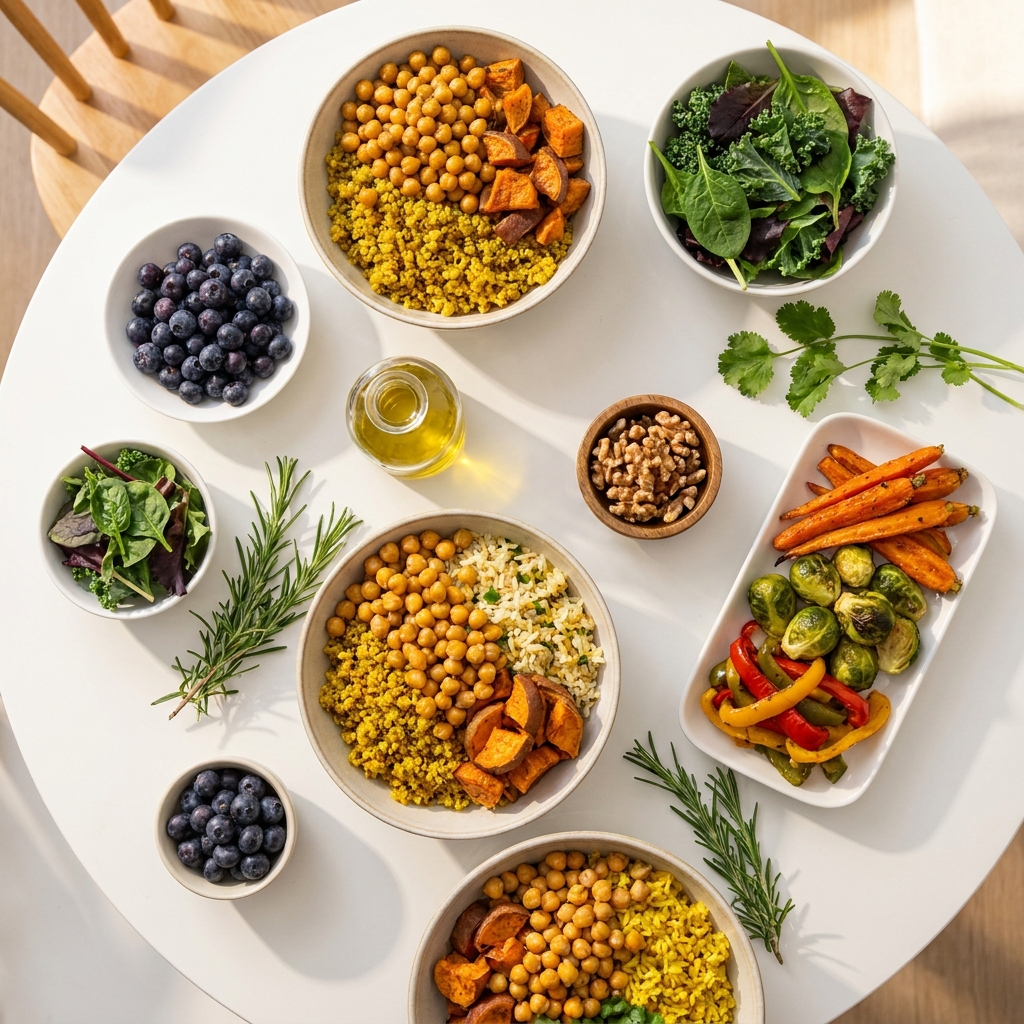
Anti-Inflammatory Diet Meal Plan: The DII-Scored 7-Day Blueprint for Longevity
Introduction: Why Your Diet’s Inflammatory Score Matters More Than Any Single Superfood
Chronic inflammation is linked to more than 50% of all deaths worldwide and is implicated in 1 in 5 cancers globally. Yet most anti-inflammatory advice stops at a food list. This article goes further by introducing a measurable framework: the Dietary Inflammatory Index (DII), a validated tool that allows individuals to evaluate and engineer their entire dietary pattern rather than chase individual superfoods.
This matters especially after age 40, when “inflammaging” (the chronic low-grade inflammation that accelerates with age) coincides with declining nitric oxide production, making a patterned dietary approach more urgent than ever. What follows is a 7-day DII-scored meal plan grounded in biochemistry and framed through a longevity and cardiovascular vitality lens. Some individuals notice improved energy within one to two weeks, but meaningful inflammatory marker changes typically require several weeks to months of consistent adherence. This is a pattern, not a quick fix.
Understanding the Dietary Inflammatory Index (DII): The Science Behind the Score
The DII quantifies the inflammatory potential of a diet on a continuous scale from -8.87 (maximally anti-inflammatory) to +7.98 (maximally pro-inflammatory), based on 45 food components. It is a peer-reviewed, clinician-used framework, not a proprietary wellness concept, and it scores the cumulative inflammatory load of an entire dietary pattern rather than isolated foods.
The mortality data is striking. The Multiethnic Cohort Study (PMC/NIH, n=150,405, 18+ years) found individuals in the highest DII quintile had 15 to 22% higher all-cause mortality, 13 to 29% higher CVD mortality, and 10 to 13% higher cancer mortality versus the lowest quintile. A 2025 Korean cohort (PMC/NIH, n=40,596) linked a higher pro-inflammatory index to a 45% increased risk of all-cause mortality, 41% higher cancer mortality, and 53% higher cardiovascular mortality. A cardiovascular meta-analysis found a 36% increased risk of CVD incidence and mortality, with an 8% increase for each one-point rise in DII score. The goal of this plan is to move a person’s cumulative DII score toward the negative end.
The Biochemistry of Food and Inflammation: What’s Actually Happening in the Body
Diet modulates three primary inflammatory pathways. Understanding them provides the rationale behind every food choice, which is precisely what makes long-term adherence possible.
NF-κB Inhibition: The Master Switch of Inflammatory Gene Expression
NF-κB is the master transcription factor that activates pro-inflammatory cytokine genes (IL-1β, IL-6, TNF-α). Key dietary inhibitors include curcumin, resveratrol, omega-3 fatty acids (EPA/DHA), EGCG from green tea, and quercetin. The PREDIMED trial found Mediterranean diet interventions produced significant reductions in IL-1β, IL-6, IL-8, TNF-α, IFN-γ, hs-CRP, and MCP-1 over three years. Ultra-processed foods, refined seed oils at high heat, and excess added sugars are potent NF-κB activators.
NLRP3 Inflammasome Suppression: Blocking the Inflammation Amplifier
The NLRP3 inflammasome is an intracellular sensor that triggers IL-1β and IL-18 release. High-dose fructose from sugary drinks (not whole fruit) is metabolized in the liver, generating uric acid and activating NLRP3, the same pathway implicated in gout, type 2 diabetes, and Alzheimer’s disease. Dietary suppressors include sulforaphane from cruciferous vegetables, omega-3s, polyphenols, and short-chain fatty acids (SCFAs). Dysregulated NLRP3 activation is a key driver of inflammaging.
SCFA Production and the Gut Microbiome: The Anti-Inflammatory Ecosystem Within
The gut microbiome is a critical mediator of systemic inflammation. A plant-based Mediterranean pattern promotes SCFA-producing bacteria such as Faecalibacterium prausnitzii and Roseburia hominis, which produce butyrate, propionate, and acetate. These strengthen intestinal tight junctions, reducing intestinal permeability and the translocation of bacterial lipopolysaccharides that trigger systemic NF-κB activation. A 2024 systematic review confirmed that a lower DII score is linked to favorable gut microbiome composition and diversity. Legumes, whole grains, leafy greens, berries, and fermented foods drive this process.
Inflammaging and the Post-40 Urgency: Why Timing the Dietary Shift Matters
Inflammaging is chronic, low-grade, sterile inflammation that accumulates with age. A 2025 Nature Aging study found it appears to be a byproduct of industrialized lifestyles, reinforcing diet as a modifiable lever. After 40, endothelial nitric oxide synthase (eNOS) activity declines, and inflammation further impairs the nitric oxide pathway, creating a compounding cycle of vascular dysfunction. An anti-inflammatory dietary pattern can interrupt this cycle. Dietary risk factors were linked to 6.58 million cardiovascular deaths globally in 2021. Individual triggers such as nightshade, gluten, or dairy sensitivity may warrant personalization within the framework.
The Anti-Inflammatory Diet Foundation: Foods That Move the DII Score
The Mediterranean pattern holds the strongest RCT evidence, confirmed by a 2025 umbrella review assessing 15 patterns across 225 studies. Highest adherence was associated with 20% lower hs-CRP, 17% lower IL-6, and 14% lower white blood cell counts.
Top Anti-Inflammatory Foods (DII-Negative Contributors)
- Fatty fish (salmon, sardines, mackerel): EPA/DHA, 2 to 3 servings weekly
- Extra virgin olive oil: oleocanthal inhibits COX enzymes similarly to ibuprofen
- Berries: anthocyanins and quercetin reduce IL-6 and CRP
- Leafy greens: dietary nitrates supporting nitric oxide bioavailability
- Cruciferous vegetables: sulforaphane suppresses NLRP3
- Walnuts and almonds: ALA, vitamin E, and polyphenols
- Turmeric with black pepper: potent NF-κB inhibitor
- Legumes and whole grains: fiber for SCFA production
- Fermented foods: a 2021 Stanford RCT found they reduced 19 inflammatory proteins
- Ginger and green tea: gingerols and EGCG
Foods That Raise the DII Score
Ultra-processed foods, refined seed oils at high heat, added sugars and sugar-sweetened beverages, excess alcohol, processed and red meats in excess, and refined grains all contribute to a higher DII score. The goal is reduction of the overall pattern, not elimination of any single food.
The 7-Day Anti-Inflammatory Meal Plan: DII-Scored Blueprint
Each day targets a primary mechanism while maximizing DII-negative components. Research shows this pattern reduces CRP, IL-6, and other markers within 4 to 8 weeks of adherence. For a quick reference on what to eat day-to-day, see this anti-inflammatory diet menu as a companion resource.
Day 1: Omega-3 and Polyphenol Foundation
Breakfast: Overnight oats with blueberries, flaxseed, walnuts, and raw honey. Lunch: Spinach-arugula salad with wild salmon, olives, and an EVOO-lemon dressing. Dinner: Baked salmon with roasted broccoli, quinoa, turmeric, and black pepper. Snack: Walnuts and green tea.
Day 2: Gut Microbiome and SCFA Focus
Breakfast: Greek yogurt with berries, flaxseed, and cinnamon. Lunch: Lentil-kale soup with turmeric-ginger broth and sourdough. Dinner: Tempeh stir-fry with bok choy, broccoli, and brown rice. Snack: Apple with almond butter.
Day 3: NF-κB Suppression and Cardiovascular Focus
Breakfast: Avocado toast with poached eggs and sliced tomatoes. Lunch: Farro bowl with artichoke, chickpeas, parsley, and EVOO. Dinner: Sardines on garlic spinach with roasted sweet potato. Snack: Berries with 70%+ dark chocolate.
Day 4: NLRP3 Suppression and Metabolic Inflammation
Breakfast: Spinach-mango-chia smoothie with ginger. Lunch: Black bean and roasted vegetable wrap with cabbage and avocado. Dinner: Turmeric-ginger chicken thighs with cauliflower and tabbouleh. Snack: Celery with hummus.
Day 5: Polyphenol Density and Cognitive Protection
The PREDIMED study demonstrated cognitive benefits, and a meta-analysis of 101,950 participants confirmed pro-inflammatory diets are associated with depression (OR 1.40). Breakfast: Matcha latte with berries, pomegranate, and hemp seeds. Lunch: Nicoise salad with tuna, eggs, and olives. Dinner: Baked mackerel with beet-walnut salad and edamame. Snack: Mixed nuts and ginger tea.
Day 6: Fiber Diversity and Microbiome Resilience
Breakfast: Savory oat bowl with mushrooms, poached egg, and spinach. Lunch: White bean and kale soup with rosemary. Dinner: Grilled shrimp skewers with quinoa tabbouleh, zucchini, and tahini-lemon sauce. Snack: Kefir with cinnamon.
Day 7: Integration Day
Breakfast: Smoked salmon on whole grain toast with avocado, capers, and red onion. Lunch: Mediterranean mezze plate with hummus, baba ganoush, and tabbouleh. Dinner: Lentil-vegetable tagine over cauliflower rice. Snack: Dark chocolate, berries, and green tea. This is a template, not a cleanse: the NIH/StatPearls 2026 edition confirms sustained adherence reduces chronic disease risk.
7-Day Meal Plan: At-a-Glance Summary
| Day | Primary Mechanism | Anchor Foods |
|---|---|---|
| 1 | NF-κB inhibition | Salmon, berries, walnuts |
| 2 | SCFA production | Lentils, yogurt, tempeh |
| 3 | Cardiovascular NF-κB | Sardines, garlic, farro |
| 4 | NLRP3 suppression | Cruciferous vegetables, turmeric, ginger |
| 5 | Neuroinflammation | Mackerel, matcha, pomegranate |
| 6 | Microbiome diversity | White beans, oats, shrimp |
| 7 | Full-spectrum | Lentils, salmon, mezze |
Batch-cooking lentils, grains, and roasted vegetables on Day 1 simplifies the remainder of the week. Meals can be swapped within categories (any fatty fish in place of salmon, for example) without altering the DII direction.
Anti-Inflammatory Grocery List
- Proteins: wild salmon, sardines, mackerel, tuna, shrimp, eggs, Greek yogurt, kefir, tofu, tempeh, lentils, chickpeas, black beans, white beans
- Vegetables: spinach, kale, arugula, broccoli, cauliflower, cabbage, beets, sweet potato, zucchini, mushrooms, celery, tomatoes, peppers, artichoke
- Fruits: blueberries, strawberries, raspberries, apples, avocado, lemon, lime, mango, pomegranate
- Grains and legumes: oats, quinoa, farro, bulgur, brown rice, sourdough, pita
- Fats and oils: EVOO, avocado oil, walnuts, almonds, chia seeds, flaxseed, hemp seeds, tahini, olives
- Herbs and spices: turmeric, black pepper, ginger, garlic, rosemary, cumin, coriander, cinnamon, parsley, cilantro
- Fermented foods: Greek yogurt, kefir, kimchi, sauerkraut, miso, tempeh
- Beverages and extras: green tea, matcha, herbal teas, plant milk, 70%+ dark chocolate
When shopping, check EVOO harvest dates, favor wild-caught fish, and note that frozen berries and spinach retain comparable polyphenol content to fresh.
Measuring Progress: Biomarkers That Reflect Dietary Inflammation
Most plans never address how to determine whether the approach is working. The following biomarkers are worth discussing with a healthcare provider: hs-CRP (target below 1.0 mg/L), IL-6, white blood cell count (a 2025 meta-analysis found 14% lower WBC with high adherence), fasting insulin and HbA1c, and a lipid panel with triglycerides. Establishing a baseline and retesting at 8 to 12 weeks provides a meaningful measure of progress. All testing should be conducted in partnership with a qualified provider.
Beyond the Plate: Lifestyle Pillars That Amplify Results
Sleep, exercise, and stress management modulate the same inflammatory pathways as diet. Sleep deprivation elevates CRP, IL-6, and TNF-α through NF-κB activation; 7 to 9 hours per night is the evidence-based target. Moderate-intensity exercise (150+ minutes per week) reduces CRP via myokine release — and for those looking to maintain strength alongside an anti-inflammatory lifestyle, building muscle over 60 offers complementary guidance on resistance training as we age. Stress management practices such as mindfulness reduce cortisol-mediated NF-κB activation. Together, these habits support eNOS function and nitric oxide bioavailability, creating a reinforcing cycle against inflammaging.
The Nitric Oxide Connection: How Reducing Inflammation Supports Vascular Vitality
Systemic inflammation, particularly elevated IL-6 and TNF-α, impairs eNOS activity and increases reactive oxygen species that inactivate nitric oxide. Leafy greens and beets provide dietary nitrates converted to nitric oxide via the salivary nitrate-nitrite-NO pathway, a process that depends on a healthy oral microbiome. Notably, antibacterial mouthwash eliminates the bacteria responsible for this conversion, blocking dietary nitrate’s contribution to nitric oxide production. Reducing inflammatory burden through diet while supporting nitric oxide bioavailability represents a comprehensive approach to cardiovascular vitality.
Frequently Asked Questions
How long until results? Improved energy may be noticed within one to two weeks; biomarker changes typically require 4 to 8 weeks, with the strongest evidence drawn from trials of three months or longer.
Food sensitivities? The plan is highly adaptable: substitute gluten-free grains for wheat, coconut yogurt for dairy, or omit nightshades without meaningfully altering the DII direction.
Vegetarian or vegan? Yes. Replace fish with algae-based omega-3 supplements and rely on legumes, tofu, tempeh, and hemp seeds for protein and essential fatty acids.
How does this differ from a standard Mediterranean diet? The DII adds a scoring dimension, quantifying inflammatory load for more precise dietary optimization.
Is all red meat off-limits? No. Limiting, rather than eliminating, is the goal. Occasional lean red meat (one to two servings weekly) does not significantly shift the overall DII.
Is coffee permitted? Yes. Coffee is one of the most studied anti-inflammatory beverages and is associated with reduced CRP and IL-6.
Does this affect mental health? A 2026 Frontiers in Nutrition review of 42 RCTs found strong evidence for reducing depression symptoms via the gut-brain axis. Understanding how genetic factors interact with diet and inflammation may also be valuable; the methylation map and genetic testing offers insight into how personalized approaches can further optimize preventive care.
Conclusion: From a 7-Day Blueprint to a Lifelong Pattern
This plan is not a cleanse but a structured introduction to a dietary pattern that, sustained over months, produces measurable biomarker reductions. The NIH/StatPearls 2026 edition confirms anti-inflammatory diets decrease morbidity and mortality from cardiovascular disease, type 2 diabetes, and certain malignancies. The goal is a cumulative pattern trending negative: more omega-3s, fiber, and polyphenols; fewer ultra-processed foods and added sugars. For adults over 40, this represents an active intervention against accelerating inflammatory burden and a foundation for vascular vitality at any age.
Ready to Support an Anti-Inflammatory Journey at the Cellular Level?
Reducing inflammation supports the endothelium, where nitric oxide governs vascular health. Dr. Nathan S. Bryan, Ph.D., has spent more than 30 years researching this molecule, publishing 94+ scientific papers and developing science-backed products through N1O1 designed to support nitric oxide bioavailability. These tools are intended to work alongside, not in place of, the dietary and lifestyle changes outlined here. Readers who have engaged with the science are invited to explore N1O1’s evidence-based approach to nitric oxide support as a complement to their anti-inflammatory pattern. This blueprint can serve as a recurring meal-planning reference or be shared with others who would benefit from a structured, science-grounded starting point.