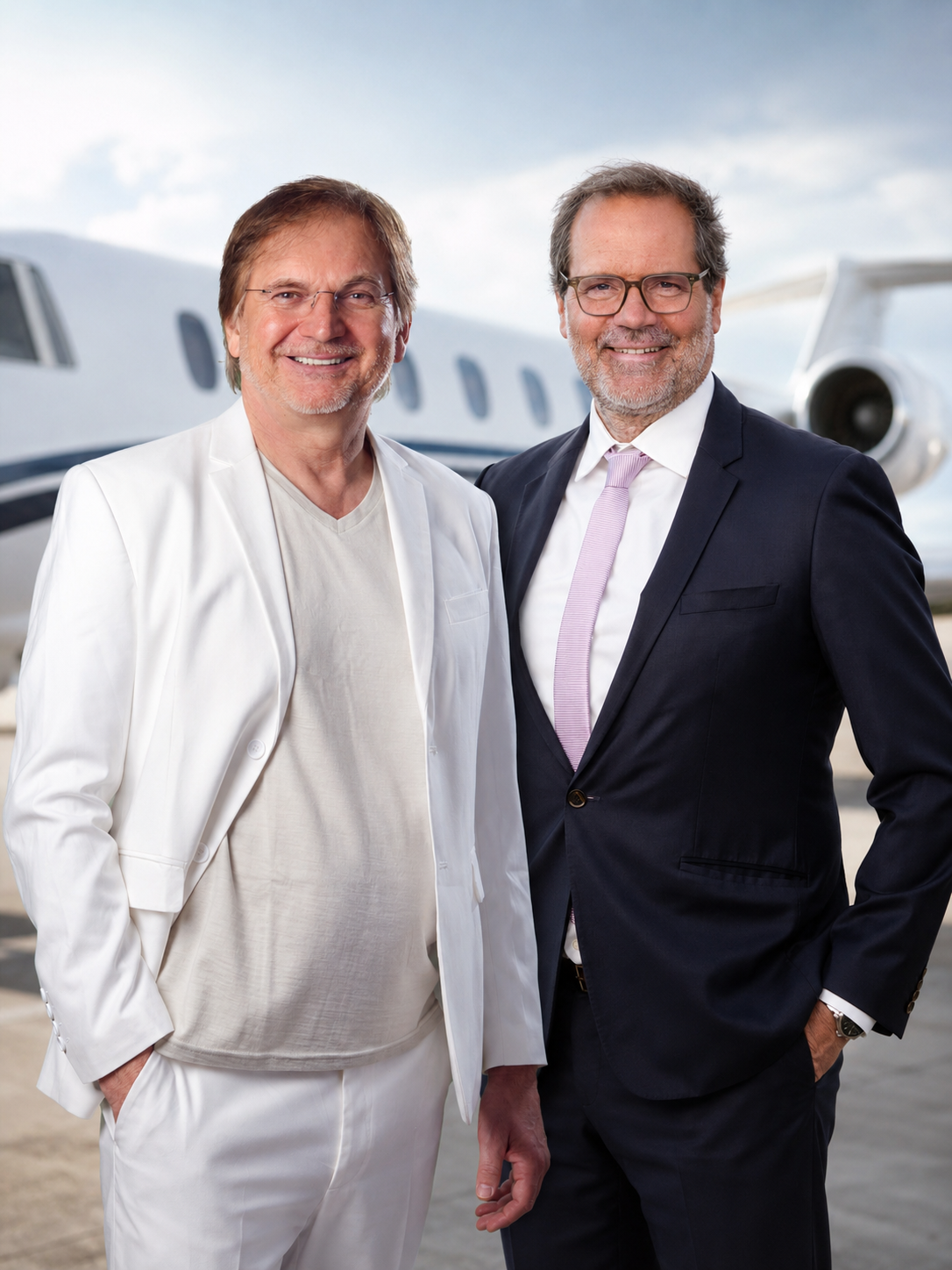
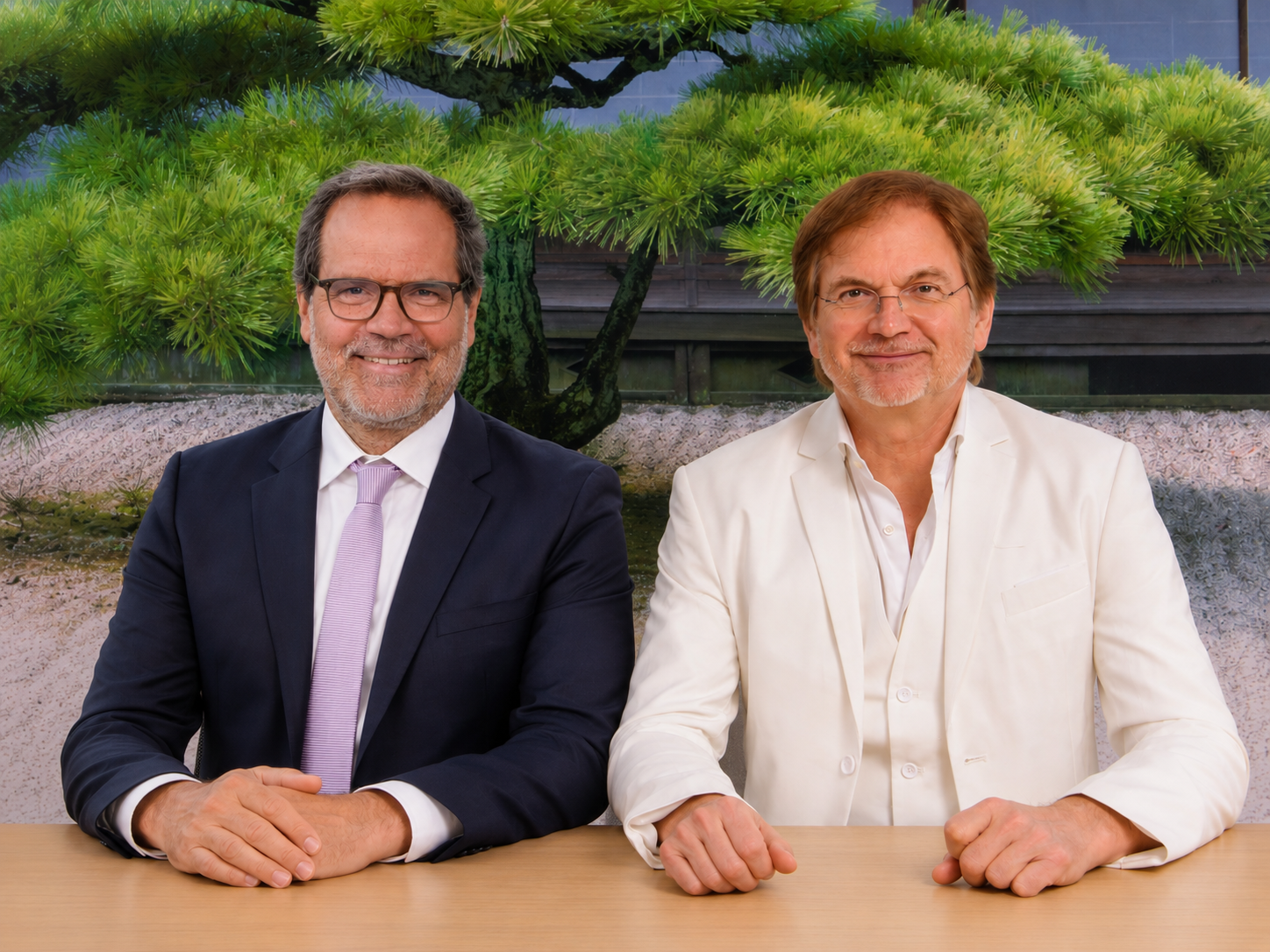
In a world where everything is constantly buzzing, rest has become a luxury, or even just a formality, for most of us. We spend our nights on our phones, wake up groggy, and live in a state of near-constant hyperactivity. For Alexis Labbé and Stéphane Krsmanovic, co-founders of PSiO USA Inc., this modern reality gave rise to a mission: to help everyone rediscover what we’ve all forgotten—how to truly relax.
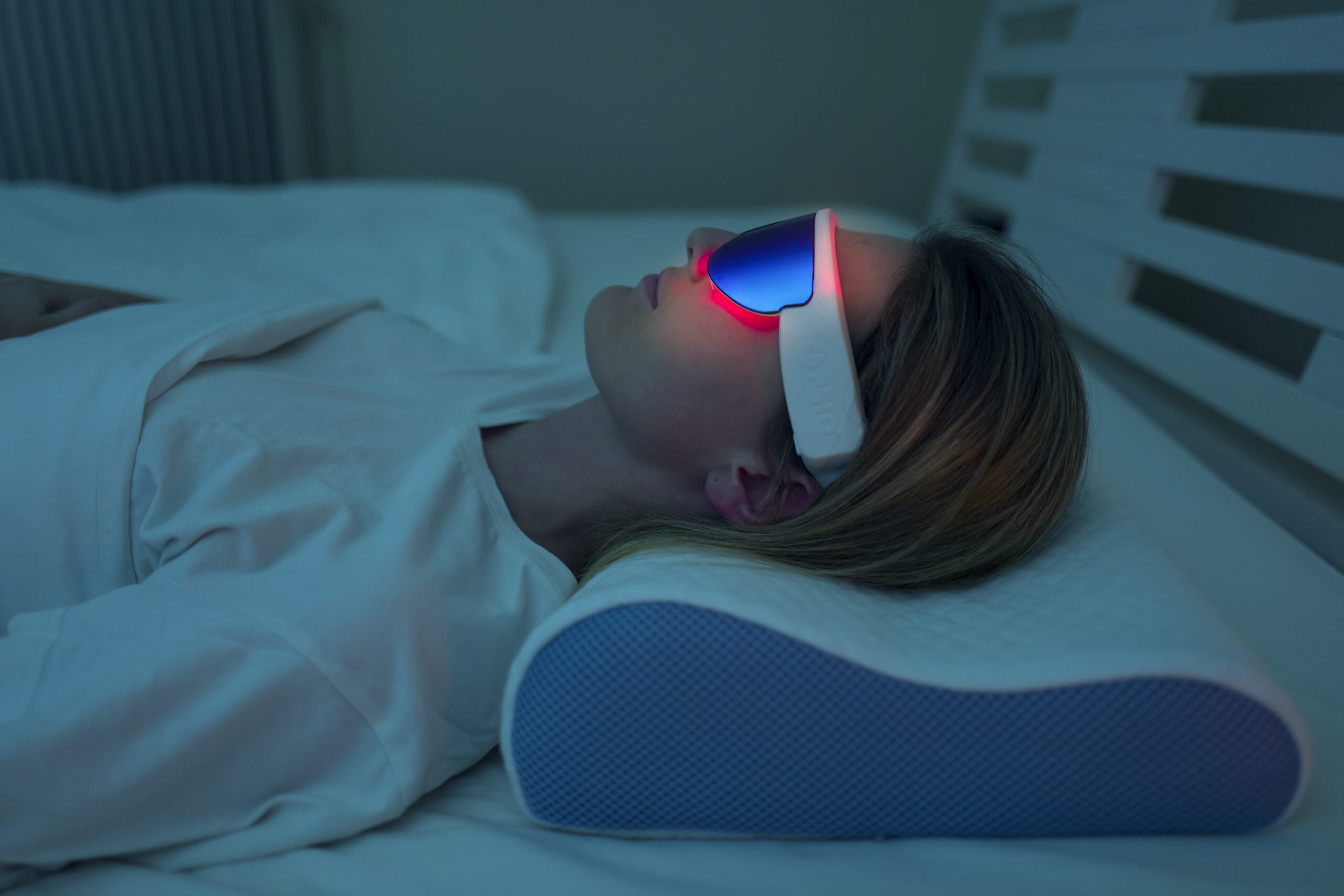
Their best-known creation, the PSiO relaxation glasses, combine light and sound, blending neuroscience with simplicity and offering a new tool for recovery tailored to the fast-paced rhythm of modern life. The name reflects this idea: PSI means “mind” in Greek, thus PSiO is meant to signify the “companion of the mind.”
“We are constantly exposed to stress. With PSiO, we wanted to create a simple, science-based solution for everyday use that helps the brain naturally regain its homeostatic rhythm.” Labbé and Krsmanovic stated.
A Vision Born From Experience
Long before they became pioneers in light and sound therapy, Labbé and Krsmanovic followed paths that reflected both scientific curiosity, entrepreneurial spirit, and personal struggle.
“When I was young, I had too much energy,” Krsmanovic admitted. “I tried several methods, but the idea of relaxing in front of a stranger, like a therapist or a coach, seemed even more complicated to me than doing it alone at home.”
Following his research at the University of Brussels as part of a PhD in psychology, he discovered the benefits of light therapy in combination with sounds and guided voices.
He then began working with elite athletes but ran into difficulties due to their frequent travel for competitions. It was this experience, gained through several events, that inspired him to innovate.
“I wanted to design a device that could accompany them on their travels when I couldn’t. The idea was that, when they needed to relax, they could easily use this device on the go—anywhere, anytime,” explained Krsmanovic. “I wanted to give them back the autonomy they needed to manage their stress at the competition venue.”
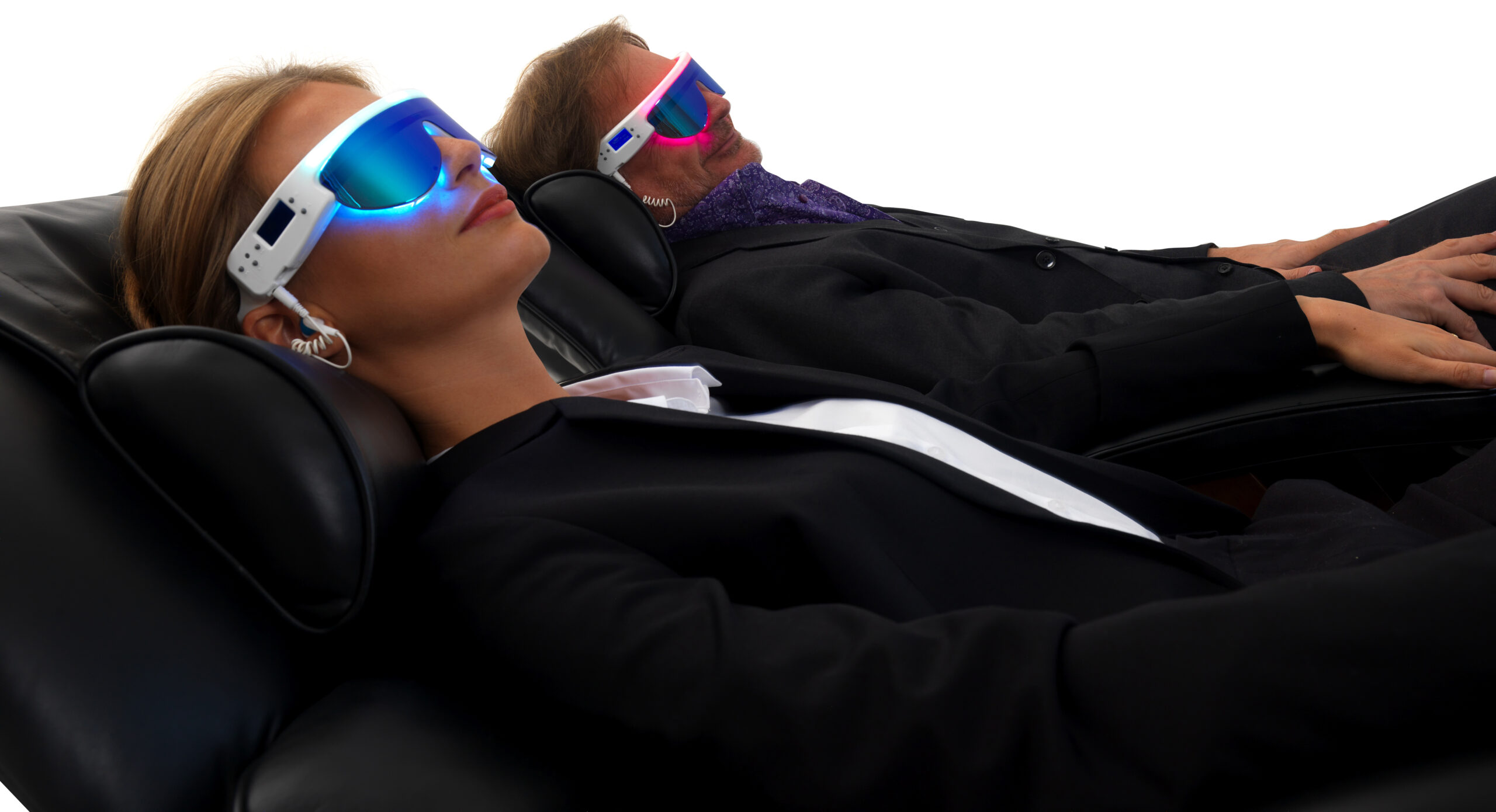
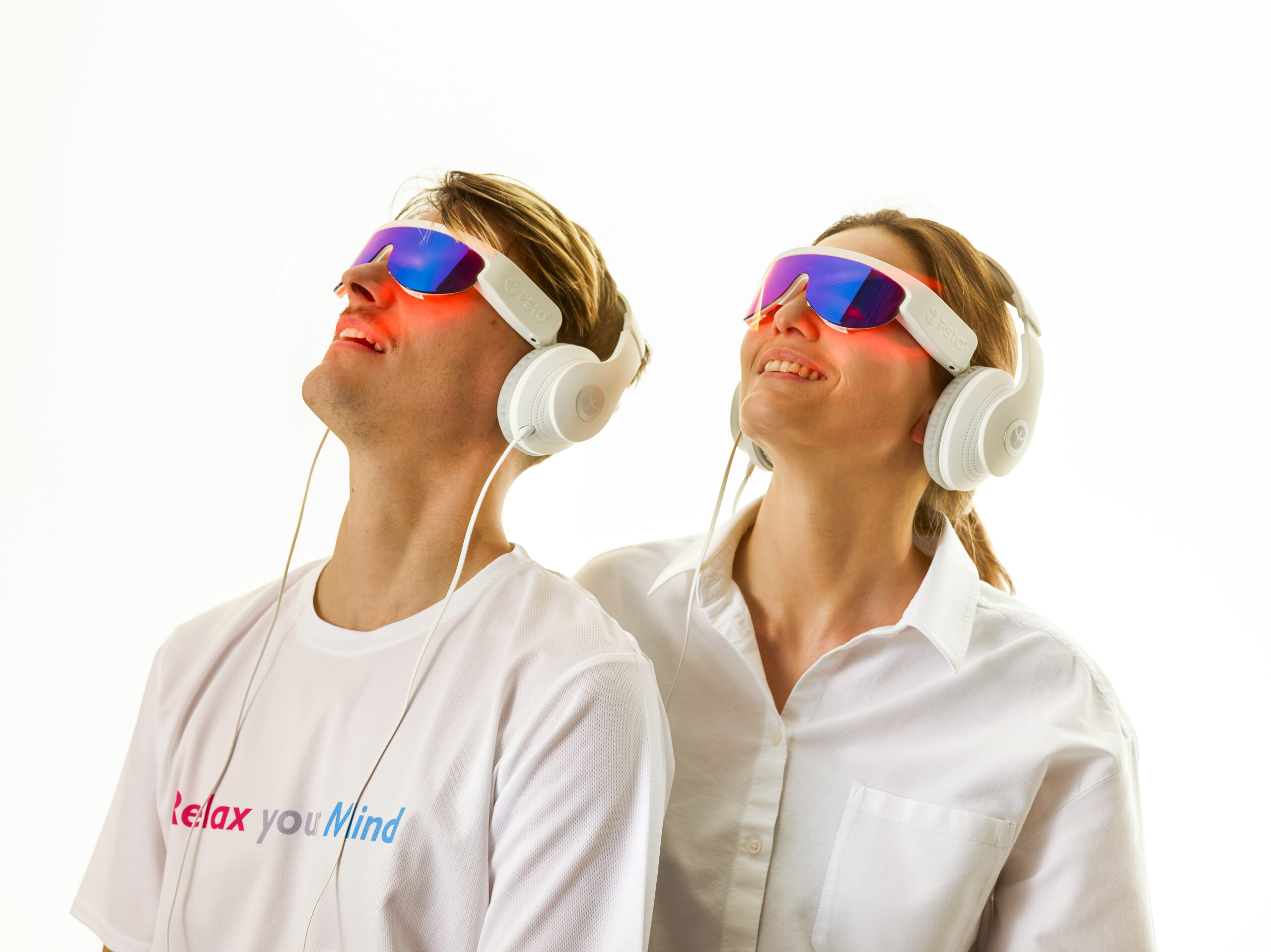
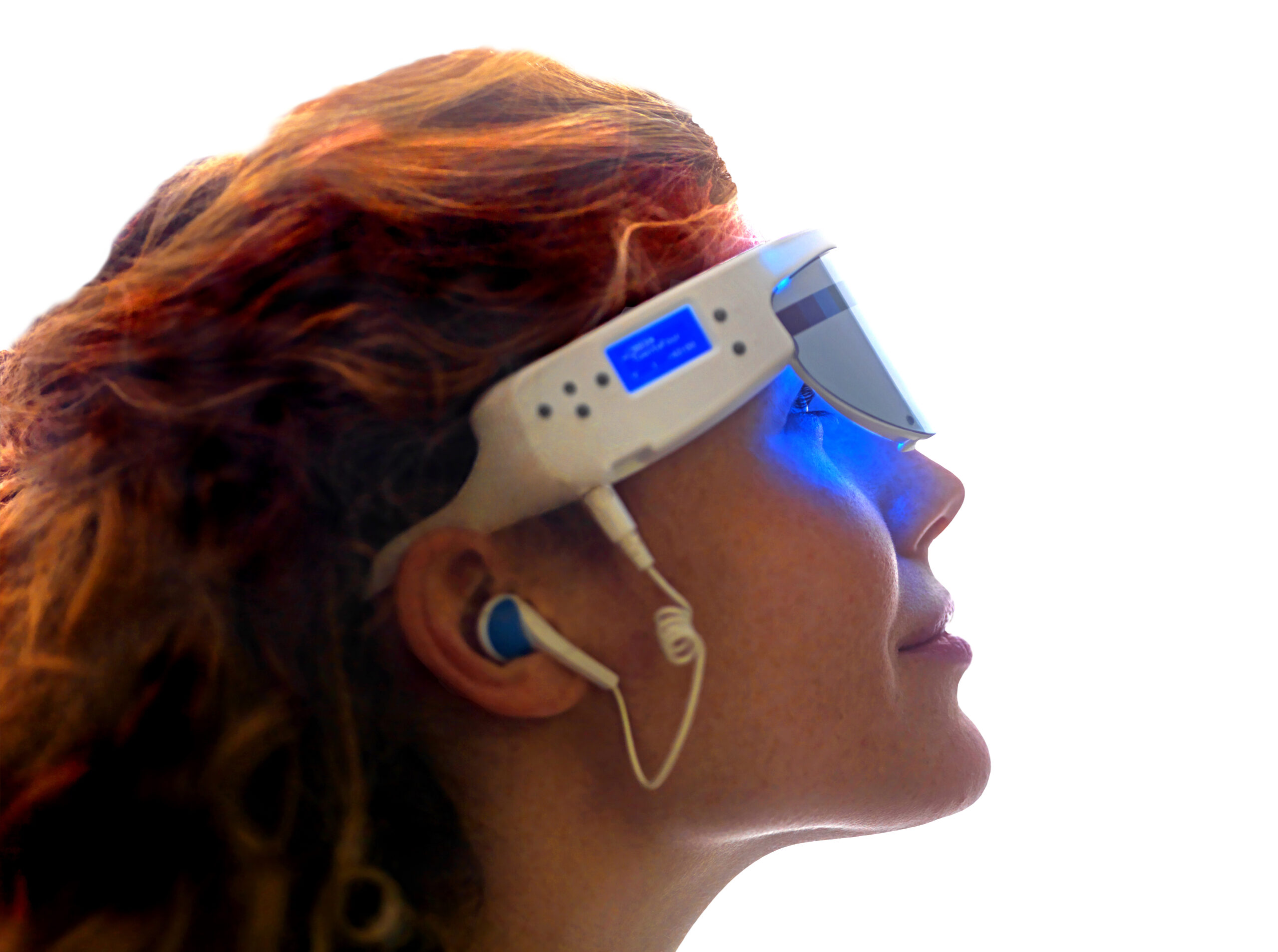
After years of research, PSiO was born. Among its many innovations, a pair of high-tech glasses was created to meet this goal. These glasses use synchronized audio and colored light pulses to help users manage stress, anxiety, jet lag, fatigue, or insomnia through short sessions that are often voice-guided.
The Science Behind Serenity
Each PSiO session combines specific light frequencies with audio tracks, ranging from relaxation and meditation to motivation and concentration training. A combination of red and blue lights stimulates the brain’s pineal gland, which regulates mood and circadian rhythms, while the audio simultaneously guides users toward states of calm or creativity.
“There are meditation sessions for beginners using non-pulsed light therapy, as well as pulsed light therapy sessions set to music, but the bulk of the lineup consists of guided relaxation sessions enhanced with pulsed light that distracts the attention,” Krsmanovic explained. “It’s a tool that helps the mind shift states naturally. You can go from stress to recovery, or from fatigue to energy, in just a few minutes.”
PSiO glasses are currently used not only by wellness enthusiasts and working professionals, but also in medical and therapeutic facilities across Europe. Hospitals, clinics, spas, and relaxation centers use them to support patients suffering from anxiety, burnout, sleep disorders, or those in recovery. The two founders emphasize that the device is designed as a complement to traditional medicine, not as a substitute.
“PSiO is not a gadget,” Labbé emphasized. “It’s a bridge between neuroscience and well-being. We want people to see it as a recovery tool, backed by research and years of experimentation.”
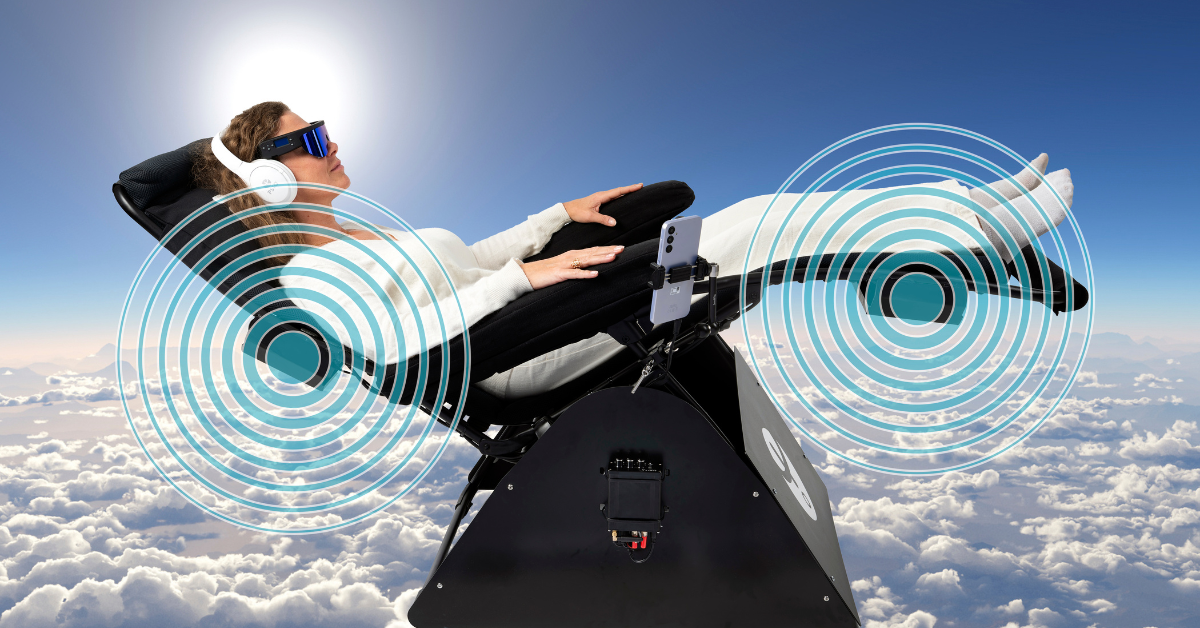
At a time when mindfulness apps and connected devices are proliferating, PSiO stands out for its multisensory approach and its focus on healthcare professionals. The PSiO glasses are unique in the U.S. market due to their optical process, which is completely safe even with the eyes open. Krsmanovic has also developed a chair that synchronizes sound vibrations with the glasses, creating relaxation sessions through voice and light. It is, therefore, a mind-body experience—a true journey back to one’s inner sanctuary.
Unique in the U.S.
Unlike traditional relaxation products, which focus primarily on audio or visual elements, PSiO combines them in real time with vibrations that permeate the entire body, creating a more immersive and physiologically effective experience.
Their programs are developed in collaboration with psychologists, doctors, and neuroscientists, ensuring that every frequency and audio script serves a specific purpose. For example, blue light combined with motivational messages can boost alertness, while softer amber tones, accompanied by soothing narration, prepare the brain for deep sleep. In Europe, PSIO technology has been used in sleep laboratories for over 20 years to help people fall asleep and analyze their sleep.
They found that while many products on the market promise relaxation, few collaborate directly with healthcare professionals and can guarantee the absence of side effects. This is what sets PSIO apart.
“We created special recordings with doctors and specific scripts,” said Krsmanovic. “From the very beginning, we observed that this process alleviates all stress-related disorders, of which insomnia and depression are the most common, and that anyone can use it safely.”
In Belgium, the Ministry of Health has approved the guided recordings, and the general practitioner’s manual recommends them to all doctors in the country. The Ministry has launched several campaigns using brochures to reduce the use of sleeping pills and antidepressants.
Wellness Trends and Future Outlook
As the two founders explained, perceptions of well-being are evolving rapidly: rest and relaxation are no longer considered a luxury, but a lifestyle necessity.
“We’re seeing that people are taking their mental health more seriously, especially since we now know that stress has an impact on some fifty functional disorders,” Labbé and Krsmanovic insisted.
This shift has paved the way for technologies like PSiO, which combine science, practicality, and accessibility. With growing interest in well-being, increasing health awareness, the importance of balanced circadian rhythms, and the rise of biohacking and neurotherapies, PSiO’s timing couldn’t be better.
Labbé shared that Europeans are known for incorporating relaxation into their lifestyle wherever possible. He noted that a shift is underway within companies, which are now seeking to set up stress-management spaces for their employees in their offices. The goal is to reduce costly absenteeism and invest in quality of life at work. This is why PSIO Technologies has developed a new concept for recovery: the “turbo-nap” (a combination of music enhanced by the new pulsed light therapy). Sessions last 10 to 20 minutes and provide mental clarity and a restorative break. This is due to the wavelength of the light used to stimulate all cognitive functions.
“Working eight hours a day in front of a screen makes it difficult to maintain the attention, energy, and concentration needed to be effective,” he stated. “That’s why many companies are now interested in investing in such a rejuvenation room; relaxation and stress management are a must here. This trend has become even more pronounced since the health crisis!”
Initially, more than 200 hospitals in France installed the technology for their staff. And now, PSIO technology is being adopted in various departments such as oncology, dialysis, anesthesiology, cardiology, and recovery rooms. One hospital reported a 25% reduction in postoperative complications.
Expansion into the United States: The Future of PSiO
Looking ahead, the founders have ambitious plans for growth and education.
“We are launching a medical study, supervised by a committee of experts, on the positive effects of PSiO technology,” said Labbé. “The next step is raising awareness. We need to help people understand that this isn’t just about relaxation, but about genuine neurological training for everyday life.”
Research remains a cornerstone of their work. Krsmanovic and his team are currently supporting clinical studies on the impact of light-sound synchronization on recovery times, sleep quality, and emotional stability.
“We hope to see PSiO integrated into schools, businesses, and the healthcare sector, just as it has been in France,” he said. “The more people learn to rest effectively, the better their performance, health, and well-being will be. In France, even health insurance companies have begun to adopt it.”
All of this development requires significant fundraising and the search for American partners. With this in mind, a comprehensive proposal is available to local venture capital firms.
A Mission of Balance
For Labbé and Krsmanovic, PSiO is more than just an everyday tool. It’s a lifestyle change with a place on everyone’s nightstand. In an era marked by overstimulation, their invention reminds us that true innovation often lies in helping the body remember what it already knows—in this case, how to rest, recover, and reset.
To learn more about PSiO, its other products, and to follow its progress, visit psiotech.com for more information.