Holistic Wellness Doctor Recommendations 2026: What Integrative Physicians Prescribe for Whole-Person Health
Introduction: Why Whole-Person Health Is the New Standard of Care in 2026
The numbers tell a story that medicine can no longer ignore. The global wellness economy reached a record $6.8 trillion in 2024 and is forecast to grow at 7.6% annually, approaching $9.8 trillion by 2029, according to the Global Wellness Institute. This is not a passing fascination. It reflects a fundamental shift in how people understand and pursue their health.
Yet the boom has created a problem. With wellness content flooding every screen, patients struggle to separate credible, physician-endorsed guidance from generic lifestyle advice and commercial marketing dressed up as medical insight.
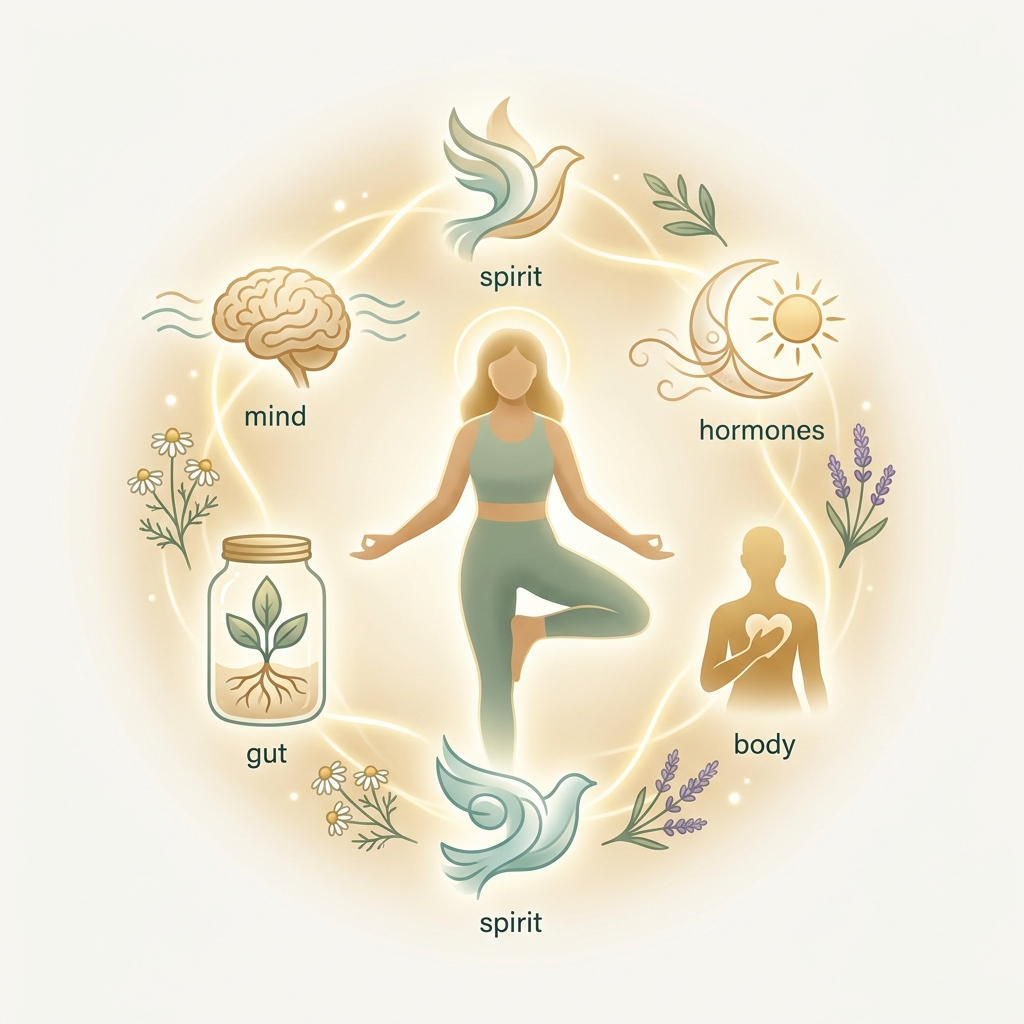
This article takes a different approach. Rather than offering definitions or broad categories, it presents what board-certified integrative and holistic physicians are actively recommending to real patients in 2026. These are actionable prescriptions, organized across five whole-person health domains: mind, body, gut, hormones, and spirit.
TopDoctor Magazine has long worked to bridge the gap between health-conscious consumers and verified physician voices. The recommendations that follow reflect the practices of licensed integrative MDs, DOs, NDs, and board-certified practitioners recognized by bodies such as the American Board of Integrative Medicine (ABOIM).
What Makes a Holistic Wellness Doctor in 2026? Credentials, Scope, and Philosophy
A holistic physician treats the whole person (mind, body, and spirit) with a preference for prevention before treatment. As the Cleveland Clinic explains, holistic doctors believe optimal health includes a balance of these dimensions and prefer to prevent disease first and treat it second.
Patients in 2026 typically encounter five primary types of holistic and integrative practitioners:
- Integrative MDs who blend conventional and complementary care
- Doctors of Osteopathic Medicine (DO)
- Naturopathic Doctors (ND)
- Chiropractors (DC)
- Functional medicine practitioners
When evaluating credentials, one stands out. The American Board of Physician Specialties operates the American Board of Integrative Medicine (ABOIM), the only multi-specialty certifying board in the United States to offer integrative medicine board certification. This is a key credential patients should look for.
Mainstream legitimacy continues to grow. The American Academy of Family Physicians officially endorses evidence-based integrative approaches alongside conventional care. Institutional investment is rising as well. The Andrew Weil Center for Integrative Medicine at the University of Arizona is actively accepting applications for its Fall 2026 to 2028 Fellowship cohort, a 1,000-hour, two-year program training the next generation of integrative physicians.
The defining 2026 shift is from reactive to preventive care. Advanced lab testing, including hormone panels, microbiome analyses, metabolic profiles, and biomarker tracking, is now used to identify risk factors before symptoms appear. Virtual care has expanded access as well, with platforms offering consistent appointments, progress tracking, and adjusted treatment plans, making credentialed holistic care more available than ever.
Domain 1: Mind — What Holistic Doctors Prescribe for Mental and Emotional Wellness
In 2026, integrative physicians treat mental and emotional health as measurable, prescribable, and inseparable from physical outcomes. This is a clinical priority, not a soft add-on. The destigmatization of mental wellness has driven innovation, and meditation apps, therapy chatbots, and VR-based stress reduction are now physician-adjacent tools recommended in clinical settings.
Physician Recommendations for Mind Health
- Mindfulness-based stress reduction (MBSR): Integrative physicians routinely prescribe structured mindfulness programs as a first-line intervention for anxiety, chronic stress, and cognitive fatigue.
- Breathwork protocols: Specific techniques such as diaphragmatic breathing, box breathing, and the 4-7-8 method are prescribed for nervous system regulation, a growing focus among functional medicine practitioners.
- Cognitive behavioral therapy (CBT) integration: UCLA Health integrative specialists combine CBT with complementary therapies as part of whole-person mental health plans.
- Emotional fitness: An emerging concept distinct from mental health treatment, emotional fitness is a proactive practice of building resilience through journaling, somatic exercises, and community connection.
- Digital mental wellness tools: Physicians increasingly recommend curated apps and AI-powered coaching platforms as between-session support, particularly for patients managing chronic stress or burnout.
- Sleep as a mental health lever: The gut-brain-sleep connection means mind health recommendations never exist in isolation, a theme that carries directly into the body domain.
Domain 2: Body — Movement, Recovery, and Physical Optimization Prescriptions
Holistic physicians in 2026 prescribe movement as medicine, with specificity, personalization, and recovery treated as equal pillars alongside exercise intensity. Longevity has moved from niche biohacking to mainstream lifestyle, blending metabolic optimization, functional nutrition, strength training, and restorative sleep.
Physician Recommendations for Body Health
- Strength training as a longevity prescription: Integrative physicians now universally recommend resistance training two to four times per week as a primary intervention for metabolic health, bone density, hormonal balance, and cognitive function.
- Zone 2 cardiovascular training: Low-intensity aerobic work targeting fat oxidation and mitochondrial efficiency is a physician-recommended staple in 2026 longevity protocols.
- Thermal and contrast therapies: Cold plunges, saunas, and infrared baths combined with breathwork or meditation are recommended for their effects on inflammation, recovery, and mood regulation. Patients interested in this area can explore more about the benefits of ice baths as part of a broader recovery strategy.
- Acupuncture: Referenced by both UCLA Health and the Cleveland Clinic as an integrative service offered alongside conventional care for pain, stress, and systemic health.
- Yoga and tai chi: Prescribed for mobility, stress reduction, and nervous system balance, particularly for patients with chronic pain or autoimmune conditions.
- Sleep optimization: The global sleep tech market is projected to grow from $26.6 billion to $58.2 billion, with wearables and AI tools tracking HRV, sleep stages, and recovery. Physicians now prescribe sleep tracking as part of physical health management.
- Personalized exercise prescriptions: Physicians use metabolic profiles and wearable data to tailor movement recommendations rather than applying generic guidelines.
Domain 3: Gut — Microbiome Optimization and Digestive Health Prescriptions
Gut health is a 2026 clinical priority backed by hard science. The gut produces over 90% of the body’s serotonin, and a diverse microbiome supports better metabolic, immune, and emotional health. The Institute for Functional Medicine emphasizes how sleep dysfunction, inflammation, and gut dysbiosis are clinically interconnected, reinforcing the whole-person framework.
Physician Recommendations for Gut Health
- Dietary fiber targets: Integrative physicians recommend 25 to 38 grams of dietary fiber daily and 30 or more diverse plant types weekly to support microbiome diversity.
- Microbiome testing: Advanced stool and microbiome analyses are now prescribed as baseline diagnostics to identify dysbiosis, leaky gut, and pathogen overgrowth before symptoms escalate.
- Personalized nutrition plans: Physicians use microbiome data alongside food sensitivity testing and metabolic profiles to prescribe individualized dietary protocols, moving beyond generic dietary advice. Learning how to use food as your medicine is a foundational principle in this approach.
- Fermented foods and prebiotics: Physicians recommend naturally fermented foods (kimchi, kefir, sauerkraut) and prebiotic-rich foods (garlic, onion, leeks, asparagus) as daily gut-support practices.
- Elimination protocols: Structured elimination diets, such as removing gluten, dairy, and processed sugars, serve as diagnostic and therapeutic tools for chronic inflammation, fatigue, or digestive complaints.
- Medicinal mushrooms: Lion’s Mane, Reishi, and Chaga are gaining physician attention for their beta-glucans and triterpenes, with growing scientific interest in cognitive function, immune modulation, and gut health.
- Mind-gut connection: Physicians prescribe breathwork and meditation specifically as gut health interventions, citing the bidirectional gut-brain axis as clinical rationale.
Domain 4: Hormones — Balancing the Body’s Chemical Messengers
Integrative physicians address hormonal health proactively, not only when symptoms such as fatigue, weight gain, or mood changes become severe. The 2026 approach is data-driven: advanced blood panels measuring insulin resistance, inflammation markers, cortisol rhythms, thyroid function, sex hormones, and metabolomics are now standard in holistic practices.
Physician Recommendations for Hormonal Health
- Comprehensive hormone panel testing: Physicians prescribe baseline and periodic panels including cortisol, DHEA, estrogen, progesterone, testosterone, thyroid (TSH, T3, T4), and insulin as preventive diagnostics.
- Cortisol and stress hormone management: Adaptogenic herbs (ashwagandha, rhodiola, holy basil), sleep optimization, and stress reduction protocols are prescribed to regulate HPA axis dysregulation.
- Insulin sensitivity optimization: Strength training, time-restricted eating, and low-glycemic nutrition are prescribed together for patients showing early metabolic dysfunction.
- Thyroid support: Physicians assess thyroid function beyond TSH alone and prescribe dietary interventions (selenium, iodine, zinc), stress management, and gut health support.
- Sex hormone balance: Estrogen dominance, low testosterone, and perimenopause or andropause are addressed through lifestyle-first protocols before considering bioidentical hormone therapy.
- Circadian rhythm alignment: Light exposure management (morning sunlight and blue light reduction at night), consistent sleep-wake schedules, and meal timing are prescribed as hormonal regulation tools.
The market context reinforces this demand. The global complementary and alternative medicine (CAM) market for anti-aging and longevity is expected to grow at an 18.34% CAGR from 2026 to 2033, reaching $397.22 billion, reflecting mainstream appetite for the optimization protocols holistic physicians now prescribe.
Domain 5: Spirit — Purpose, Connection, and Meaning as Clinical Prescriptions
Integrative medicine’s definition of whole-person health explicitly includes spiritual and existential wellbeing, not as religious prescription, but as a measurable dimension of health outcomes. Global Wellness Institute data cited in the ACHS 2026 outlook shows that organizations prioritizing whole-person wellbeing report 55% lower turnover and 31% higher productivity, evidence that purpose-driven wellbeing carries quantifiable impact.
Physician Recommendations for Spiritual and Purposeful Wellbeing
- Community and social connection: Physicians prescribe intentional community engagement, citing loneliness as a clinical risk factor comparable to smoking in its impact on longevity.
- Purpose-driven living: Integrative physicians assess patients’ sense of meaning during intake and may recommend values clarification exercises, volunteer work, or creative pursuits.
- Nature immersion and ecotherapy: Time in natural environments is prescribed for stress reduction, cortisol regulation, and mood improvement.
- Meditation and contemplative practices: Beyond stress reduction, meditation supports self-awareness, emotional regulation, and a sense of connection to something larger than oneself.
- Gratitude and positive psychology: Structured gratitude journaling and positive psychology exercises serve as daily prescriptions for emotional resilience.
- Faith and spiritual community: Holistic physicians respect and incorporate patients’ existing spiritual frameworks as assets in healing, a key differentiator from conventional medicine’s secular-only approach.
- Emotional fitness: Proactive emotional and spiritual conditioning, distinct from therapy, is gaining traction as a physician-endorsed practice in integrative medicine circles.
How to Find and Evaluate a Holistic Wellness Doctor in 2026
Finding a credentialed practitioner in a crowded market requires informed guidance. The following framework helps patients evaluate their options effectively.
Key credentials to look for: ABOIM board certification, fellowship training such as the Andrew Weil Center program, licensure as an MD, DO, ND, or DC, and membership in professional bodies like the Institute for Functional Medicine.
Questions to ask a prospective doctor:
- Do you use advanced diagnostic testing such as hormone panels, microbiome analysis, and metabolic profiles?
- How do you integrate conventional and complementary care?
- Do you offer ongoing monitoring and adjusted treatment plans?
Telehealth and virtual care: Online platforms now deliver consistent appointments, progress tracking, and adjusted treatment plans, making ongoing holistic care more accessible.
Red flags to avoid: Practitioners who dismiss conventional medicine entirely, lack verifiable credentials, or recommend expensive supplement protocols without diagnostic rationale.
TopDoctor Magazine serves as a trusted editorial resource, connecting health-conscious consumers with verified physician voices through featured profiles, awards recognition, and editorial content spotlighting credentialed integrative practitioners. With the integrative medicines market projected to grow from $15.7 billion in 2024 to $46.9 billion by 2030 at a 20% CAGR, informed consumer guidance has never mattered more.
The 2026 Holistic Wellness Landscape: Market Forces Driving Physician-Led Whole-Person Care
The physician recommendation framework sits within a powerful market context. The global wellness economy hit $6.8 trillion in 2024 and is forecast to reach $9.8 trillion by 2029, with traditional and complementary medicine ranking as the second fastest-growing sector at 10.8% annual growth.
The United States is the world’s largest wellness market at $2.1 trillion, according to GWI data on 145 countries, with 84% of US consumers naming wellness a top or important priority. This creates substantial demand for credible physician guidance.
Employers are responding as well. Industry research reports that strategic wellness investments are delivering a 3:1 long-term ROI as organizations build holistic ecosystems featuring mental health support, flexible scheduling, movement breaks, and sleep-friendly policies. Data-driven wellness has become the norm, with biomarker tracking, AI-powered coaching, and advanced blood panels personalizing care at scale. ACHS reports that integrative health, valued at $6.3 trillion in 2023, is projected to reach $9.4 trillion by 2028, cementing its role as a core driver of healthcare innovation.
Conclusion: Whole-Person Health Is Not a Trend — It Is the Future of Medicine
Mind, body, gut, hormones, and spirit are not separate health categories. They are interconnected systems that holistic physicians treat as a unified whole. The practices outlined here are not wellness influencer tips; they are evidence-informed prescriptions from board-certified integrative and holistic physicians actively practicing in 2026.
With the global wellness economy at $6.8 trillion and the integrative medicines market growing at 20% annually, the mainstream adoption of whole-person care is no longer a future possibility. It is the present reality. Patients who find a qualified holistic physician, ask the right questions, and engage with credentialed care can meaningfully improve their outcomes across all five domains. For those interested in the broader picture of health span vs lifespan in longevity medicine, this whole-person framework provides a strong foundation.
TopDoctor Magazine remains committed to bridging the gap between healthcare providers and patients through credible, physician-verified content, empowering readers to make well-informed decisions. As integrative medicine becomes increasingly mainstream, the patients who thrive will be those who seek out whole-person care from credentialed physicians and the platforms that connect them.
Connect With a Holistic Wellness Physician Through TopDoctor Magazine
Ready to take the next step in whole-person health? Explore TopDoctor Magazine’s featured profiles of board-certified integrative and holistic physicians, a trusted directory for finding credentialed whole-person health practitioners.
Subscribe to the TopDoctor Magazine biweekly newsletter for ongoing physician-endorsed wellness guidance, integrative medicine news, and emerging health trends delivered straight to your inbox.
Healthcare professionals practicing integrative or holistic medicine are invited to connect with TopDoctor Magazine for editorial features, awards nominations, and profile opportunities.
Practitioners who know an outstanding holistic or integrative physician making a real difference in whole-person care are encouraged to nominate that practitioner for a TopDoctor Magazine award or feature.
In a crowded and often unregulated wellness marketplace, TopDoctor Magazine maintains its commitment to journalistic integrity, accuracy, and relevance, making it a reliable source for physician-verified wellness guidance.