Clean Towels & Healthy Aging: The Inside-Out Skin Science Guide
Introduction: Why Your Face Towel and Your Stem Cells Are Both Part of the Same Aging Story
In 2026, the conversation around aging skin has fundamentally shifted. Board-certified dermatologists at institutions like Mount Sinai are declaring an end to the era of chasing the next viral ingredient. As one put it, the goal is now “building skin health that lasts.” This is the year of skin longevity, and that means thinking about aging in layers rather than quick fixes.
Many readers arrive at the topic of clean towels healthy aging because they have heard about a specific, clinically tested product designed to protect and nourish mature skin. That curiosity is well placed. External hygiene tools like glycerin-infused disposable towels address one important layer of the skin aging story. The premise of this guide, however, is that healthy aging skin requires a second, deeper layer of support that no towel can provide.
This article covers both. First, the external science: bacteria, barrier function, and the skin microbiome. Then, the internal cellular gap: stem cell decline, inflammaging, and tissue repair. Bridging both worlds is STEMREGEN®, a brand built around supporting the body’s innate repair system. It is not a replacement for good hygiene; it is the internal complement that completes the picture.
What Is Clean Towels® Healthy Aging? The Product Behind the Search
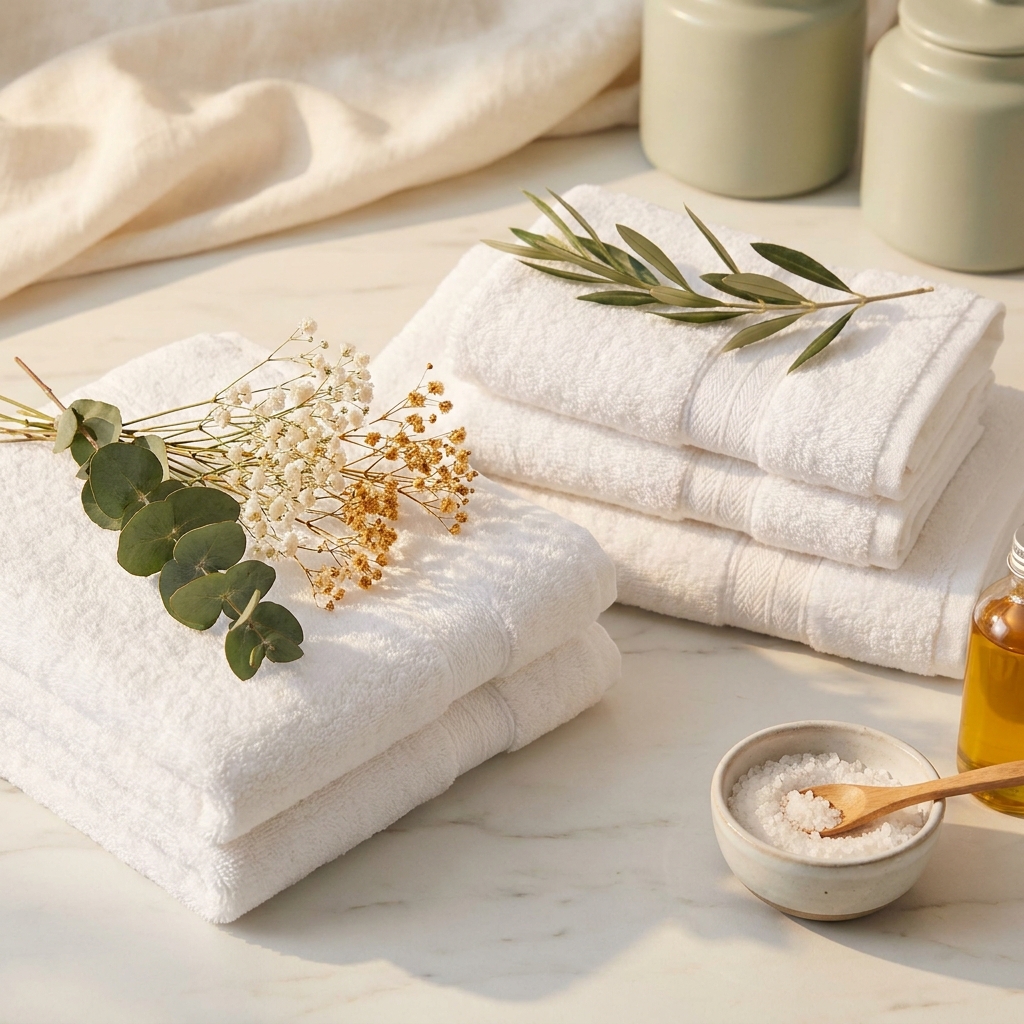
Clean Towels® Healthy Aging is a product by Clean Skin Club: disposable, single-use, bio-based face towels infused with glycerin and designed specifically for mature skin. Unlike standard disposable towels that focus purely on hygiene, the addition of glycerin (a clinically validated humectant) actively supports the skin’s moisture barrier with every use.
The product is backed by a clinical study of 35 women aged 40 to 65 who used the towels twice daily. Participants saw clinically graded improvements in fine lines, firmness, texture, and hydration over 6 to 12 weeks, confirmed through clinical grading, instrumental measurements, and self-assessment.
Clean Skin Club reports over 3,000,000 satisfied customers worldwide, with the Healthy Aging variant representing the evolution of its viral original. This fits a booming category: the disposable facial towel market was valued at $2.31 billion in 2025 and is projected to reach $4.37 billion by 2034 at a 7.2% CAGR, driven by hygiene awareness and the integration of skincare ingredients.
This product addresses real, measurable surface-level concerns. Understanding why it works, however, requires understanding what is actually happening to aging skin, and that story goes much deeper than the towel itself.
The External Aging Problem: What Happens to Your Skin’s Surface Over Time
Skin hydration declines significantly with age. Clean Skin Club cites a drop from roughly 100% hydration in the 20s to approximately 55% by the 70s, and peer-reviewed research confirms that dry skin affects around 40% of older adults.
The culprit is the stratum corneum, the outer skin barrier. With age, lipid production slows, cell turnover decreases, and moisture retention weakens, creating a progressively compromised barrier. A 2024 study of older adults (mean age 83.6 years) found that daily moisturizer use and exercise level were statistically significantly associated with increased stratum corneum hydration. Consistent external habits matter, even in advanced age.
This creates what can be called barrier-accelerated aging: a compromised barrier causes dehydration, sensitivity, and inflammation, which in turn accelerate visible aging. That makes barrier-supportive hygiene tools a functional anti-aging intervention, not merely a comfort measure. The 2026 consensus from sources like IMAGE Skincare agrees: the most effective anti-aging routines now prioritize barrier integrity and microbiome balance above all else.
The Hidden Threat in Your Bathroom: What Reusable Towels Are Doing to Aging Skin
Reusable towels harbor significant bacterial loads. Research shows bacteria can survive and grow deep in towel fibers even after washing, with large colonies forming after just 60 days of use. Pathogens like Staphylococcus and Candida thrive in damp fibers and transfer back to skin with every use.
Dermatologist Joshua Zeichner warned in a January 2026 HuffPost feature that washcloths “can be a breeding ground for microorganisms if they are left out wet and reused” and can irritate the skin. The risk compounds with age: after 65, the skin’s protective oils decrease, the microbiome changes, minor injuries heal more slowly, and weaker immune responses reduce the body’s ability to fight microbial transfer.
Regular towels also strip natural oils and moisture, leading to tightness, dryness, and accelerated visible aging. Single-use towels are designed to solve exactly this problem, and it is a real one. Eliminating bacterial transfer, however, is only the beginning of the aging story.
Why Glycerin Makes a Meaningful Difference for Mature Skin
Glycerin works as a humectant, drawing moisture from the environment and deeper skin layers into the stratum corneum to counteract age-related moisture loss. A study in Acta Dermato-Venereologica found that glycerol application effectively hydrates skin, improves barrier function and mechanical properties, and decreases HLA-DR expression in keratinocytes, thereby reducing inflammation.
That anti-inflammatory effect is especially relevant for mature skin, where chronic low-grade inflammation (inflammaging) is a primary driver of visible aging. Glycerin also supports faster wound healing, which is valuable for aging skin prone to micro-damage and slower recovery. For women 40 and over, glycerin-infused towels deliver both hygiene protection and active barrier support simultaneously. That anti-inflammatory benefit also hints at a deeper system these products interact with: the skin microbiome.
The Skin Microbiome: The Invisible Ecosystem That Ages Alongside You
The skin microbiome is the community of trillions of microorganisms living on the skin’s surface, playing a critical role in immunity, barrier function, and inflammation regulation. With age, it changes: reduced microbial diversity, loss of beneficial metabolites, and increased oxidative stress all contribute to inflammaging.
Research published in MDPI’s International Journal of Molecular Sciences (October 2025) found that microbial dysregulation in aging skin leads to oxidative stress, matrix metalloproteinase (MMP) activation, and barrier disruption, collectively accelerating wrinkle formation. A 2025 Annals of Dermatology review noted that pollutants, harsh products, and aging disrupt microbial balance, while a 2024 Frontiers in Physiology review mapped the pattern of dysbiosis with advancing age.
As Duke University professor Julia Oh, PhD, observed in September 2025: “If we can reinforce the skin microbiome, we may be able to slow or even reverse some of the physiologic decline associated with frailty.” By eliminating bacterial transfer from contaminated fibers, single-use towels help preserve existing microbial balance, a meaningful but partial intervention.
The Inflammaging Connection: How Skin Inflammation Becomes a Systemic Aging Problem
Inflammaging is the chronic, low-grade systemic inflammation now recognized as a hallmark of biological aging. The skin both reflects and contributes to this process. A ClinicalTrials.gov study (NCT06750653) is actively investigating whether age-associated skin barrier decline drives systemic inflammaging, testing whether topical moisturizers can reduce serum inflammatory cytokines (TNF-alpha, IL-1alpha, IL-1beta, IL-6) in older adults.
The relationship is bidirectional: a compromised barrier allows inflammatory signals into the bloodstream, and systemic inflammation impairs the skin’s ability to repair itself, creating a feedback loop. A 2026 MDPI Cosmetics review covering the “Skinspan™” framework from Mayo Clinic Proceedings (2025) frames chronic inflammation as a hallmark of aging that must be addressed at multiple levels.
The critical insight is this: external hygiene tools can reduce inflammatory inputs entering through the skin, but they cannot address the internal cellular machinery that determines how well the body repairs that inflammation. This is the gap.
The Internal Gap: What No Towel Can Fix
Everything covered so far addresses what happens at the skin’s surface. Skin aging, however, is also driven by what happens inside the body at the cellular and stem cell level.
The Harvard Stem Cell Institute frames skin aging as “a form of wounding” in which stem cells no longer maintain normal skin thickness, strength, function, and hair density. As the body ages, circulating stem cells decrease, the bone marrow releases fewer in response to damage, and innate repair capacity diminishes. The result is slower collagen repair, reduced skin thickness, impaired wound healing, and diminished ability to replace damaged cells. No topical product can reverse this.
A 2025 PMC review in Frontiers in Bioengineering and Biotechnology confirms that skin aging is a complex interplay of internal and external factors, with stem cell therapy and growth factors holding promise for repairing damaged tissue and stimulating collagen production. The core argument is straightforward: clean towels protect the surface; stem cell support repairs from within. Both are necessary.
Mesenchymal Stem Cells and Skin Aging: The Science of Inside-Out Repair
Mesenchymal stem cells (MSCs) are multipotent stem cells found in bone marrow and other tissues that serve as the body’s primary repair workforce. An April 2025 paper in Current Stem Cell Reports (Springer Nature) found that MSCs and their derivatives enhance skin regeneration through paracrine signaling and extracellular vesicle release, demonstrating efficacy in enhancing elasticity, reducing oxidative stress, and regulating inflammatory responses.
Paracrine signaling means stem cells communicate with surrounding tissues by releasing molecules that instruct cells to repair and regenerate, even without direct contact. Because MSCs regulate inflammation systemically, supporting circulating stem cell levels can help break the inflammaging feedback loop. This process of releasing stem cells from bone marrow into circulation is called endogenous stem cell mobilization (ESCM), and it declines with age. This is precisely the gap STEMREGEN® was designed to address.
STEMREGEN®: Supporting Healthy Aging from the Inside Out
STEMREGEN® was founded in 2016 by Christian Drapeau, MSc, a neurophysiologist with 30-plus years in medical research and 20-plus years dedicated to stem cell science. He pioneered the concept of Endogenous Stem Cell Mobilization and coined the term. Rather than introducing external stem cells, STEMREGEN® products support the body’s innate ability to release and mobilize its own stem cells from bone marrow.
The line uses a three-mechanism approach that mirrors the complexity of aging:
- Release (the flagship): a clinically tested blend with proprietary ingredients documented to increase circulating stem cells, including StemAloe® (+80%), SeaStem™ (+35%), and StemAFA™ (+25%).
- Signal: addresses inflammaging from within by reducing excess cytokines and supporting COX-2 and 5-LOX inhibition, targeting the same inflammatory pathways the BIA Study investigates at the skin barrier.
- Mobilize: supports stem cell delivery using fibrinolytic enzymes, Ginkgo Biloba, and microcirculation-supporting botanicals, ensuring mobilized stem cells reach skin tissue and other sites of damage.
STEMREGEN® is not a competitor to clean towels or topical skincare. It is the internal layer that completes a comprehensive healthy aging strategy, providing what the towel cannot.
Building a Complete Healthy Aging Strategy: Outside In and Inside Out
A practical, science-backed model has four layers:
- Hygiene and barrier protection (external): Eliminate bacterial transfer with single-use towels, protect the microbiome, and use glycerin-infused tools to support moisture barrier function.
- Topical barrier and microbiome support (external): Consistent daily moisturizer use, microbiome-friendly formulations, and avoidance of harsh products.
- Systemic inflammation management (internal): Address the inflammaging cycle through diet, lifestyle, and targeted supplementation.
- Stem cell mobilization and cellular repair (internal): Support the body’s innate repair system so circulating stem cells are available to repair tissue, maintain collagen, and respond to daily micro-damage.
These layers are complementary, not competitive. The 2026 skin longevity trend, as covered by Who What Wear and Personal Care Insights, is explicitly moving toward holistic, multi-level approaches. Consumers already investing in clean towels healthy aging products are demonstrating exactly the right mindset and are well positioned for the next layer.
Who Benefits Most from the Inside-Out Approach
- Adults 40 to 65 already using or considering Clean Towels® Healthy Aging, who are primed for a deeper conversation about cellular aging.
- Individuals seeing visible aging signs despite consistent topical routines, who may be missing the internal layer.
- Adults 65 and older, for whom a weakened barrier, slower immunity, and reduced stem cell activity make both layers especially critical.
- Biohackers and longevity enthusiasts who think in terms of systems biology.
- Staying active and healthy as you age is equally relevant for athletes and active individuals who understand cellular repair in the context of recovery.
- Healthcare practitioners and integrative medicine professionals counseling patients on healthy aging.
Conclusion: Clean Towels Are a Smart Start, But Healthy Aging Goes Deeper
Clean towels healthy aging products like Clean Towels® Healthy Aging by Clean Skin Club represent a scientifically valid, clinically tested approach to protecting the skin’s surface: eliminating bacterial transfer, supporting barrier function, and preserving microbiome balance.
The science of skin aging, however, does not stop at the surface. Harvard Stem Cell Institute research, peer-reviewed MSC studies, and emerging inflammaging research all confirm that the body’s internal cellular repair capacity is equally determinative of how skin ages. Comprehensive healthy aging requires both layers: external hygiene and barrier protection on the outside, and stem cell mobilization and inflammation management on the inside.
The dermatology and wellness communities are converging on exactly this multi-level, prevention-first approach. Readers already thinking about clean towels healthy aging are ahead of the curve. The next step is understanding what happens beneath the surface and taking action at the cellular level.
Ready to Support Your Skin from the Inside Out? Discover STEMREGEN®
Readers can explore the full product line at STEMREGEN®, the internal complement to any external skincare routine. The ideal entry point is STEMREGEN® Release, the clinically tested stem cell mobilization formula with documented increases in circulating stem cells, backed by 20-plus years of research by founder Christian Drapeau, MSc.
For a complete approach, the Daily Repair Protocol (Release + Signal + Mobilize) addresses all three mechanisms: stem cell release, inflammatory signaling, and microcirculation. All initial orders are backed by a 30-day money-back guarantee.
Those who want to learn more first can read Cracking the Stem Cell Code by Christian Drapeau ($25) or explore STEMREGEN®’s educational blog, science videos, and podcasts. Healthcare practitioners can request a practitioner discovery call (led by Hannah Bryant and Dalton Lins) and access wholesale pricing.
Contact: stemregen.co | care@stemregen.co | (833) 525-9243 | 10am to 6pm CT.