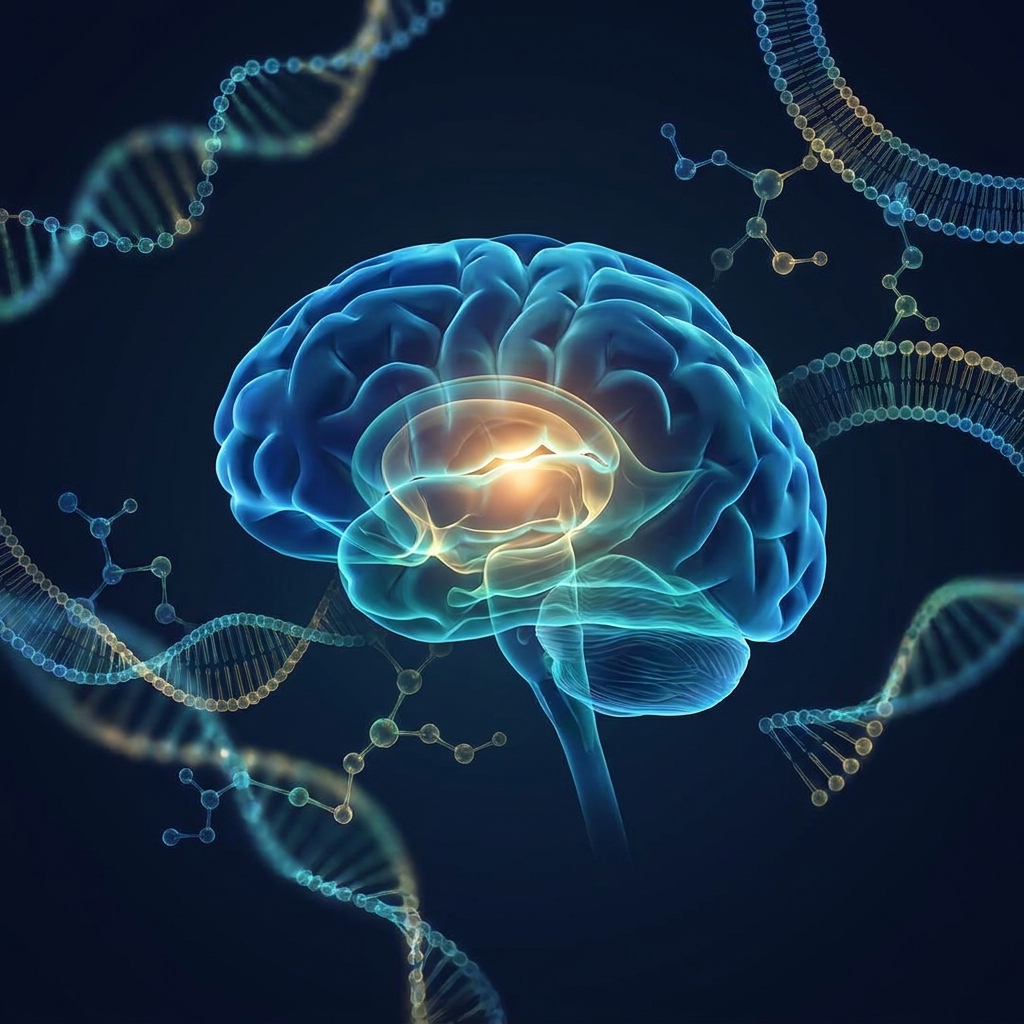
Magnesium Supplements for Brain Health: What They Do and What They Miss
Introduction: Why Magnesium Has Become a Brain Health Staple
Consumer interest in cognitive support has never been higher. The global brain health supplements market reached approximately $12.56 billion in 2025 and is projected to grow to nearly $35 billion by 2035, expanding at a compound annual rate of about 11%. Within this booming category, magnesium supplements for brain health have emerged as one of the most discussed and recommended options, especially among older adults. People aged 50 and above spend more than $93 million every month on supplements marketed for cognitive support.
The interest is far from baseless. Magnesium serves as a cofactor in more than 300 enzymatic reactions essential for energy generation, neuromuscular function, and nervous system health. Yet roughly 50% of the US population fails to meet the recommended daily intake, and about 30% of people globally fall short. For many, magnesium supplementation represents a correction of a widespread nutritional deficit rather than simply a performance booster.
This article delivers a two-part promise. First, it honestly validates what magnesium, particularly magnesium L-threonate, genuinely does for the brain. Second, it reveals a foundational gap that magnesium alone cannot address: the structural integrity of neuronal membranes.
What Magnesium Actually Does in the Brain
Magnesium’s influence on the brain begins with its role as a biochemical workhorse. As a cofactor in over 300 enzymatic reactions, it supports ATP production, neurotransmitter synthesis, and the regulation of neuronal excitability. Without adequate magnesium, the brain’s energy and signaling systems operate under strain.
Its most celebrated cognitive function involves the NMDA (N-methyl-D-aspartate) receptor, a molecular gatekeeper of synaptic plasticity and memory formation. Magnesium acts as a voltage-dependent channel blocker, preventing excessive calcium from flooding into neurons. When intraneuronal magnesium is elevated, NMDA receptor activity is fine-tuned, promoting increased synaptic density in the hippocampus and prefrontal cortex: the regions most critical for learning and memory.
Animal research reinforces this picture. Elevated brain magnesium increases the percentage of synapses with medium postsynaptic density, a configuration associated with optimized learning and memory performance. Observational studies also link inadequate magnesium intake with accelerated biological aging and a higher risk of neurodegenerative disorders.
Not All Magnesium Supplements Reach the Brain
The form of magnesium is decisive. The blood-brain barrier is highly selective, allowing only certain compounds into neural tissue. A supplement that raises blood magnesium does not automatically raise brain magnesium.
Common forms illustrate the problem. Magnesium oxide offers poor bioavailability. Magnesium citrate absorbs well systemically but penetrates the brain only modestly. Magnesium glycinate is well tolerated and calming but is not optimized for neural delivery. Against these stands magnesium L-threonate (MgT/Magtein®).
Developed in 2010 by Dr. Guosong Liu and colleagues at MIT and Tsinghua University, MgT emerged after screening more than 2,000 magnesium formulations for optimal brain penetration. It uses L-threonic acid, a natural vitamin C metabolite, as a carrier molecule to deliver magnesium more effectively to neural tissue.
It is worth noting transparently that while MgT is described as crossing the blood-brain barrier more effectively, the exact transport mechanism remains under investigation, and much of the mechanistic data comes from animal models. That said, regulatory confidence is growing: Magtein® received EU Novel Food authorization in 2024, signaling tightening standards for brain health ingredients.
The 2026 Clinical Evidence: What the Latest Research Shows
The most compelling recent data comes from a 2026 randomized, double-blind, placebo-controlled trial by Lopresti and Smith, published in Frontiers in Nutrition. In this study, 100 adults taking 2,000 mg of magnesium L-threonate daily for six weeks experienced a 7.5-year improvement in function-based estimates of cognitive age compared to placebo.
The cognitive gains were specific. Participants showed statistically significant improvements on the List Sorting Working Memory (LSWM) test and a strong trend toward improvement on the Picture Sequence Memory Test (PSMT), results consistent with effects on synaptic plasticity and hippocampal function. The same trial also found that Magtein® significantly improved sleep-related impairment scores (p<0.05), with the greatest benefits among participants who had poorer baseline sleep, alongside improved heart-rate variability.
Independent causal evidence arrived through a 2025 Mendelian randomization study spanning more than 250,000 individuals, which used human genetic data to support magnesium’s brain-specific role rather than mere association. A separate 2025 study confirmed Magtein’s ability to enhance hippocampal BDNF and reduce amyloid-beta accumulation, two markers of long-term brain health. A 2024 systematic review and meta-analysis broadened the evidence base further.
In fairness, limitations exist. Several trials are single-site, carry relatively small sample sizes, and some involve industry-funded research: nuances often absent from competitor content.
Additional Benefits Beyond Memory: Sleep, Mood, and Neuroprotection
Magnesium’s reputation extends past memory. A 2024 study documented improved subjective mood parameters within 7 to 14 days of MgT supplementation, an underreported emotional regulation benefit.
The sleep improvements from the 2026 trial also deserve emphasis. Better sleep architecture supports memory consolidation, creating a synergistic loop between magnesium’s synaptic and sleep effects. Meanwhile, a 2025 mouse study in Brain Research found MgT protective against blood-brain barrier disruption in a model of autoimmune neurological disease, broadening its neuroprotective potential. Combined with its BDNF-enhancing and amyloid-beta-reducing effects, magnesium presents a genuinely meaningful and evidence-supported profile.
The Gap Magnesium Cannot Fill: Neuronal Membrane Integrity
Magnesium works at the level of synaptic signaling and receptor activation, but synapses do not float in isolation. They are embedded within neuronal membranes whose structural integrity is equally critical to brain function.
The brain’s ability to form, maintain, and transmit signals depends not only on the chemistry at synapses but on the physical architecture of the membranes housing them. This raises a key question: what maintains the structural foundation of neuronal membranes, and what happens when that foundation degrades?
Consider an analogy. Magnesium optimizes the electrical wiring of the brain, but the insulation and scaffolding around that wiring require an entirely different class of molecules.
Plasmalogens: The Structural Lipids the Brain Depends On
Those molecules are plasmalogens, a specialized class of phospholipids. They are not a passing trend but a foundational structural component of cell membranes, comprising roughly 18 to 20% of total phospholipids in the body. In the brain, their dominance is striking: ethanolamine plasmalogens make up approximately 60 to 80% of total ethanolamine phospholipids in gray and white matter.
Plasmalogens serve multiple roles. They maintain structural membrane integrity, provide antioxidant defense by being preferentially oxidized to protect other lipids, support mitochondrial function, and modulate cell signaling. While magnesium L-threonate targets synaptic density through intraneuronal magnesium elevation, plasmalogens operate at a more foundational level: they form the structural matrix within which synaptic machinery sits. A 2025 multi-omics review in Frontiers in Aging Neuroscience noted that the brain relies heavily on glycerophospholipids and sphingolipids, including plasmalogens, for structural integrity and function.
What Happens When Plasmalogen Levels Decline
Plasmalogen levels naturally decline with age, particularly after 50, creating a structural vulnerability that magnesium cannot offset. Loss of ethanolamine plasmalogens is linked with aging and Alzheimer’s disease, with the greatest decreases observed in the hippocampus and frontal cortex: the very regions where magnesium’s benefits are most pronounced.
A troubling feedback loop drives the problem. Amyloid-beta reduces plasmalogen levels, and reduced plasmalogen levels increase gamma-secretase activity, producing still more amyloid-beta. Reduced plasmalogens have been found in patients with Alzheimer’s disease, Parkinson’s disease, multiple sclerosis, ME/CFS, and some long COVID patients, suggesting a causal role rather than mere correlation. Encouragingly, a 2022 Frontiers in Molecular Biosciences study showed plasmalogen supplementation eliminated aging-associated synaptic defects and microglia-mediated neuroinflammation in aged mice, which performed better cognitively.
The implication is clear: if plasmalogens are declining and compromising membrane structure, synaptic optimization through magnesium is working on a weakened foundation.
Magnesium and Plasmalogens: Complementary, Not Competing
These two are not rivals. Plasmalogens provide the membrane architecture (the building), while magnesium optimizes the signaling activity within it (the electrical systems inside). Stacking magnesium L-threonate, which targets synaptic density and NMDA receptor function, with plasmalogen support, which targets membrane integrity and antioxidant defense, addresses the brain health puzzle more completely than either alone.
This complementary framing is missing from virtually all competitor content, which treats the two as separate topics. Research on combined protocols is still emerging, but the logical rationale for a comprehensive approach is compelling for those who have focused on magnesium alone.
How Prodrome Science Approaches the Membrane Health Gap
Prodrome Science was founded specifically on the science of plasmalogen deficiency and neuronal membrane health, grounded in over 30 years of lipid and metabolomic research by Dr. Dayan Goodenowe, PhD. Dr. Goodenowe was the first to design, invent, patent, and develop targeted plasmalogen precursors, distinguishing this approach from generic phospholipid supplements.
The company offers two primary product lines with distinct targeting. ProdromeNeuro™ / PlasmalogenN3™ delivers an Omega-3 (DHA) plasmalogen precursor aimed at gray matter, while ProdromeGlia™ provides an Omega-9 (oleic acid) precursor targeting white matter. These precursors supply 900 mg of plasmalogens per serving, far above other products on the market cited at 0.5 mg to 4 mg per capsule, and are engineered to bypass gut degradation for better absorption.
For a data-driven approach, the ProdromeScan™ test measures plasmalogen levels alongside more than 40 biomarkers. The PC+ line (Glia PC+ and Neuro PC+) features plasmalogen-enriched egg yolk oil, with egg yolk-derived PC claimed to be biochemically identical to human PC and capable of crossing the blood-brain barrier.
Conclusion: Building a More Complete Picture of Brain Health
Magnesium supplements, especially magnesium L-threonate, offer genuine, clinically validated benefits for synaptic density, working memory, sleep quality, and neuroprotection, supported by the 2026 Frontiers in Nutrition RCT and a growing evidence base. Yet magnesium operates at the level of synaptic signaling and cannot address the structural integrity of the membranes housing those synapses, a gap that widens with age as plasmalogen levels decline.
A truly comprehensive approach attends to both layers: synaptic chemistry, where magnesium excels, and membrane architecture, where plasmalogens are foundational. With deficiency affecting half of US adults, magnesium supplementation remains a legitimate consideration, but a single nutrient tells only part of the story. As brain health science matures, the conversation is shifting from individual nutrients to the full biochemical ecosystem that supports cognition.
These statements have not been evaluated by the Food and Drug Administration. These products are not intended to diagnose, treat, cure, or prevent any disease.
Ready to Go Beyond Magnesium? Explore the Science of Plasmalogen Health
Those curious about their own plasmalogen status can explore the ProdromeScan™ biomarker test as a starting point for personalized brain health assessment. Those interested in supplementation can consider ProdromeNeuro™ / PlasmalogenN3™ for gray matter support and ProdromeGlia™ for white matter support.
For a deeper understanding of the lipid science behind cognition, Prodrome Science offers educational resources including Dr. Goodenowe’s book Breaking Alzheimer’s. Health professionals interested in offering plasmalogen testing and protocols to patients can explore Prodrome’s practitioner membership and ProfessionalPLUS program.
The next step is simply learning more and taking a data-driven approach to brain health.
These statements have not been evaluated by the Food and Drug Administration. These products are not intended to diagnose, treat, cure, or prevent any disease.