Thyroid Health Doctor Advice: When Symptoms Are Really a Misdiagnosis in 2026
Introduction: The Hidden Epidemic Behind Millions of Misdiagnoses
Approximately 20 million Americans have some form of thyroid disease, yet up to 60% remain completely unaware of their condition. This staggering statistic from the American Thyroid Association reveals a hidden epidemic that continues to affect millions of lives in 2026.
The central crisis facing patients and physicians alike is clear: thyroid dysfunction, particularly hypothyroidism, is routinely misdiagnosed as anxiety, depression, or generalized psychiatric disorders. This diagnostic confusion delays effective treatment by months or even years. A 2025 case report published in PMC documented a 32-year-old woman who suffered through 10 months of misdiagnosis with generalized anxiety disorder before her hypothyroidism was finally identified.
This article provides expert-backed thyroid health doctor advice on recognizing symptoms, understanding diagnostic gaps, and knowing when to seek specialist care. Readers will learn about symptom overlap with psychiatric conditions, critical lab reference ranges, the emerging gut-thyroid axis research, AI diagnostics, and functional medicine perspectives. By the end, patients will possess actionable knowledge to advocate for their own thyroid health in 2026.
Understanding Thyroid Disease: Scope, Prevalence, and Who Is Most at Risk
More than 12% of the U.S. population will develop a thyroid condition during their lifetime, making thyroid disease one of the most common endocrine disorders. The gender disparity is striking: women are 5 to 8 times more likely than men to develop thyroid problems, with autoimmune thyroid disease prevalence approximately twice as high in women.
Adults over 60 represent the highest-risk demographic, with prevalence reaching 15.4%. Unfortunately, symptoms in this age group are frequently dismissed as normal aging. The two primary thyroid disorders are hypothyroidism (underactive thyroid) and hyperthyroidism (overactive thyroid). Hashimoto’s thyroiditis, an autoimmune condition, is the most common cause of hypothyroidism in the United States, while Graves’ disease is the most common cause of hyperthyroidism.
Thyroid cancer, while rare overall, is one of the most common cancers in young adults. According to National Cancer Institute SEER data, an estimated 44,020 new U.S. cases were diagnosed in 2025. Thyroid disorders also have a hereditary component, making family history discussions with physicians essential.
The Thyroid-Mental Health Misdiagnosis Crisis: What Doctors Are Seeing in 2026
The core diagnostic problem is deceptively simple: thyroid dysfunction produces symptoms that closely mirror psychiatric conditions, leading clinicians to treat the wrong disorder entirely. A 2025 PMC study on anxiety symptoms in hypothyroidism documented the troubling pattern of patients receiving psychiatric diagnoses before thyroid testing is ever ordered.
Several institutional and systemic factors contribute to this misdiagnosis crisis. Time-pressured appointments, symptom-based psychiatric screening tools, and over-reliance on TSH-only panels all play a role. Functional medicine practitioners argue that standard TSH-only testing misses a significant subset of thyroid dysfunction, particularly in patients with subclinical or autoimmune presentations.
Interestingly, the Institute for Functional Medicine notes that Dr. Michael Ruscio found approximately 37% of people on thyroid hormone medication could discontinue it while maintaining normal levels. This suggests that over-diagnosis also occurs. Both endocrinologists and functional medicine doctors advocate for ruling out endocrine conditions before assigning psychiatric diagnoses.
Hypothyroidism Symptoms That Mimic Anxiety and Depression
Hypothyroidism presents with a constellation of symptoms that can easily be mistaken for mental health conditions:
- Extreme fatigue
- Depression
- Forgetfulness and brain fog
- Weight gain
- Cold intolerance
- Dry skin
- Slow heart rate
- Constipation
- Muscle weakness
These symptoms, particularly fatigue, cognitive slowing, and mood changes, align closely with depression and generalized anxiety disorder criteria. Brain fog and persistent fatigue on levothyroxine therapy, even with normal TSH, remain top patient complaints and represent a significant unmet clinical need.
According to the Cleveland Clinic, untreated hypothyroidism can lead to mood disorders, peripheral neuropathy, increased cardiovascular risk, infertility, and in extreme cases, myxedema coma.
Important: Patients who have been prescribed antidepressants or anti-anxiety medication without thyroid testing should ask their doctor about a full thyroid panel.
Hyperthyroidism Symptoms That Are Mistaken for Panic Disorder or Mania
Hyperthyroidism presents its own set of symptoms that mimic psychiatric conditions:
- Irritability and nervousness
- Muscle weakness
- Unexplained weight loss
- Sleep disturbances
- Rapid heartbeat
- Heat intolerance
- Vision problems
- Tremors
The hallmark symptoms of hyperthyroidism, including racing heart, anxiety, tremors, and insomnia, are clinically indistinguishable from panic disorder without laboratory testing. MD Anderson endocrinologist Dr. Priyanka Iyer observes that the connection between heart and thyroid function is so strong that one drug used to treat atrial fibrillation can trigger thyroid problems.
Untreated hyperthyroidism can cause serious complications including atrial fibrillation, congestive heart failure, and osteoporosis. Any new-onset anxiety or panic symptoms, especially when accompanied by weight loss, heat intolerance, or heart palpitations, warrant thyroid testing before psychiatric treatment begins.
Doctor Advice: The Diagnostic Tests You Need and the Reference Ranges That Matter
A thyroid function blood panel measuring TSH, Free T3, and Free T4 is the primary diagnostic tool recommended by endocrinologists. The standard reference ranges are:
- Normal TSH: 0.4 to 4.0 mIU/L
- Normal T4: 5.0 to 12.0 µg/dL
TSH levels above 4.0 suggest hypothyroidism, while TSH below 0.4 suggests hyperthyroidism. Subclinical hypothyroidism with TSH at or above 10 mIU/L in older adults is associated with increased cardiovascular mortality and heart failure risk, and levothyroxine treatment should be considered.
Functional medicine practitioners recommend comprehensive testing beyond TSH alone, including Free T3, Free T4, reverse T3, thyroid antibodies (TPO and TgAb), and nutrient levels such as iodine, selenium, zinc, and vitamin D.
Patients should see an endocrinologist when TSH goals cannot be achieved, symptoms persist despite treatment, a thyroid nodule is detected, or the patient is pregnant or trying to conceive. Endocrinologist Dr. Hamsa Aljumaili of INTEGRIS Health advises patients to keep a symptom diary before appointments.
Functional Medicine vs. Conventional Medicine: Two Approaches to Thyroid Diagnosis
The conventional medicine approach relies on TSH testing, diagnosis based on reference range thresholds, and treatment with levothyroxine (synthetic T4). Functional medicine takes a different path, focusing on root cause analysis that identifies nutrient deficiencies, gut dysbiosis, adrenal stress, and environmental toxin exposure.
The T4/T3 combination therapy debate continues in 2026. Some hypothyroid patients report persistent symptoms such as brain fog and fatigue even with normal TSH on levothyroxine alone. Combined T4/T3 therapy is an emerging option, with new 2026 ATA research addressing its safety.
Both approaches have merit. An integrative model combining comprehensive lab testing with lifestyle and root-cause interventions is gaining traction among specialists. Patients should not self-diagnose or self-medicate but should use this information to have more informed conversations with their healthcare providers. For a broader look at how regenerative medicine and nutrition are reshaping patient care, Top Doctor Magazine has featured specialists working at this intersection.
The Gut-Thyroid Axis: Cutting-Edge Research Reshaping Thyroid Care in 2026
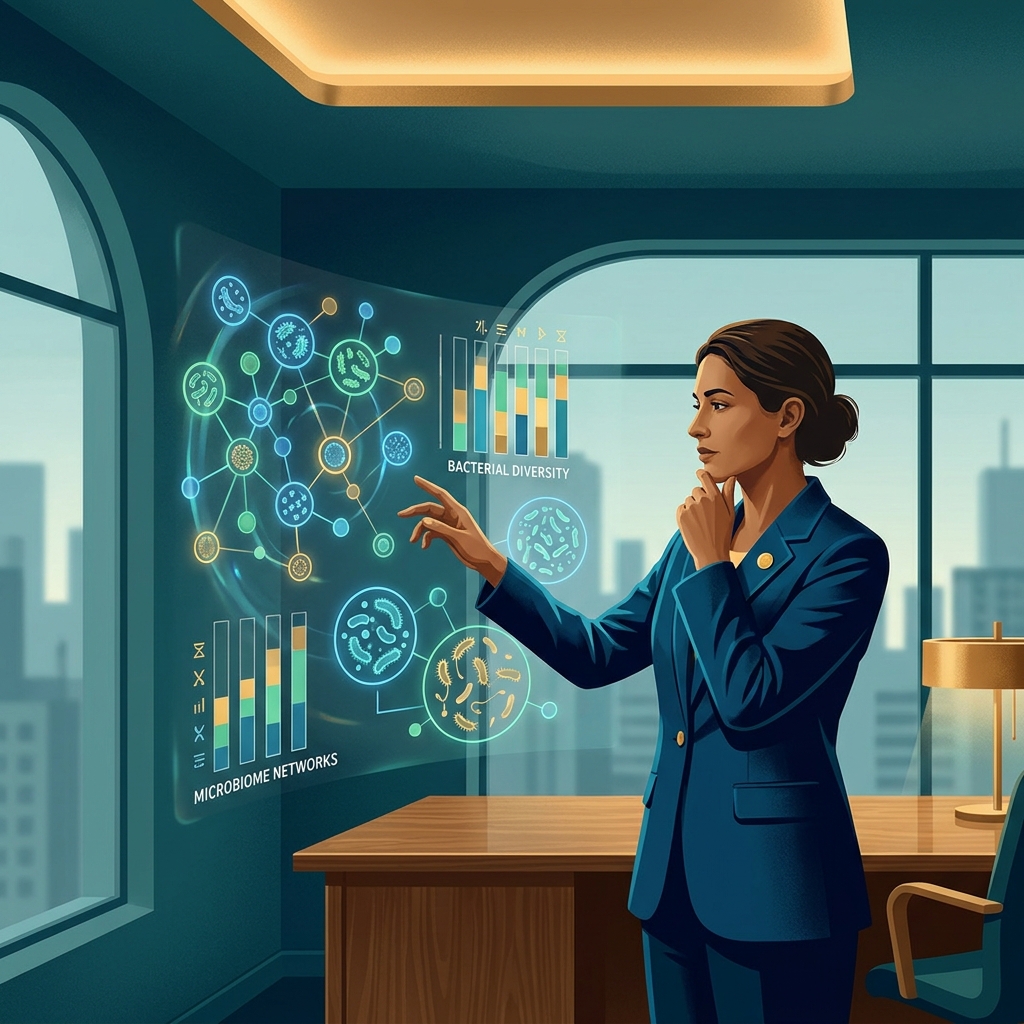
The gut microbiome, comprising over 100 trillion microorganisms, plays a significant role in iodine metabolism, immune modulation, and thyroid hormone regulation according to 2026 PMC research. The relationship is bidirectional: thyroid dysfunction can alter gut microbiota composition, and gut dysbiosis can worsen thyroid autoimmunity.
A 2025 Taylor & Francis study linked alterations in both oral and gut microbiomes to Hashimoto’s thyroiditis and Graves’ disease. Researchers are exploring therapeutic strategies including probiotics, synbiotics, postbiotics, and fecal microbiota transplantation as adjunctive thyroid treatments.
While this research is promising, gut-thyroid interventions should be guided by a qualified practitioner and are not a replacement for conventional thyroid therapy.
Environmental Toxins and Thyroid Disruption: What Endocrinologists Want You to Know
Key endocrine-disrupting chemicals (EDCs) that impair thyroid function include bisphenols (BPA), phthalates, pesticides, and heavy metals. These EDCs interfere with thyroid hormone synthesis, transport, receptor binding, and metabolism at the cellular level.
A 2025 Endocrine Practice year-in-review study linked prenatal bisphenol exposure to disrupted thyroid function in offspring, particularly females. Practical strategies for reducing EDC exposure include choosing BPA-free food storage, eating organic produce when possible, filtering drinking water, and avoiding plastic containers for hot foods.
Thyroid Health in Special Populations: Women, Pregnancy, and Older Adults
Thyroid Health During Pregnancy and the Postpartum Period
The fetus depends entirely on maternal thyroid hormones for brain development during the first 18 to 20 weeks of pregnancy according to the NIDDK. Untreated hypothyroidism during pregnancy can cause miscarriage, preterm birth, preeclampsia, and impaired fetal neurodevelopment including low IQ.
Postpartum thyroiditis is a common but frequently overlooked condition in which the thyroid becomes inflamed after delivery. Both Hashimoto’s thyroiditis and Graves’ disease are associated with adverse obstetric outcomes. Women who are pregnant or trying to conceive should see an endocrinologist for thyroid evaluation, as TSH targets during pregnancy differ from standard ranges. Women navigating these hormonal complexities may also benefit from reading about gynecology and women’s health from specialists featured in Top Doctor Magazine.
Thyroid Disease in Older Adults: When Symptoms Are Mistaken for Aging
Adults over 60 have the highest prevalence of thyroid disease at 15.4%, yet symptoms are frequently attributed to normal aging. Endocrinologist Dr. Aaron Schulman of Weill Cornell Medicine notes that older patients typically demonstrate fewer classic symptoms of both hypothyroidism and hyperthyroidism than younger patients.
According to 2025 Thyroid Journal guidelines, subclinical hyperthyroidism with TSH below 0.1 mIU/L in older adults should be treated due to associated cardiovascular risk and bone density loss. A personalized approach to thyroid management in older adults is essential.
AI and the Future of Thyroid Diagnostics: What’s New in 2026
AI-powered tools are now being used for thyroid nodule assessment, cancer staging, and treatment planning. A University of Hong Kong AI model classifies both cancer stage and risk category with over 90% accuracy, cutting clinician preparation time by approximately 50%.
Frontiers in Endocrinology research documented AI platforms achieving sensitivity and specificity comparable to experienced radiologists. According to ATA Clinical Thyroidology, AI tools are being used as “goalkeepers” to prevent unnecessary thyroid biopsies.
AI is a clinical support tool, not a replacement for physician judgment. Patients should ask their radiologist or endocrinologist whether AI-assisted nodule assessment is available at their facility. To explore how augmented reality and medicine are further transforming clinical practice, Top Doctor Magazine has covered these emerging technologies in depth.
Updated Thyroid Cancer Guidelines in 2025: What Patients Need to Know
The 2025 American Thyroid Association updated guidelines encourage shared decision-making, tailored care, and de-escalation of surveillance for low-risk thyroid cancer patients. Thyroid nodule detection rates in adults range from 19% to 68%, of which only 5% to 15% demonstrate malignant potential.
A detected thyroid nodule is not automatically cause for alarm, but it does require evaluation by a qualified specialist. Patients diagnosed with low-risk thyroid cancer should ask their doctor about active surveillance as an alternative to immediate surgery.
Doctor-Recommended Strategies for Managing Thyroid Health
Medication Best Practices: Getting the Most from Levothyroxine
Levothyroxine should be taken on an empty stomach in the morning, separated from food, coffee, and supplements (especially calcium and iron) to ensure proper absorption. Inconsistent medication timing is a common reason for fluctuating TSH levels and persistent symptoms. Patients should never adjust thyroid medication dosage without physician guidance.
Lifestyle, Nutrition, and Supportive Care for Thyroid Health
Key nutrients essential for thyroid hormone production include iodine, selenium, zinc, and vitamin D. Dietary strategies include adequate iodine from seafood and dairy, selenium from Brazil nuts, zinc from lean meats and legumes, and vitamin D from sunlight and supplementation.
Stress management is also relevant, as chronic adrenal stress can suppress thyroid function. Gut health interventions, including a fiber-rich diet and probiotic foods, may support thyroid function based on emerging research.
When to See a Specialist: A Clear Guide from Endocrinologists
Patients should seek an endocrinologist referral when TSH goals cannot be achieved on current therapy, symptoms persist despite normal lab values, a thyroid nodule is detected, or the patient is pregnant or trying to conceive. Patients with a family history of thyroid disease, autoimmune conditions, or thyroid cancer should undergo proactive screening.
Conclusion: Advocating for Accurate Thyroid Diagnosis in 2026
Thyroid dysfunction is a widespread, frequently misdiagnosed condition whose symptoms overlap significantly with psychiatric disorders. Millions of Americans may be receiving the wrong treatment. Knowing the symptom profiles of both hypothyroidism and hyperthyroidism, understanding the lab reference ranges that matter, and advocating for comprehensive thyroid testing before accepting a psychiatric diagnosis are essential steps toward accurate care.
The landscape of thyroid care in 2026 is rapidly evolving, from AI-powered diagnostics and updated ATA cancer guidelines to gut-thyroid axis research and combination hormone therapy. Patients have more options and more information than ever before. Thyroid health is manageable with the right diagnosis, the right specialist, and an informed, proactive approach to care.
Take the Next Step for Your Thyroid Health
Readers are encouraged to share this article with anyone struggling with unexplained fatigue, mood changes, weight fluctuations, or cognitive symptoms, especially if thyroid testing has not been performed. Top Doctor Magazine’s directory of featured endocrinologists and functional medicine specialists can help patients find a qualified provider in their area.
Subscribing to the Top Doctor Magazine newsletter provides ongoing expert-backed updates on thyroid health, endocrinology, and emerging medical research. Healthcare professionals, including endocrinologists and functional medicine doctors, are invited to connect with Top Doctor Magazine for editorial features, awards nominations, or podcast appearances.
The information in this article is for educational purposes and does not substitute for personalized medical advice. Patients should always consult a qualified healthcare provider for diagnosis and treatment.