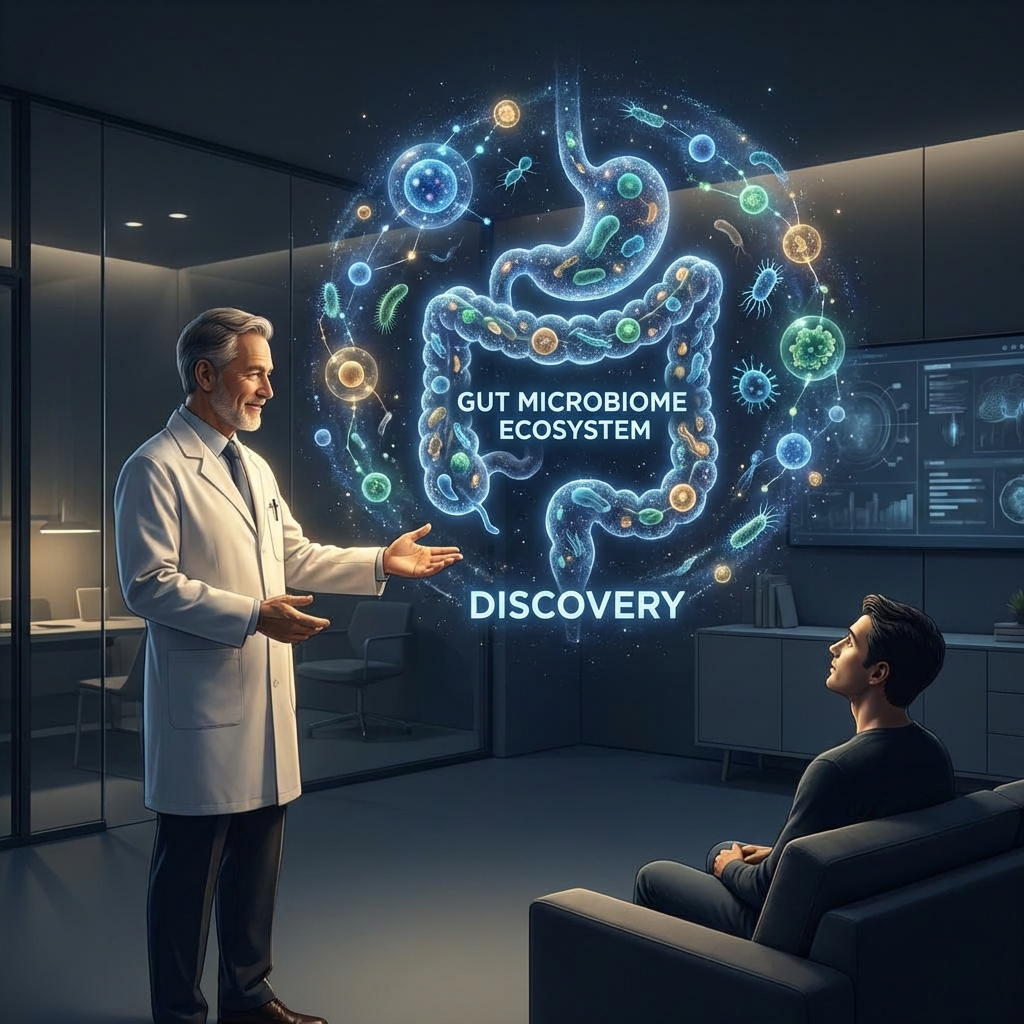
Gut Health Microbiome Doctor Advice: What Gastroenterologists and Functional Medicine Specialists Want You to Know in 2026
Introduction: Why Gut Health Advice Has Never Been More Complex or More Important
The global microbiome market now exceeds $1.2 billion and continues growing at an impressive 31% compound annual growth rate. This explosive expansion reflects a fundamental shift in how both clinicians and consumers view digestive health. Yet this abundance of interest has created a paradox. Patients find themselves bombarded by supplement advertisements, at-home test kit promotions, and conflicting social media advice, leaving many more confused than informed.
This feature takes a different approach. Rather than offering generic wellness tips, it brings together perspectives from gastroenterologists and functional medicine specialists to address three specific, cutting-edge topics shaping gut health conversations in 2026: the newly discovered CAG-170 bacteria group, the emerging GLP-1 and microbiome feedback loop, and the clinical truth about at-home microbiome testing kits.
Surveys indicate that 75% of adults now recognize the importance of gut health. However, clinical guidance often struggles to keep pace with consumer curiosity. What follows represents the kind of cross-disciplinary conversation that typically happens between specialists, now made accessible to the general reader.
What Your Gut Microbiome Actually Does: A Clinical Baseline from the Specialists
The gut microbiome comprises trillions of bacteria, viruses, and fungi that function almost like a separate organ within the body. These microscopic inhabitants perform far more than simple digestive duties.
Approximately 70 to 80% of the immune system resides in the gut, making microbiome health inseparable from systemic immune function. Beyond immunity, the microbiome plays essential roles in brain health through the gut-brain axis, hormonal balance, and metabolic function.
Both gastroenterologists and functional medicine doctors agree that microbial diversity serves as a primary indicator of gut health. Four main threats consistently undermine this diversity: diets low in plant fiber, chronic stress, frequent antibiotic use, and limited food variety.
When diversity declines, dysbiosis develops. This microbial imbalance has been linked to conditions including IBS, IBD, obesity, type 2 diabetes, anxiety, depression, eczema, and cardiovascular disease. This foundational understanding represents common ground between both specialties before their approaches begin to diverge.
Where Gastroenterologists and Functional Medicine Doctors Agree and Where They Diverge
Both specialties increasingly converge on the importance of diet, lifestyle, and microbial balance. Their diagnostic and therapeutic toolkits, however, differ significantly.
Gastroenterologists rely on evidence-based diagnostics such as fecal calprotectin testing, colonoscopy, and stool culture. They work within a disease-first framework using FDA-approved therapeutics. Functional medicine specialists, by contrast, emphasize root-cause analysis and whole-systems thinking. They integrate lifestyle interventions including dietary changes, probiotics, prebiotics, psychobiotics, and stress management alongside Western diagnostics.
The Institute for Functional Medicine’s GI Advanced Practice Module represents the gold standard for functional medicine GI education, emphasizing connections between chronic dysbiosis, inflammation, and systemic disease.
These approaches complement each other. Gastroenterologists excel at identifying and treating pathology. Functional medicine specialists excel at optimizing the terrain before pathology develops. The 2026 Gut Microbiota for Health World Summit, held in Porto, Portugal and endorsed by the American Gastroenterological Association, signals that these two worlds are increasingly collaborating.
Lens 1: The CAG-170 Discovery and What a Newly Identified Bacteria Group Means for Health
A landmark February 2026 University of Cambridge study published in Cell Host & Microbe represents one of the most significant microbiome discoveries in recent years. Researchers analyzed 11,115 global metagenomes across 39 countries, making it one of the largest microbiome studies ever conducted.
The study identified CAG-170, a previously unknown bacteria group consistently found at higher levels in healthy individuals and at lower levels in those with IBD, obesity, and chronic fatigue syndrome. This discovery suggests CAG-170 may serve as a new biomarker of gut health, potentially more meaningful than many currently tracked species.
From a gastroenterology perspective, CAG-170 represents an exciting research development, though clinical applications remain in early stages. Functional medicine specialists view the discovery as validation for their emphasis on dietary diversity and plant-fiber intake as protective strategies.
What the CAG-170 Research Tells Us About Diet and Microbial Diversity
The connection between plant-fiber intake, microbial diversity, and conditions where CAG-170 appears depleted reinforces longstanding dietary recommendations. A 2025 Frontiers in Microbiology review demonstrated that the Western diet elevates TMAO levels by 2.5-fold, correlating with atherosclerotic plaque formation. This stands in stark contrast to outcomes observed with plant-based and Mediterranean diets.
Short-chain fatty acids serve as the metabolic link. When gut bacteria ferment dietary fiber, they produce SCFAs that protect the colon, lower inflammation, and regulate the immune system. Both gastroenterologists and functional medicine doctors recommend dietary patterns rich in diverse plant foods in light of these findings, though they caution that CAG-170 research remains new and clinical applications are still emerging.
Lens 2: GLP-1 Drugs and the Gut Microbiome, a Two-Way Relationship Doctors Are Watching Closely
GLP-1 receptor agonist use has increased 700% in the general population, making the intersection of these medications and gut health one of the most clinically relevant topics in 2026.
The biological connection runs deep. SCFAs produced by gut bacteria stimulate GLP-1 secretion, meaning the microbiome naturally influences the same satiety hormone these drugs mimic. A February 2026 review showed that microbial metabolites regulate GLP-1 secretion while GLP-1 receptor agonists may in turn reshape microbial composition.
Gastroenterologists report observing changes in gut health among patients on GLP-1 medications, though clinical evidence continues developing. Functional medicine specialists note that appetite suppression from these drugs can reduce microbiome diversity if diet quality drops, recommending that patients on GLP-1 medications prioritize fiber-rich, diverse diets rather than simply reducing calories.
The GLP-1 and Microbiome Feedback Loop: What Patients on Weight-Loss Medications Need to Know
The relationship presents dual risks. GLP-1 drugs may improve microbiome diversity in some patients but reduce it in others if appetite suppression leads to lower food volume and variety.
Specialists recommend that patients on GLP-1 medications maintain dietary diversity to protect microbial health. Some functional medicine practitioners suggest that natural microbiome optimization through diet and lifestyle could potentially reduce dependence on GLP-1 medications for certain patients, though this remains an emerging research area.
Patients concerned about gut health while taking GLP-1 medications should discuss their dietary patterns with their prescribing physician and consider working with a registered dietitian who understands microbiome health.
Lens 3: At-Home Microbiome Testing Kits and What Gastroenterologists and Functional Medicine Doctors Really Think
At-home stool testing kits promise personalized microbiome insights and have grown increasingly popular. The clinical reality, however, requires a significant caveat: the exact composition of a “perfect” microbiome remains unknown to modern science.
Board-certified gastroenterologists rarely use commercial at-home kits for routine diagnosis. Clinical-grade stool testing, including fecal calprotectin and PCR-based panels, serves different and more validated purposes. Some functional medicine practitioners use advanced stool testing as part of a broader clinical picture but emphasize that results must be interpreted in context, not isolation.
A 2026 Frontiers in Microbiomes review noted that microbial functional capacity and metabolic activity serve as better markers of gut health than compositional measurements alone. AI-powered platforms and metagenomic sequencing are enabling more clinically meaningful personalized microbiome profiling, though these differ substantially from consumer-grade kits.
When At-Home Testing Helps and When It Can Mislead
At-home testing may prove useful for motivating dietary changes, tracking general trends over time, or identifying the need to seek professional evaluation. However, these tests can also mislead by prompting unnecessary supplement purchases, creating anxiety over normal microbial variation, or substituting for clinical diagnosis of serious GI conditions.
Specialists advise that anyone using an at-home kit should bring results to a qualified clinician rather than acting on them independently.
The Gut-Brain Axis: A Frontier Both Specialties Are Watching in 2026
The gut-brain axis represents one of the most active research areas, with implications for mental health, neurological conditions, and behavior. Gut bacteria produce neurotransmitters including serotonin, directly linking microbial health to mood and mental well-being.
Preclinical research from McMaster University found that intestinal dendritic cells can migrate to the brain and influence behavior, a paradigm-shifting discovery. Psychobiotics, which are probiotics and prebiotics with demonstrated effects on mental health outcomes, represent a growing area of interest in both functional medicine and psychiatry.
Both specialties recognize the importance of stress management as a bidirectional gut health intervention. Chronic stress disrupts the microbiome, and microbiome disruption worsens the stress response. Readers interested in how true health begins with the mind will find this bidirectional relationship particularly compelling.
What Doctors Actually Recommend: Evidence-Based Strategies for a Healthier Gut in 2026
Across both specialties, several recommendations show strong agreement.
Dietary diversity remains paramount. Eating 30 or more different plant foods per week maximizes microbial diversity. Fiber serves as the foundation, with prebiotic fiber from vegetables, legumes, whole grains, and fruits fueling SCFA-producing bacteria.
Fermented foods including yogurt, kefir, kimchi, sauerkraut, and kombucha offer practical tools for increasing microbial diversity. Antibiotic stewardship is essential; both specialties strongly agree that antibiotics should be used only when necessary, with probiotic support considered during and after courses.
Lifestyle factors including sleep quality, regular physical activity, stress reduction, and circadian rhythm alignment all meaningfully influence microbial composition. Intermittent fasting has gained clinical attention as a strategy that may support metabolic health while reshaping microbial rhythms.
Red flags warranting prompt GI evaluation include persistent bloating, blood in stool, unexplained weight loss, and chronic diarrhea or constipation. Maintaining a healthy digestive tract through consistent lifestyle habits remains the most accessible form of prevention.
Probiotics, Postbiotics, and the Next Generation of Gut Therapies
The field has evolved from traditional probiotics to postbiotics and engineered microbes. FDA-approved FMT therapies Rebyota and Vowst represent regulatory milestones, with cure rates for recurrent C. difficile ranging from 67% to 94% in randomized trials.
Bacteriophage therapy has emerged as an exciting frontier. A 2025 clinical trial demonstrated a phage cocktail selectively reducing Fusobacterium nucleatum in colorectal cancer patients, enhancing chemotherapy response.
Postbiotics, including heat-killed microbes and purified microbial components like SCFAs, offer safety advantages over live biotherapeutics and have shown efficacy comparable to live probiotics in inducing anti-inflammatory responses in IBD patients.
Special Populations: Gut Health Advice Tailored to Specific Groups
Microbiome needs and risks vary significantly across life stages and health contexts. Early life factors including birth method, breastfeeding, and early diet set the stage for lifelong microbiome health. Older adults experience natural declines in microbial diversity, making dietary variety, physical activity, and targeted probiotic use especially important.
Patients on GLP-1 medications need specific dietary strategies to protect microbiome diversity during appetite suppression. Those with chronic conditions such as IBD, IBS, type 2 diabetes, and obesity require specialist-guided management of chronic conditions, as self-treatment carries real risks.
The Future of Gut Microbiome Medicine: What Specialists Are Most Excited About
AI-powered microbiome profiling, combining metagenomic sequencing with machine learning, is enabling truly personalized dietary and therapeutic recommendations at a clinical level. The prospect of using microbiome profiling to predict drug response, including responses to GLP-1 medications, chemotherapy, and immunotherapy, represents an exciting frontier.
The global microbiome market is projected to reach $7 to $18 billion by 2031 to 2035, signaling massive investment in research and therapeutics. The most important thing patients can do right now, while the science continues evolving, is focus on dietary diversity, stress management, and working with qualified clinicians.
Conclusion: The Most Important Gut Health Advice Doctors Want Patients to Take Away in 2026
Three key insights emerge from this exploration. CAG-170 reinforces the importance of microbial diversity through dietary variety. The GLP-1 and microbiome loop highlights the need for individualized, clinician-guided care. At-home testing kits, while useful for awareness, cannot substitute for clinical evaluation.
Despite different frameworks, gastroenterologists and functional medicine specialists converge on the same foundational advice: eat diversely, manage stress, use antibiotics judiciously, and work with a qualified clinician.
Gut health is not passive. The choices made daily, from food selection to sleep habits to stress management, directly shape the microbial community influencing nearly every system in the body. Readers seeking comprehensive gut health guidance should consider consulting both a board-certified gastroenterologist and, where appropriate, a qualified functional medicine practitioner.
Take the Next Step Toward Better Gut Health
Top Doctor Magazine offers an extensive library of specialist interviews and expert health content for readers seeking to deepen their understanding of gut health and other medical topics. The free biweekly Top Doctor Magazine newsletter provides regular updates on the latest medical research and physician perspectives.
Readers who have experienced exceptional care from a gastroenterologist or functional medicine specialist are encouraged to nominate that physician through the Top Doctor Magazine Awards program. Sharing credible, doctor-backed guidance with friends and family members navigating gut health challenges represents another meaningful way to support their wellness journey.
The Top Doctor Magazine Podcast features additional in-depth conversations with medical professionals across specialties, offering valuable insights for anyone committed to making well-informed healthcare decisions.