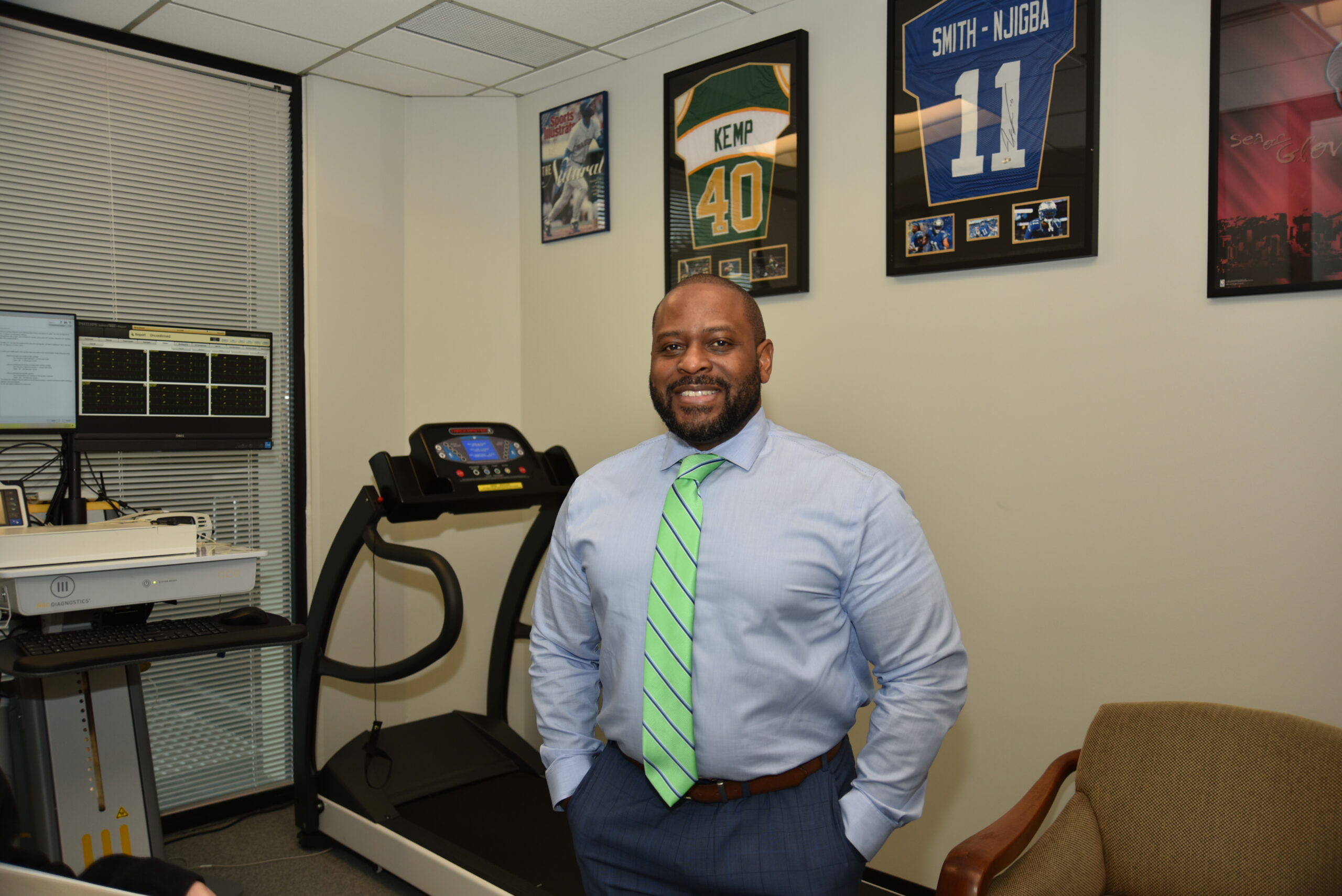
For David Earley, a respiratory care practitioner with nearly a quarter-century of experience, the view from the hospital bedside eventually became a call to action. After 24 years of navigating every ICU modality, from pediatric surgery to geriatric emergency care, Earley realized that the most critical interventions often happen far too late.
Now, as the force behind Belmar Cardiopulmonary Diagnostics (BCDC), Earley is shifting the focus from reactive crisis management to proactive wellness and longevity. By stripping away the sterile, intimidating atmosphere of traditional hospital testing and replacing it with a holistic, patient-first model, he is helping patients catch warning signs before they become life-altering diagnoses.

A Journey Forged in the “Ground Zero” of Crisis
The COVID-19 pandemic irrevocably shaped Earley’s perspective. Based in Seattle, which served as the initial “ground zero” for the American outbreak, he witnessed the sheer magnitude of loss firsthand, later traveling to New York during its primary surge.
“I don’t think there has been a strong enough spotlight placed on what healthcare providers went through during that period of time,” Earley said. “We were poorly equipped to deal with the flow of patients, and we felt helpless. When you’re in healthcare for the love of health, the feeling of helplessness in watching someone leave is crushing.”
The experience sparked a realization: the existing hospital-based model was struggling to provide the early access needed to prevent such tragedies. Patients were often healthy on the surface—runners and active gym-goers—yet their bodies were harboring vulnerabilities that went undetected until a crisis hit.
“I felt like pulmonary diagnostics allowed us to look at the ‘warranty fire’ a little bit sooner,” Earley explained. “In our 20s, 30s, and 40s, we feel a little air of invincibility. There are slight warning signs our bodies are giving us, and we’re not paying attention until it’s too late.”
Breaking the Six-Month Barrier
The birth of Belmar Cardiopulmonary Diagnostics was a direct response to that “burden of access.” In traditional hospital settings, a patient experiencing shortness of breath might wait six to seven months just for a diagnostic test.
“That is six months of someone feeling invisible as they’re going through a crisis,” Earley said. “They need their medication updated, their blood pressure is high, and they are so short of breath they can’t even walk to their mailbox. Then they find out they’re in the wrong department and have to start over, all because no one is communicating.”
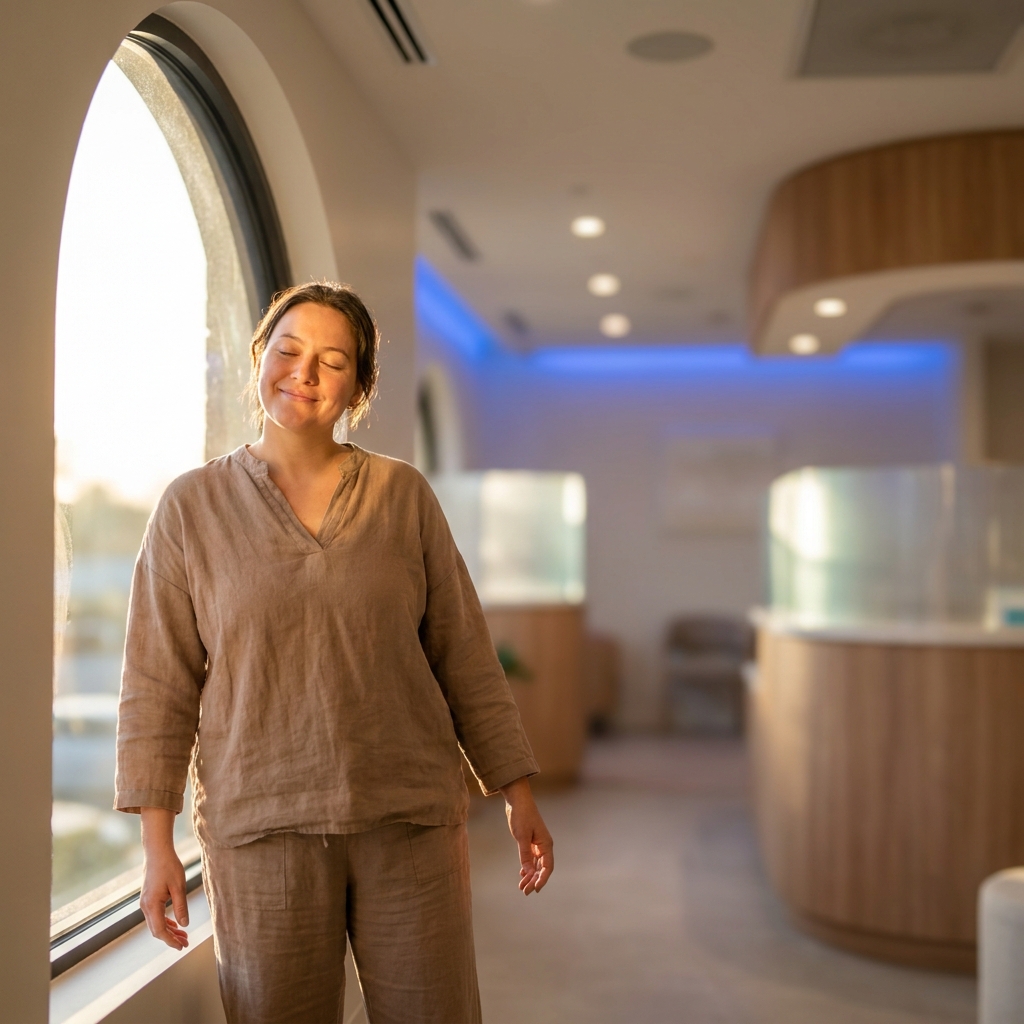
BCDC operates as an independent diagnostic center, removing the hospital bureaucracy to provide rapid testing. But Earley didn’t just change the speed; he changed the environment. From state-of-the-art testing equipment to the furniture and plants to the murals on the walls, every detail is designed to alleviate the anxiety of medical testing.
A Holistic View of the “Human Machine”
At Belmar, the operating philosophy is rooted in the idea that the human body is not a collection of isolated silos, but rather, a single, complex machine with deeply interconnected departments. While the modern healthcare system often pushes patients toward specialists who focus exclusively on a single organ or “department,” Earley and his medical director, Dr. Jeffrey Cary, advocate a return to holistic observation. They recognize that a symptom in the lungs may actually be a distress signal from the heart, or that metabolic inefficiency could be the silent driver behind chronic fatigue.
“Improving breathing alone doesn’t necessarily resolve problems in the lungs, and correcting blood pressure issues doesn’t automatically address underlying heart conditions,” Earley noted. “Heart and lung conditions often mirror one another, but the key is understanding how all systems interact. We need to look at the cardiac, pulmonary, urinary, endocrine, and digestive systems together to understand what’s happening in the body as a whole.”
This perspective is vital because, in many clinical settings, specialists rarely communicate, leaving the patient to navigate a fragmented map of their own health. At Belmar, the goal is to bridge those gaps by analyzing how dysfunction in one system creates a ripple effect throughout the entire body.
“To really get the full picture, we combine traditional Western medicine with some very advanced diagnostic technology,” Earley explained. “It often starts with gold-standard pulmonary function testing so we can understand lung performance, along with an EKG to make sure there are no underlying cardiac arrhythmias. But we don’t stop there—we expand into metabolic and structural analysis.”
They use VO₂ max testing and measure resting energy expenditure so they can see exactly how the body is using oxygen and fuel, both during activity and at rest. Then they add DEXA scans, which give precise data on body composition and bone density. “That’s important because we’re not just looking at someone’s health today—we’re tracking meaningful trends over years, sometimes even over a decade,” Earley said.
From there, they layer in biomarker analysis through blood work, hormone optimization when appropriate, and metabolic tools such as GLP-1 therapies, while also implementing ultrasound imaging to visualize what’s happening inside the body in real time. All of that information feeds into an AI-driven proprietary model that helps interpret these complex data points.
Finally, their clinical team—led by their Medical Director, Dr. Jeffrey Cary—reviews and synthesizes the data to finalize the patient’s diagnostic picture.
“When you combine all of those layers, you end up with something like a high-definition roadmap of a person’s longevity,” Earley concluded. “The goal is to make sure no ‘department’ of the body is being looked at in isolation.”
The Future: AI with a Human Touch
As technology continues to evolve, Earley believes artificial intelligence will play an important role in refining diagnostic criteria. However, he remains firm that technology should never replace the human element of medicine.
“I caution people not to take the human element out of healthcare,” he said. “Human eyes on humans is still, to me, the best form of diagnostic medicine. Being able to touch, listen, talk with a patient, and observe the subtle nuances of what they’re experiencing—AI just can’t replicate that.”
Earley sees AI as a powerful tool for education and for expanding the depth of health data clinicians can work with, rather than a replacement for medical expertise. His goal is to build such a strong diagnostic foundation at Belmar that, as new technologies emerge, they can be integrated thoughtfully without ever losing the practice’s patient-centered focus.

Redefining the Practitioner: A New Standard for Aging with Grace
For those looking to reclaim control over their physical destiny, Earley’s advice begins with a fundamental shift in the patient-provider relationship. He stressed that everything starts with a quality general practitioner, someone willing to move beyond the checklist and truly hear the patient’s needs and goals. In a world of automated “walk-in” culture, Earley advocates a return to intentionality, where patients are encouraged to ask for second opinions, review their medical records, and demand transparency in their care.
“Being in charge of your health is being in charge of your life,” Earley stated. “Quality health is a long road of making correct decisions. Longevity isn’t about living a super long time; it’s about living a long and healthy life. We’re all going to age; I want us all to age with grace and dignity.”
This “grace” isn’t a passive concept; it is the ability for the body to operate on its own terms for as long as possible, to walk up a flight of stairs or take a brisk walk around the block without the crushing weight of breathlessness or pain.
As one of the first respiratory care practitioners in the nation to step outside the hospital walls to build an independent diagnostic facility, Earley views his work at Belmar as more than just a business; it is a proof of concept for his entire profession. He is acutely aware of the “vent-jockey” stereotype that often plagues respiratory therapy, and he is determined to shatter it. By merging clinical expertise with entrepreneurial courage, he is proving that practitioners are capable of leading the charge in preventative medicine.
“We are not just people who sit in the hospital and turn knobs on ventilators or give breathing treatments to people who can’t breathe,” Earley asserted. “We are practitioners. We have a long list of knowledge and credentials that allow us to do so much more. I want to push that as far as I can, and I hope other respiratory practitioners will step up and join the ride with me.”
Ultimately, Belmar Cardiopulmonary Diagnostics stands as a beacon for what healthcare can look like when it prioritizes the human element over the system’s bureaucracy. For Earley, the goal is simple: to provide the data, the expertise, and the environment necessary for every patient to write a longer, healthier final chapter.
To learn more, visit the clinic’s website at bcdctesting.com and book your consultation or appointment today.