
Joint pain and stiffness affect millions of people worldwide, often interfering with daily activities, physical performance, and long-term mobility. While medications and physical therapy remain important treatments, research increasingly shows that diet plays a meaningful role in managing inflammation in the body.
An anti-inflammatory eating pattern focuses on whole, nutrient-dense foods that help reduce chronic inflammation- a biological process linked to joint deterioration and pain in conditions such as osteoarthritis and rheumatoid arthritis. By prioritizing certain foods and limiting others, individuals may support joint health, improve mobility, and potentially reduce discomfort.

Understanding Inflammation and Joint Health
Inflammation is the body’s natural response to injury or infection. In the short term, it helps the body heal. However, chronic inflammation can damage tissues, including cartilage and joint structures. According to the Arthritis Foundation, persistent inflammation contributes to the progression of many joint disorders. When inflammatory chemicals remain elevated, they can accelerate cartilage breakdown and worsen joint pain.
Dietary choices influence inflammation levels in the body. Certain foods promote inflammatory responses, while others contain compounds that help regulate the immune system and protect joint tissues.
The Principles of an Anti-Inflammatory Diet
An anti-inflammatory diet emphasizes whole foods rich in antioxidants, fiber, and healthy fats. These nutrients help combat oxidative stress- a process that damages cells and contributes to inflammation.
Key characteristics of an anti-inflammatory eating pattern include emphasizing fruits and vegetables, choosing whole grains over refined carbohydrates, incorporating healthy fats, especially omega-3 fatty acids, and limiting processed foods, added sugars, and saturated fats. This approach also prioritizes lean protein sources such as poultry, fish, legumes, and plant-based proteins, which provide essential nutrients without contributing significantly to inflammatory processes. Together, these dietary choices help support overall health while promoting lower levels of chronic inflammation in the body. Many experts note that the Mediterranean diet closely aligns with these principles and is frequently recommended for individuals with inflammatory conditions.

Foods That Support Joint Health
Fatty Fish and Omega-3 Fatty Acids
Fatty fish such as salmon, mackerel, and sardines are rich in omega-3 fatty acids, which are known for their anti-inflammatory properties. Omega-3 fats help reduce the production of inflammatory molecules called cytokines and enzymes that contribute to cartilage breakdown. Studies have found that people with rheumatoid arthritis who regularly consume omega-3 fatty acids may experience reduced joint tenderness and morning stiffness.
Health experts recommend eating fatty fish at least two times per week.
Colorful Fruits and Vegetables
Fruits and vegetables provide antioxidants that help neutralize free radicals, unstable molecules that damage cells and increase inflammation.
Berries, cherries, leafy greens, broccoli, and bell peppers are especially beneficial due to their high levels of vitamins, polyphenols, and flavonoids. Tart cherries, in particular, have been studied for their ability to reduce inflammation markers associated with joint pain. Aim to include a wide variety of colorful produce daily to maximize protective nutrients.
Whole Grains
Whole grains such as oats, brown rice, and quinoa contain fiber that helps regulate inflammatory responses in the body. Fiber supports healthy gut bacteria, which play a role in immune function and the control of inflammation. Refined grains, by contrast, can increase blood sugar spikes and may contribute to inflammatory processes.
Replacing refined carbohydrates with whole grains can support both joint health and overall metabolic health.
Healthy Fats
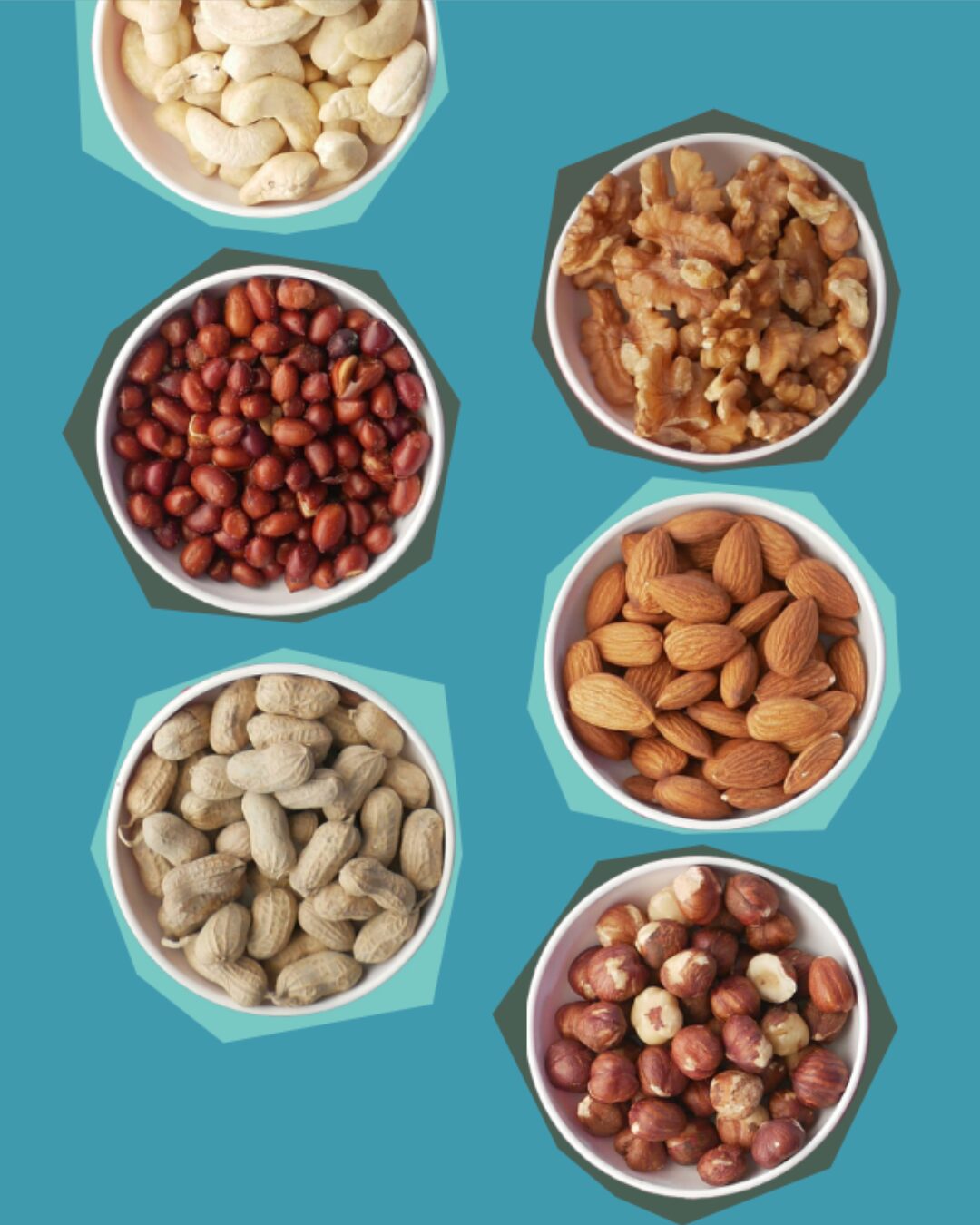
Healthy fats, particularly those found in olive oil, nuts, and seeds, provide anti-inflammatory compounds. Extra-virgin olive oil contains oleocanthal, a compound that has been shown to have effects similar to mild anti-inflammatory medications. Walnuts, almonds, and chia seeds also contribute beneficial fats that support immune regulation. Including moderate amounts of these fats in daily meals can help maintain balanced inflammation levels.
Lean Protein Sources
Protein supports muscle strength, which helps stabilize joints and reduce stress on joint structures. Lean protein sources such as poultry, beans, lentils, and tofu provide necessary amino acids without the inflammatory effects sometimes associated with highly processed meats. Plant-based proteins also contain fiber and antioxidants that contribute additional anti-inflammatory benefits.

Foods That May Worsen Inflammation
Certain dietary patterns are associated with higher levels of chronic inflammation. Foods that may exacerbate inflammatory responses include:
- Highly processed foods
- Refined sugars and sweetened beverages
- Excessive red or processed meats
- Refined carbohydrates such as white bread and pastries
- Foods high in trans fats or industrial seed oils
Reducing consumption of these foods may help lower systemic inflammation and improve joint comfort over time.
The Role of Weight Management in Joint Health
Body weight significantly affects joint health, particularly in weight-bearing joints such as the knees and hips. Research shows that even modest weight loss can reduce pressure on joints and lower inflammatory markers in the body. For example, losing one pound of body weight can reduce up to four pounds of pressure on the knee joint during movement.
Combining anti-inflammatory eating with regular physical activity can therefore provide dual benefits for joint protection and mobility.

Practical Strategies for Anti-Inflammatory Eating
Adopting an anti-inflammatory diet does not require drastic changes. Small, consistent adjustments can produce meaningful health benefits.
Practical strategies for adopting an anti-inflammatory eating pattern can be incorporated gradually into everyday meals. For example, adding a serving of vegetables to each meal helps increase the intake of vitamins, minerals, and antioxidants that support the body’s natural defense against inflammation. Replacing refined grains with whole grains such as brown rice, oats, or whole-wheat products can also help stabilize blood sugar levels and provide beneficial fiber.
Simple cooking substitutions can make a meaningful difference as well. Using olive oil instead of butter or margarine introduces healthy fats that may help reduce inflammatory responses. Additionally, incorporating fatty fish into meals several times per week provides omega-3 fatty acids that support joint health. Choosing whole foods such as nuts or fresh fruit instead of processed snacks is another practical step that can help limit added sugars and unhealthy fats while providing nutrient-dense alternatives. Over time, these habits can help shift overall dietary patterns toward foods that support joint health.
The Bottom Line
Multiple factors, including genetics, physical activity, and age, influence joint health. However, diet remains one of the most modifiable contributors to inflammation in the body. An anti-inflammatory eating pattern centered on whole foods, healthy fats, and plant-based nutrients may help reduce inflammation, support cartilage health, and improve long-term joint function.
While diet alone cannot cure joint disorders, it can be a powerful component of a comprehensive approach to maintaining mobility and quality of life.
References:
Arthritis Foundation. (2023). Foods that fight inflammation. Retrieved from https://www.arthritis.org
Calder, P. C. (2017). Omega-3 fatty acids and inflammatory processes. Nutrients, 9(6), 1–15.
Harvard T.H. Chan School of Public Health. (2022). The anti-inflammatory diet. Retrieved from https://www.hsph.harvard.edu
National Institutes of Health. (2023). Diet and inflammation. Retrieved from https://www.nih.gov
Scanzello, C. R., & Goldring, S. R. (2012). The role of synovitis in osteoarthritis pathogenesis. Bone, 51(2), 249–257.