If you’re interested in health care, your first thought might be nursing, pre-med, or public health. Psychology often gets pushed to the side, even though it shapes how patients describe symptoms, how families make decisions, and how clinicians build trust. An applied psychology background gives you a practical way to read human behavior inside real medical settings. That matters more now, as care teams pay closer attention to communication, burnout, adherence, and patient experience.
Patient Communication Gets More Precise
A lot of health care problems start with communication that sounds clear to the clinician but lands badly with the patient. Medical jargon, rushed explanations, and vague discharge instructions create friction fast. Applied psychology helps you understand not just what was said, but how people interpret it when they’re anxious, embarrassed, or overwhelmed.
You start paying attention to framing effects, cognitive load, and emotional cues. A patient hearing “you need major lifestyle changes” may shut down before the conversation even starts. A better approach often breaks the task into smaller, behaviorally realistic steps.
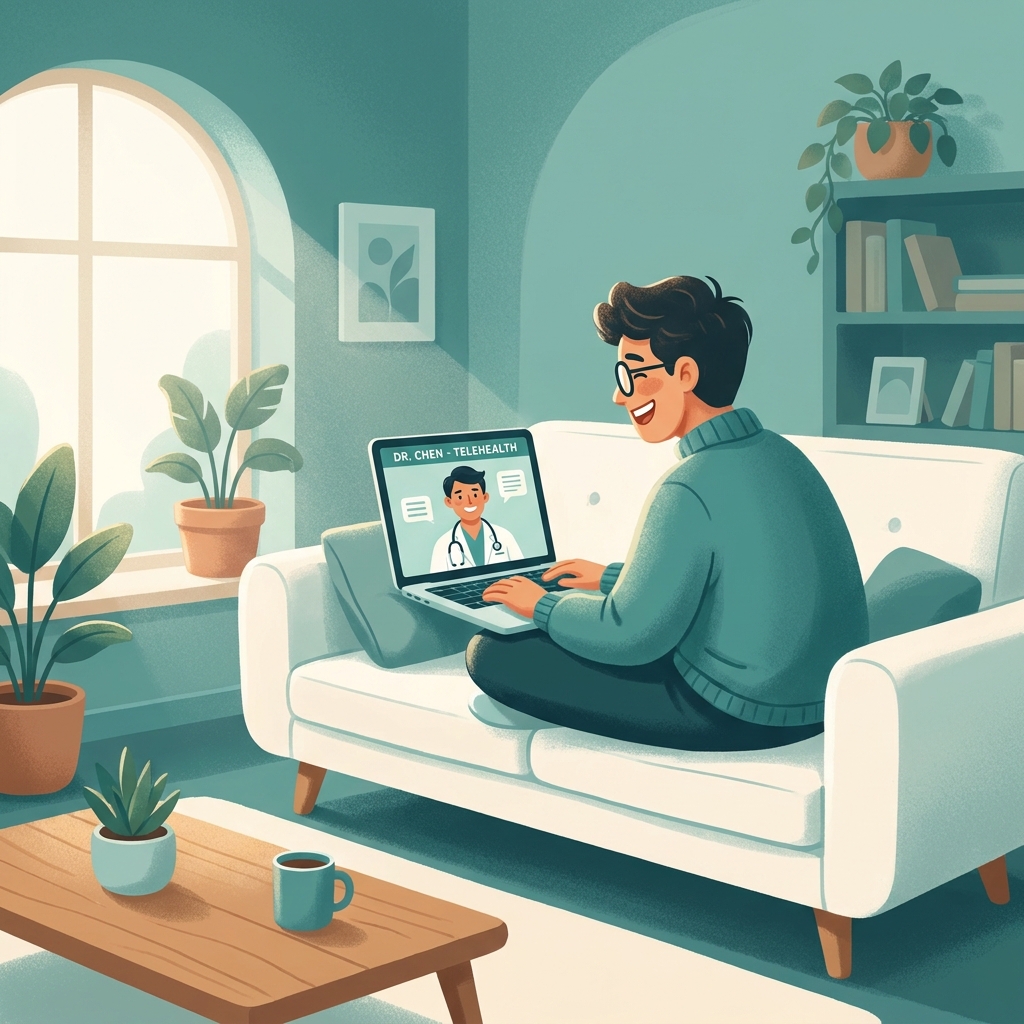
That practical angle is part of what draws students to an applied psychology degree online, especially if they want to study behavior in settings where communication has direct consequences. In health care, stronger messaging can improve adherence, reduce readmissions, and lower avoidable confusion.
You Notice That Health Care Runs on Human Behavior
Hospitals and clinics depend on protocols, electronic records, and clinical expertise. Even so, people don’t move through care like machines. Patients forget instructions, delay treatment, avoid screenings, or downplay pain. Clinicians make judgment calls under stress. Families bring fear, conflict, and cultural expectations into exam rooms.
Once you start looking at health care through applied psychology, those moments stop seeming random. You begin to see patterns in motivation, decision-making, and emotional regulation. A teen with asthma who skips medication may not be “noncompliant” in the simplistic sense. You might ask whether stigma, routine disruption, or low perceived risk is driving that behavior.
That shift matters in medicine because outcomes often hinge on whether somebody follows through after the appointment ends.
You Understand Why Stress Changes Everything
Stress isn’t background noise in health care. It changes memory, attention, sleep, pain perception, and decision-making. Patients under stress may miss critical instructions even when they seem attentive. Clinicians under chronic strain may become less responsive, more error-prone, or emotionally detached.
An applied psychology perspective helps you see stress as an operational issue, not just a personal one. In a busy emergency department, for example, stress can affect triage interactions, conflict escalation, and handoff quality. In primary care, it can shape whether a patient admits they can’t afford treatment or didn’t understand the care plan.
This also connects to clinician burnout, a major concern across the industry. Burnout isn’t only about long hours. It involves emotional exhaustion, depersonalization, and reduced efficacy. Understanding those mechanisms gives you a sharper view of why retention, morale, and patient satisfaction often move together.
Behavioral Health Isn’t Separate From Physical Health
One of the biggest mistakes in public thinking is treating mental and physical health as two disconnected tracks. In actual care settings, they overlap constantly. Anxiety can intensify gastrointestinal symptoms. Depression can reduce medication adherence. Chronic pain can affect mood, sleep, and family dynamics all at once.
Applied psychology helps you work with that overlap in a grounded way. You become more alert to biopsychosocial factors, not just isolated diagnoses. A patient with diabetes, for instance, may understand carb counting perfectly well and still struggle because grief, work instability, or trauma is disrupting daily routines.
That broader lens is useful far beyond therapy roles. Care coordinators, case managers, health educators, rehabilitation specialists, and patient advocates all benefit when they can interpret behavior within context. In modern health systems, integrated care models increasingly depend on people who can connect behavioral insight with clinical reality.
You Start Seeing Systems, Not Just Individuals
Health care conversations often focus on personal responsibility, but systems shape behavior in powerful ways. Appointment scheduling, insurance complexity, transportation barriers, waiting times, and app design all influence whether people follow through. Applied psychology gives you tools to examine those friction points without blaming the person caught inside them.
That can change how you think about patient drop-off. If people repeatedly miss follow-ups, the issue may involve choice architecture more than motivation alone. Are reminders timed well? Are forms too dense? Does the office environment raise anxiety? Are instructions written at a realistic reading level?
This systems view fits current industry priorities such as patient engagement, health equity, and quality improvement. It also matches the way many organizations now evaluate care: not only by treatment delivered, but by access, experience, and measurable behavior patterns across populations.
It Opens Career Paths You May Not Have Considered
When people hear psychology, they often picture private practice first. Applied psychology pushes you toward broader possibilities, which is especially relevant in health care. You could move into patient experience, behavioral research, community health programming, substance use support, rehabilitation services, or organizational roles inside hospitals and health systems.
Some positions sit close to direct care, while others focus on program design, workforce well-being, or health communication. If you’re interested in preventative care, your behavioral knowledge can help shape interventions that people will actually use. If you care about administration, it can sharpen how you think about leadership, team dynamics, and service delivery.
For students who want flexibility, online education has widened access to this path. The key question isn’t whether psychology is “useful” in health care. The better question is where human behavior doesn’t matter. That list is very short.
What to Pay Attention to If You Want to Use This Path Well
If you’re considering this direction, keep your focus on application rather than abstract theory alone. Courses in developmental psychology, social psychology, research methods, and behavioral analysis become much more valuable when you connect them to real care environments.
Pay attention to how health systems talk about patient engagement, trauma-informed care, motivational interviewing, and social determinants of health. Those aren’t trendy phrases to memorize. They’re signs of where the field is moving. Volunteer work, clinic-facing internships, and public health projects can also help you test whether you prefer one-on-one interaction, systems work, or data-informed program roles.
Health care keeps investing in technology, but human behavior still determines whether tools are trusted, used, or ignored. An applied psychology background prepares you to work in that gap. You don’t need to be the loudest voice in the room to make an impact. You need to understand how people actually function when health is on the line.